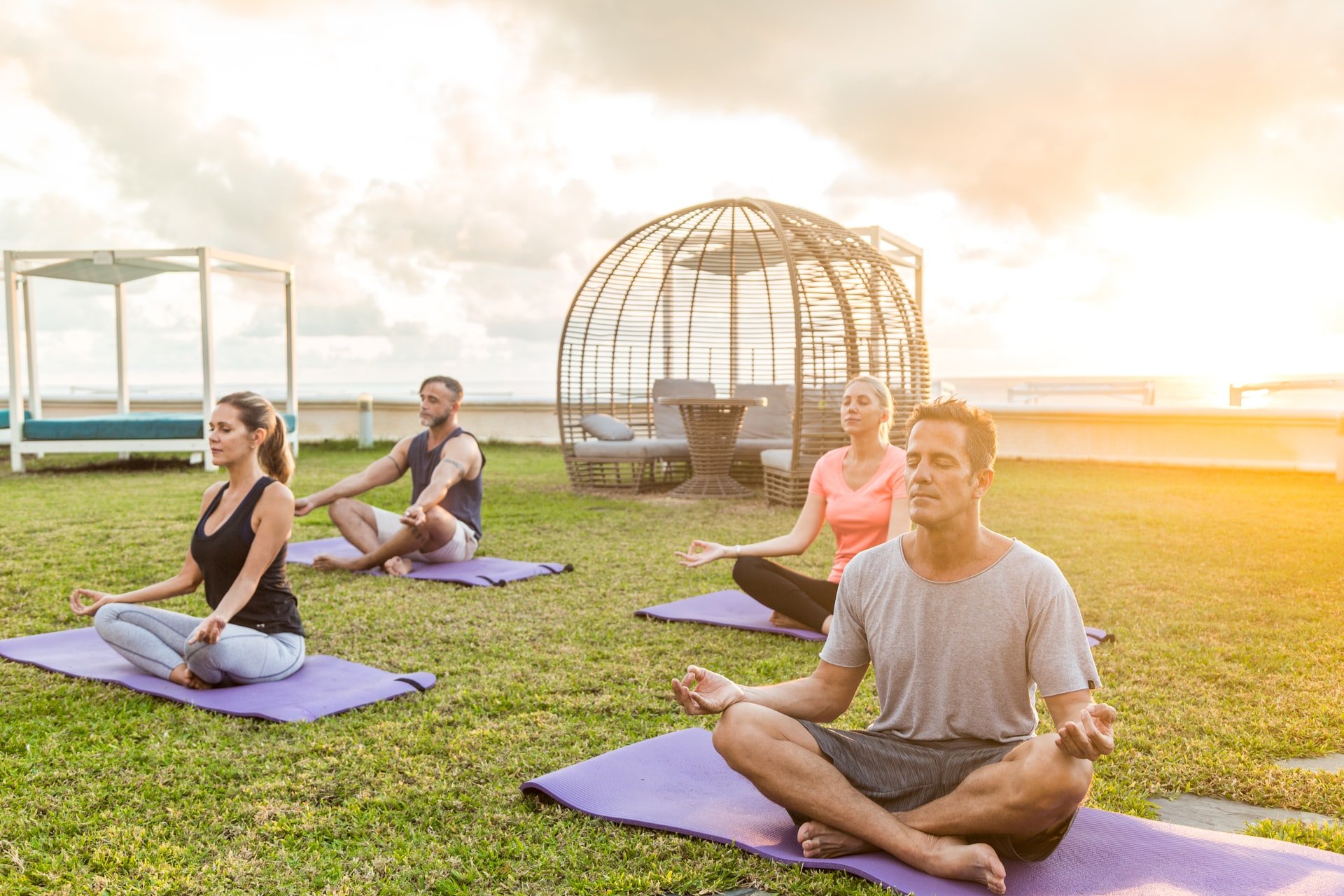
Mindful Approaches to Calm the Mind
Our lives are filled with noise and endless streams of information, which can lead to an overwhelmed mind. Achieving mental clarity and emotional balance is crucial in today’s world. Embracing mindful practices as part of a daily routine can significantly contribute to one's overall sense of peace.
The Science of Mindfulness and Meditation
Mindfulness is widely acknowledged as a powerful tool for soothing the mind and elevating the spirit. It involves focusing on the present moment and embracing it without judgment. Meditation, a common practice within mindfulness, allows individuals to engage in deep inward reflection. Techniques such as deep breathing and gratitude journaling, highlighted for their stress-relieving and clarity-enhancing benefits, are practical recommendations from wellness experts. The simple act of pausing and taking a few deep breaths can create a shift from chaos to calm, offering enhanced mental clarity and fostering emotional resilience.
Learning how to integrate these practices doesn't require drastic shifts. Mindfulness can be practiced during any moment of the day. Whether it's during a quiet morning reflection, a pause in nature, or a moment of gratitude expressed in writing, each acts as a simple yet profound ritual promoting well-being. The NHS Confederation underscores the benefits, noting that activities like daily mindfulness meditation and gratitude journaling support reduced stress and improved psychological flexibility, which have lasting effects on personal and professional interactions.
Transforming Mindsets with Stress Reduction Techniques
Shifting one's approach to stress is another cornerstone of emotional health. While challenges are inevitable, the way we respond can have a dramatic impact on our mental well-being. By focusing on stress-reduction strategies, individuals empower themselves to navigate life’s complexities with greater ease.
Incorporating daily habits such as short breaks for mindfulness meditation can greatly alleviate the burdens of a hectic schedule. Emphasizing gratitude changes our perspective, building emotional resilience. Simple tools like keeping a gratitude journal encourage a focus on positive experiences and interactions. Reflecting on the small joys of each day helps rewire the mind to notice and appreciate life’s positives, combating negativity and fostering a healthier mindset.
Movement as a Way of Life
Integrating regular physical activity into daily life doesn’t just enhance physical health—it revitalizes mental and emotional wellness. Rather than viewing exercise as a chore, embracing movement as a joyful expression helps unlock sustained energy and improves mood.
Reimagining Daily Movement
Exercise should be seen not merely as an isolated activity but as a vital part of everyday life. The art of incorporating movement into daily routines can transform the way we view physical activity. Small actions such as walking instead of driving, taking stairs instead of elevators, and even active commuting can dramatically increase one’s energy levels and cardiovascular health.
According to recent guidelines focusing on movement, achieving 30 minutes of moderate activity daily through routines like cycling or walking not only enhances physical health but also nutrition principles. Stretching breaks and choosing active modes of commuting inject lively energy into otherwise sedentary schedules, optimizing both physical stamina and mental clarity.
Designing an Active Lifestyle
An active lifestyle involves more than structured exercise sessions. It is about creating a flow of movement throughout the day. With intentional choices that infuse physical activity into daily fabric, long periods of stillness transform into stimulating intervals that sustain long-term health.
Engaging in a daily mixture of activities allows the body to thrive physically and mentally. By making movement an enjoyable habit rather than an obligation, the plan becomes sustainable. These accessible adjustments contribute to a more energetic, zestful life, reducing the health risks associated with inactivity and increased screen time.
Building and Sustaining Social Connections
Connections with others form the bedrock of a fulfilling life. Strong relationships and community ties nourish the spirit, enliven the soul, and provide a sanctuary of support during challenging times.
Fostering Meaningful Interactions
Cultivating deep, genuine relationships is about investing time and care. The foundation of a true connection involves mutual respect, clear communication, and shared joy. In both personal and professional realms, nurturing relationships requires recognizing and valuing diverse viewpoints.
One's immediate social circle offers daily opportunities for meaningful engagement. By hosting regular dinners, planning recreational activities, or brainstorming creative group projects, individuals can strengthen bonds and generate a sense of belonging. These interactions are fundamental, not just for companionship, but also for encouraging shared growth, providing emotional support, and sustaining a positive outlook.
The Impact of Community on Well-being
Beyond personal relationships, being part of a vibrant community can significantly enhance one's sense of security and purpose. Joining clubs or participating in local events fosters engagement and connection. This broader network offers a supportive foundation where individuals contribute to collective well-being while growing individually.
The social fabric of a community, woven through cooperation and shared experiences, creates an environment where personal wellness is both a personal and a communal responsibility. Active participation in such networks not only enhances life satisfaction but also anchors individuals in a supportive web of shared endeavors and community goals.
Revitalizing Nutrition and Healthy Eating
Nutrition plays a fundamental role in maintaining balance and supporting all aspects of health. A thoughtful approach to eating transforms sustenance into a form of self-care that enhances vitality and mood.
Beyond the Plate: A Philosophy of Nourishment
Rather than fixating on numbers and restrictions, focusing on nourishment nurtures the body and mind holistically. Embracing a philosophy of eating that prioritizes whole, natural foods invigorates the body, supports cognitive functions, and fosters lasting energy.
Choosing whole foods offers the body essential vitamins, minerals, and antioxidants necessary for optimal functioning. By selecting vibrant fruits and vegetables, lean proteins, and healthy fats, individuals imbibe energy into their daily routines. This transformation from diet to lifestyle echoes a commitment to wellbeing, where food is celebrated as both pleasure and a potent source of sustainable health.
Personalizing Nutritional Needs
Understanding personal nutritional requirements is key to achieving balance and fostering long-term well-being. Aligning meals with individual metabolism, activity levels, and health goals allows for a diet plan tailored to specific needs.
By listening to body signals and adjusting food intake accordingly, one can develop a positive, sustainable relationship with food. This personalized approach remains flexible, adapting to physical demands or changes in lifestyle. Recognizing how different foods influence mood and performance helps shape informed dietary choices that contribute to an energetic lifestyle.
In weaving together these elements—calmness, movement, connection, and nutrition—we find a path to vibrant living. Each choice, whether a small step or a significant change, contributes to a holistic, enriched existence where mind, body, and spirit flourish in a harmonious symphony.
Q&A
-
What are some simple tips for achieving balanced eating?
- Balanced eating involves consuming a variety of foods in the right proportions. Simple tips include filling half your plate with fruits and vegetables, choosing whole grains over refined ones, including lean proteins like fish and beans, and drinking plenty of water. Moderation is key, so enjoy treats in small amounts.
-
How can daily movement improve overall health?
- Daily movement boosts cardiovascular health, strengthens muscles and bones, and enhances mental well-being. It doesn't require intense workouts; activities like walking, cycling, or even gardening can provide significant health benefits. Consistency is more important than intensity, so aim for at least 30 minutes of physical activity most days.
-
Why is stress-free living important, and how can it be achieved?
- Stress-free living is crucial for maintaining mental and physical health. Chronic stress can lead to issues such as anxiety, depression, and heart disease. To achieve a stress-free lifestyle, practice mindfulness, engage in regular physical activity, ensure adequate sleep, and prioritize tasks to avoid overwhelming yourself.
-
How does sun exposure contribute to a healthy lifestyle?
- Sun exposure is essential for the production of Vitamin D, which supports bone health, immune function, and mood regulation. Aim for moderate sun exposure, around 10-30 minutes several times a week, depending on skin type and location. Always protect your skin with sunscreen to prevent damage and reduce the risk of skin cancer.
-
What role does social interaction play in maintaining a healthy mindset?
- Social interaction is vital for emotional health and can reduce feelings of loneliness and depression. Building strong relationships provides support during challenging times and enhances overall life satisfaction. Engage in social activities, join clubs or groups, and maintain regular contact with friends and family to foster a healthy mindset.