Rethinking Opportunity: Can Mobility Be Engineered Across Societies?
The idea of reshaping opportunities to create equitable paths for all involves systemic interventions in education, job markets, and regional development. Evidence suggests strong ties between socio-economic factors and life outcomes, making deliberate changes crucial to breaking cycles of inequality.
1. The Influence of Your Starting Point
From birth, socio-economic status heavily influences access to resources critical for success. In developed regions, family income often predicts educational and career opportunities, leading to entrenched disparities. Childhood poverty is particularly telling; in many affluent areas, significant proportions of children live under low-income thresholds. This early disadvantage manifests in unmet basic needs, limiting educational attainment and economic mobility over a lifetime. Addressing this requires policies that incorporate direct investment in children and families, emphasizing early education and health care access to equalize starting points.
2. Geographical and Structural Barriers
Where one lives can dictate economic opportunities as much as family background does. Economic activity clusters in prominent urban centers, leaving other regions with fewer opportunities and resulting in stark income disparities. Data shows that economic hubs significantly outpace other areas in per capita output, reducing job prospects and economic mobility in remote regions. Furthermore, structural mismatches in the job market hinder mobility, trapping individuals from disadvantaged backgrounds in low-wage roles due to skill gaps. These issues highlight the need for policies improving regional infrastructure and aligning educational offerings with market needs.
3. Crafting Pathways to Greater Equity
The systems reinforcing disparities can indeed be redesigned for inclusivity. Approaches include policy interventions targeting the root causes of inequality through invigorating local economies, improving education equality, and promoting regional economic balance. Ensuring schools across neighborhoods are well-resourced can bridge educational gaps, with early childhood programs, higher education financing, and vocational training aligning with labor market demands being crucial. Similarly, regional investment strategies—such as enhancing infrastructure and supporting local enterprises—help distribute prosperity outside traditional centers, fostering holistic growth. Creating such a society is a shared endeavor, requiring strategic policy and a collective belief in equitable opportunity.
The Silent Threat: How Wage Stagnation Fuels Inequality
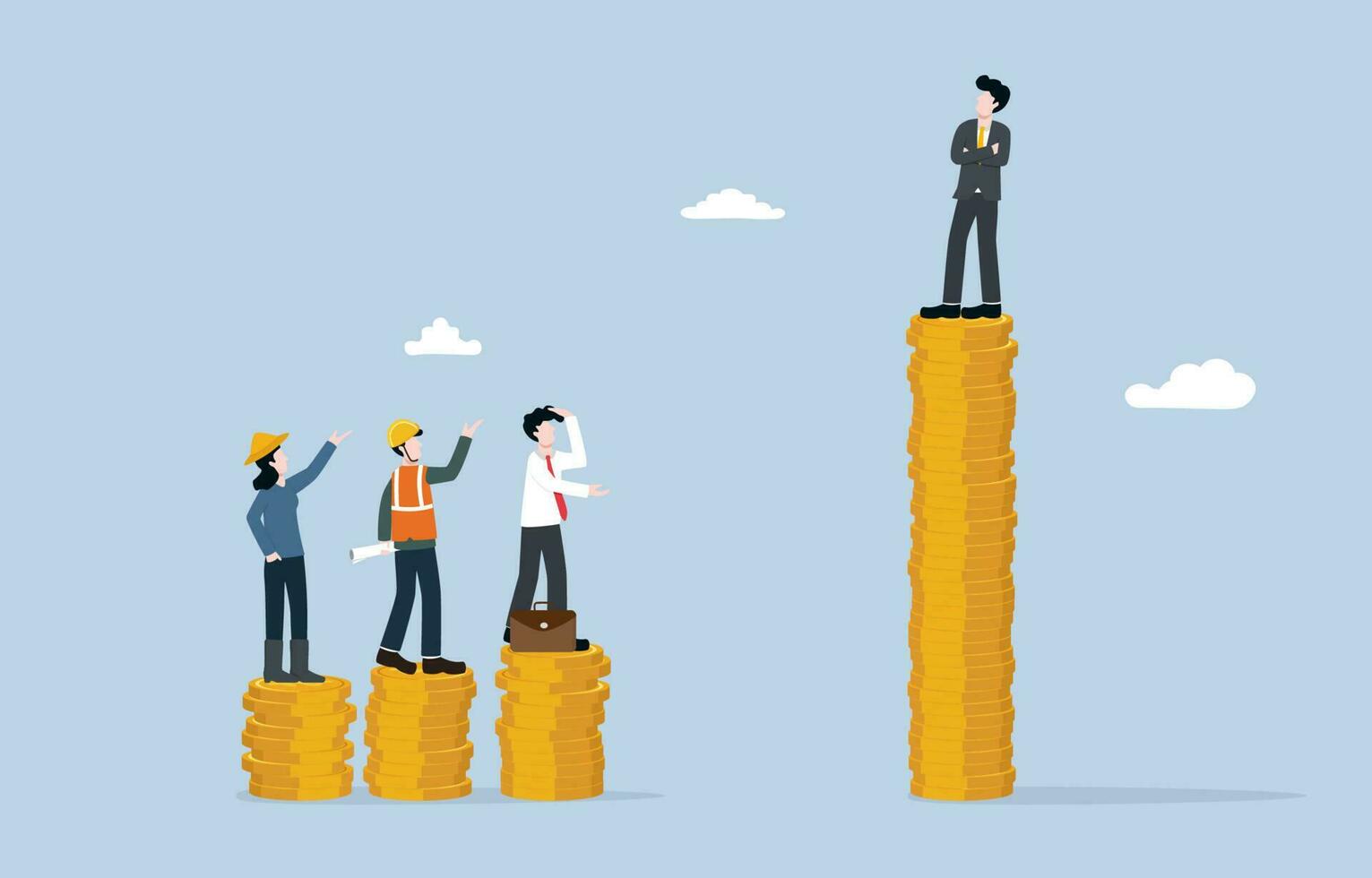
Wage stagnation quietly widens the divide between the affluent and others, with economic growth benefits unevenly allocated. This enduring issue challenges equitable advancement, making it crucial to explore its mechanisms and societal consequences.
1. When Paychecks Don't Keep Up
Wage stagnation makes economic progress elusive for many. Prices for housing, healthcare, and education outpace wage growth, squeezing lower- and middle-income families. Despite productivity increases, wealth gains concentrate at the top, leaving workers with diminished purchasing power and increased financial stress. This dynamic hampers upward mobility by limiting savings for education, retirement, or emergencies, with the resulting precarity curbing socioeconomic advancement. Solutions like raising the minimum wage and enhancing worker protections are under discussion to address these disparities.
2. Hidden Forces in a Changing Economy
Broader structural shifts contribute to wage stagnation. As industries restructure and digitalize, traditional job roles shrink, reducing worker bargaining power and suppressing wages. The rise of precarious employment—where stable, full-time jobs give way to temporary or part-time roles—exacerbates financial instability, as workers face reduced job security and stagnant pay. Addressing such economic changes demands comprehensive labor market reforms that enhance stability and security.
3. The Unequal Burden
Wage stagnation's impact isn't uniform; systemic inequities amplify its effects, hitting marginalized communities hardest. Pre-existing educational and professional disparities, compounded by stagnant wages, widen economic gaps. These issues perpetuate intergenerational disadvantage, as reduced household income limits children's opportunities for economic advancement. Effective interventions must focus on anti-discrimination measures and economic support for vulnerable groups to foster a fairer system.
Beyond the Numbers: The Social Impact of Economic Disparities
Economic disparities aren't merely financial—they significantly impact societal structures, straining communities and influencing individual well-being.
1. The Magnifying Glass of Inflation
Inflation disproportionately affects lower-income households, magnifying financial pressures and forcing hard choices on essentials. These pressures lead not just to economic hardship but to health issues stemming from chronic stress. Low-income communities, lacking financial buffers, face the harshest impacts, exacerbating wealth inequalities and hindering recovery.
2. Deepening Global Divides
Global economic disparities widen national chasms, hindering less affluent countries' development. Economic vulnerabilities often translate into underfunded services, denying millions access to vital education and health care. Without these services, breaking the cycle of poverty becomes increasingly challenging, highlighting the need for global strategies to address inequities.
3. A Disproportionate Burden: Gender and Climate Vulnerability
Economic inequality intersects with gender disparities, placing women and girls at a disadvantage especially during environmental or economic crises. Limited economic independence exacerbates vulnerabilities, necessitating targeted interventions to mitigate compounded disadvantages in these intersecting issues.
Q&A
-
What is economic inequality and how does it relate to the wealth gap?
Economic inequality refers to the uneven distribution of wealth and resources within a society. The wealth gap is a specific manifestation of economic inequality, highlighting the disparity between the richest and poorest segments of a population. This gap can lead to a concentration of wealth among a small percentage of individuals, while the majority may struggle to access basic needs and opportunities.
-
How does education access influence economic inequality?
Education access plays a crucial role in shaping economic inequality. When educational opportunities are limited or unevenly distributed, individuals from lower-income backgrounds may face challenges in acquiring the skills and knowledge necessary for higher-paying jobs. This perpetuates the cycle of poverty and widens the wealth gap, as education is a key factor in social mobility and economic advancement.
-
What are the effects of wage stagnation on opportunity mobility?
Wage stagnation, where wages fail to keep pace with inflation and the cost of living, can significantly hinder opportunity mobility. Without adequate income growth, individuals may struggle to improve their economic status, invest in education, or pursue better employment opportunities. This stagnation can lead to a lack of upward mobility and exacerbate economic inequality, as people remain trapped in low-income situations.
-
In what ways can tax policy address the wealth gap?
Tax policy can be a powerful tool in addressing the wealth gap. Progressive tax systems, where higher income earners pay a larger percentage of their income in taxes, can help redistribute wealth and fund public services such as education and healthcare. By ensuring that wealthier individuals contribute a fair share, tax policy can promote greater economic equality and provide resources for programs that support lower-income populations.
-
What is the social impact of growing economic inequality?
Growing economic inequality can have profound social impacts, including increased social tensions, reduced trust in institutions, and heightened political polarization. As disparities widen, individuals may feel marginalized and disenfranchised, leading to social unrest. Furthermore, economic inequality can affect public health, education quality, and overall societal well-being, emphasizing the need for policies that promote equity and inclusivity.