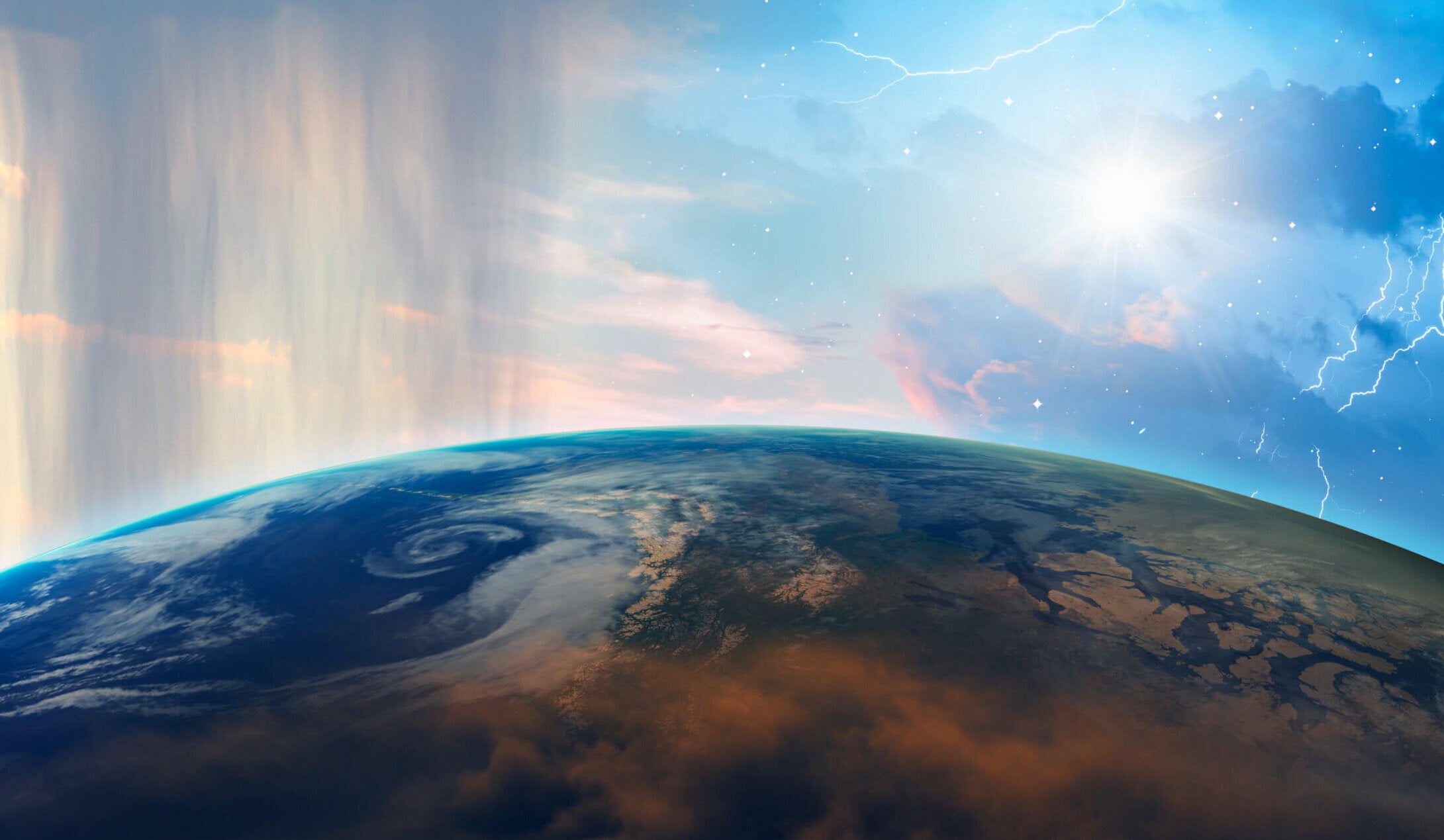
The Invisible Architects: How Pressure Sculpts Weather
Atmospheric pressure is a formidable yet unseen force that dictates much of our weather. It's not merely a background element but a driving factor in the daily atmospheric conditions we experience.
The Forces at Play
Atmospheric pressure, essentially the weight of the air above us, varies across the globe. This variation creates areas of high and low pressure, central to weather formation. Cold air, being heavier, creates high-pressure zones as it sinks, while warmer air rises to form low-pressure areas. These zones are not static; they shift with changing temperatures and influence whether we experience clear skies or storms.
Highs and Lows: A Balancing Act
High-pressure systems, or anticyclones, result in dry, clear weather as descending air warms and inhibits cloud formation. Conversely, low-pressure systems, or cyclones, promote cloudiness and precipitation due to rising air cooling and condensing. This see-saw between pressure types creates the diverse weather conditions we witness, from serene sunny days to stormy nights.
A Measure of Change
The barometer is the traditional tool used to measure atmospheric pressure. Rapid changes in barometer readings are tell-tale signs of impending weather changes. A falling barometric reading suggests deteriorating conditions, such as storms, while rising pressure indicates stable, calm weather.
Atmospheric Currents: The Engine of Climate
The atmosphere is powered by massive air currents that flow continuously, shaping global weather systems and climate patterns.
Jet Streams: The Airborne Expressways
Jet streams are high-altitude, narrow bands of strong winds that move from west to east. These currents are like expressways in the sky, steering weather systems and influencing climate patterns. The main jet streams, the polar and subtropical jets, shift with the season, altering weather patterns globally. They carry warm and cold air masses across continents, creating volatile weather situations.
Formation and Function
Jet streams form at the boundaries of climate zones, where contrasting temperatures between warm and cold air masses create powerful winds. The Earth's rotation deflects these currents, embedding them in the upper atmosphere. The strength and path of jet streams directly influence conditions on the ground, affecting everything from temperature to storm paths.
Impact on Daily Weather
These air rivers guide systems of pressure, either allowing storms to roam freely or trapping them in place, which can lead to extended periods of rain or dry spells. Their influence on mid-latitude storms, hurricanes, and cold fronts makes jet streams crucial in weather forecasting.
Unraveling the Mystery: The Genesis of Storms
Storm formation is a delicate yet dynamic process involving a precise interplay of climatic factors, from microscopic particles to expansive air currents.
Ingredients for a Tempest
Every storm requires moisture, unstable air, and a lifting mechanism. Moisture provides the necessary water vapor, instability creates updrafts when warm air lies beneath cooler air, and a lifting mechanism, such as a frontal boundary, initiates cloud formation. This combination sets the stage for storms, from thunderstorms to hurricanes.
The Microscopic Architects
Aerosols act as condensation nuclei in the atmosphere, enabling cloud droplet formation. Without these particles, clouds would be less efficient at forming, and precipitation might be nonexistent. Dust from deserts, smoke from fires, and sea salt are all contributors to cloud dynamics, affecting rain intensity and storm behavior.
Ocean and Air Interaction
The interaction between ocean temperatures and atmospheric conditions is a significant factor in storm genesis. Warm ocean surfaces heat the air above, creating the conditions necessary for storm intensification. Phenomena like El Niño and La Niña further influence global weather patterns, affecting storm frequency and intensity.
The Role of Humidity and Heat in Weather
Humidity and temperature are closely linked, both playing essential roles in weather formation and human comfort.
Humidity's Influence on Weather
Humidity, the concentration of water vapor in the air, affects cloud formation, precipitation, and weather severity. High humidity leads to cloudier, wetter conditions, while low humidity tends to result in clearer, drier weather. The dew point, measuring the temperature at which air becomes saturated, is a crucial indicator of potential rainfall and storm likelihood.
Understanding Heat Dynamics
Heat acts as a catalyst in weather systems; increased temperatures result in more vigorous air movement. When warm air rises, it creates areas of low pressure conducive to cloud and storm development. Moreover, global trends in warming influence long-term weather patterns, contributing to more extreme weather events due to elevated atmospheric energy levels.
The Comfort and Discomfort of Humidity
Humidity influences how we perceive temperature due to its impact on our body's natural cooling processes. High humidity hinders sweat evaporation, making temperatures feel hotter, while low humidity can dry out skin and respiratory tracts, highlighting the balance necessary for comfort.
Patterns of Climate and Weather Variations
The systematic movements in global climate greatly influence localized weather, as seen through recurring patterns and anomalies.
The Dynamic Dance: El Niño and La Niña
These oceanic and atmospheric shifts, known as El Niño and La Niña, represent opposing extremes in the climate system. El Niño increases ocean temperatures, redistributing rainfall and causing global disturbances, whereas La Niña cools sea surfaces, often leading to drought and increased hurricane activity. Both phases have profound impacts on global weather, illustrating the interconnected nature of climate systems.
Transitions and Neutral Phases
In between these extremes, neutral phases offer relative climate stability. However, these phases often indicate transitions that can lead to unpredictable weather variations. During transitions, monitoring changes in ocean and atmospheric conditions is vital for understanding potential shifts in the weather.
Long-term Impacts on Weather Patterns
The cycles of warming and cooling significantly affect the trajectory of weather events worldwide. They determine the intensity and frequency of storms, droughts, and shifts in temperature extremes, playing a pivotal role in climate forecasts and preparation for weather-related impacts.
| Weather Element | Description |
|---|---|
| Atmospheric Pressure | Influences weather patterns and storms |
| Humidity Levels | Affects precipitation and comfort |
Data Source: Compiled from meteorological studies and reports, published by official meteorological services and climate research institutions, January 2023 to March 2025.
Q&A
-
What role does atmospheric pressure play in weather forecasting?
Atmospheric pressure is crucial in weather forecasting as it helps meteorologists predict weather changes. High pressure typically indicates clear, calm weather, while low pressure can signal stormy conditions. By monitoring pressure systems, forecasters can anticipate weather fronts and their potential impacts on local climates.
-
How do jet streams influence storm formation?
Jet streams, which are fast-flowing air currents in the atmosphere, significantly influence storm formation. They can steer weather systems and act as boundaries between different air masses. When a jet stream dips, it can create areas of low pressure that encourage storm development, impacting the intensity and path of storms.
-
What is the relationship between climate patterns and humidity levels?
Climate patterns and humidity levels are closely linked. In tropical climates, high humidity is common due to consistent high temperatures and frequent rainfall. In contrast, arid climates experience low humidity levels. Changes in climate patterns, such as those caused by global warming, can alter humidity levels, influencing local weather conditions and ecosystems.
-
How can understanding jet streams improve long-term climate predictions?
Understanding jet streams is vital for improving long-term climate predictions as they influence weather patterns over large areas. By studying jet stream behavior, climatologists can better predict shifts in climate, such as temperature changes and precipitation patterns, which are essential for preparing for future climatic events.
-
Why is monitoring humidity levels important in weather forecasting?
Monitoring humidity levels is important because it affects both temperature and precipitation forecasts. High humidity can lead to cloud formation and precipitation, while low humidity is associated with dry conditions. Accurate humidity data helps meteorologists predict phenomena like fog, thunderstorms, and heatwaves, improving the reliability of weather forecasts.