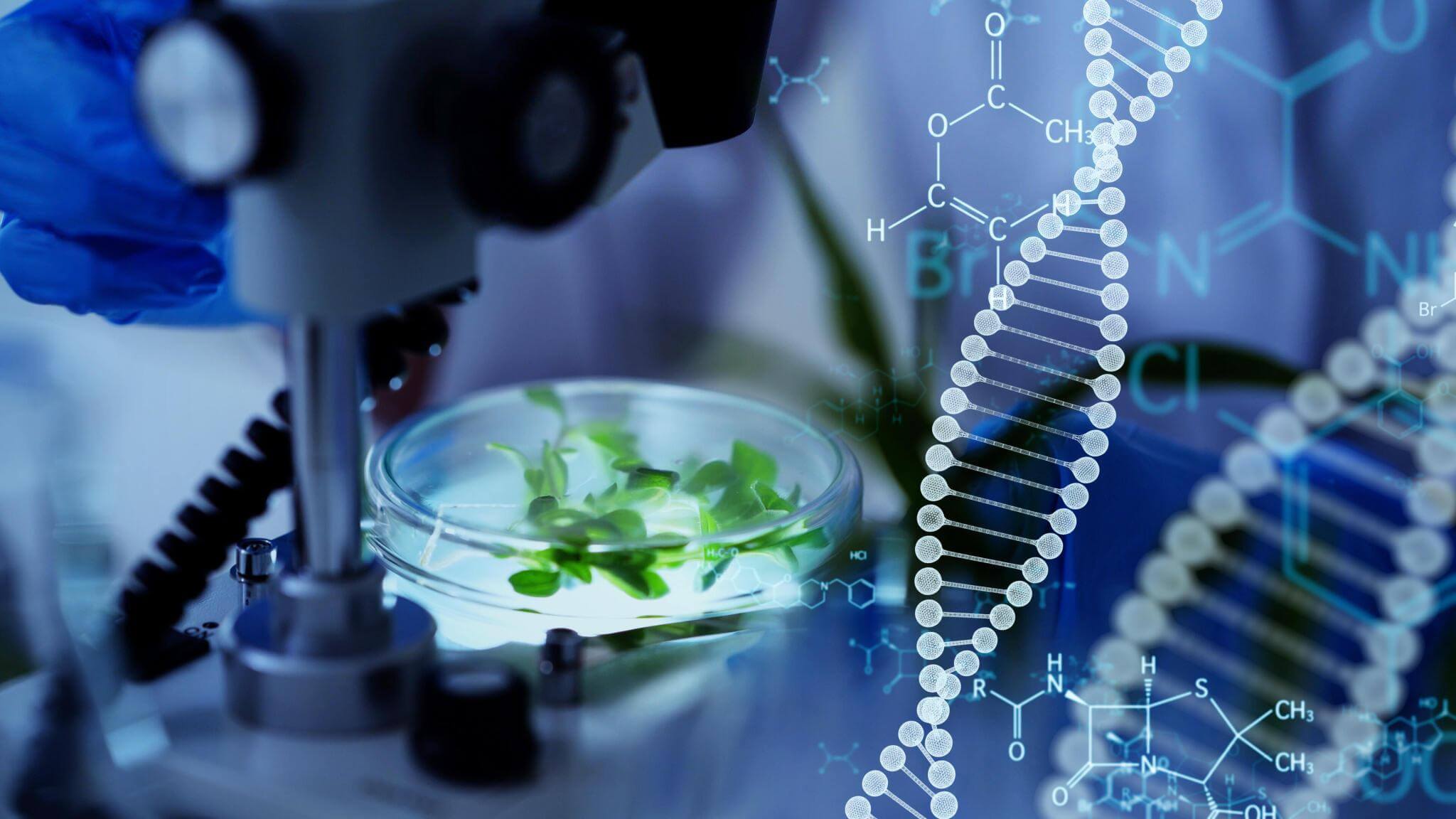
Unleashing the Power of Molecular Science
Harnessing Nature's Blueprint: Innovations in DNA
At the core of today's scientific revolution is our ability to manipulate DNA and proteins, the building blocks of life. This profound capability allows for the creation of custom gene-editing tools with precision that was previously unimaginable. Scientists are not only discovering tools inherent to nature but are also designing new ones from the ground up, using computational methods that provide astonishing accuracy.
The robustness of gene-editing tools such as CRISPR-Cas9 has transformed what was once unpredictable into a precise science. Where altering a gene was akin to a random guess, we now have the methods to predict cellular responses to edits with remarkable accuracy. This shift elevates genetic modification from an experimental art to a rigorous scientific discipline, allowing for more reliable and safer approaches. By anticipating outcomes before implementing genetic changes, we significantly enhance our control over genetic interventions, promoting confidence in the field of genetics.
Synthetic Biology: Crafting New Biological Systems
Synthetic biology further extends our capabilities to construct entirely new biological systems. By utilizing synthetic gene circuits and other biotechnological innovations, researchers can design organisms with specific, tailored functionalities. These engineered systems are proving essential in tackling complex challenges across various sectors, including healthcare and sustainable agriculture.
The ongoing advancements in synthetic biology are particularly evident in the development of sophisticated therapies and agricultural applications. By leveraging synthetic biology, scientists can modulate autoimmune diseases and enhance crop resilience, demonstrating the immense potential of this emerging field.
A New Era in Personalized Medicine
The Promise of Personalized Treatments
The advancements in biotechnology and genetic engineering are transforming medical practices, notably in the realm of personalized medicine. By customizing treatments based on an individual's genetic makeup, personalized medicine offers more effective and targeted healthcare solutions. Cell therapy, for example, allows researchers to engineer a patient's cells to fight diseases such as cancer, leading to more effective and tailored therapeutic interventions.
This personalized approach extends into diagnostics as well. By sequencing a patient's genetic information, clinicians can identify specific mutations driving a disease, enabling the selection of more precise treatments. This nuanced understanding of individual genetic profiles facilitates a move away from generic treatment methods, paving the way for personalized and predictive healthcare solutions.
Bridging Biotech and Clinical Treatment
These biomedical innovations are increasingly making their way from laboratory research to clinical application. Key technological enhancements in cell culture, vector production, and cell therapy manufacturing are vital in bringing complex treatments to the clinic safely and reliably. Real-time monitoring systems help ensure the consistent production of these therapies.
The integration of bioinformatics with pharmaceutical development further enables this transition. By incorporating sophisticated data analytics and AI, bioinformaticians streamline the drug development process, optimizing research strategies and manufacturing efficiencies. This synergy between biotechnology and clinical practice marks a significant leap towards more effective medical interventions.
Cultivating Sustainable Agricultural Practices
Genetic Engineering for Improved Crop Resilience
The principles of molecular science, crucial to advances in healthcare, are equally pertinent in transforming agriculture. Gene-editing technologies are pivotal in developing crops that withstand environmental stressors such as drought and pests. By enhancing natural plant resilience, these techniques enable the production of more nutritious and productive crops without foreign genes, benefiting farmers and consumers alike.
Furthermore, biotechnology contributes to the creation of innovative farming practices such as precision fermentation. This method allows microorganisms to produce food ingredients, usually derived from animals, without the need for livestock. The applications of such technology are profound, offering sustainable and animal-free food alternatives and contributing to a more secure food system.
Precision Agriculture with Data-Driven Tools
Advancements in bioinformatics are also transforming agricultural biotech. The integration of AI and machine learning in agricultural practices fosters sustainable farming methods and improves crop resilience. By analyzing environmental data and crop genetics, these technologies offer farmers precise and actionable insights, optimizing the use of resources while enhancing yield and productivity.
These technological innovations and their sustainable approach are central to securing our global food supply, addressing critical challenges posed by climate change and a growing population. With a focus on sustainability, agricultural biotech promises to enhance food security worldwide.
A Glimpse into the Future: New Materials and Ethical Considerations
Engineering Materials Inspired by Biology
Beyond healthcare and agriculture, our understanding of biology inspires the development of advanced materials. By leveraging the complex structures of proteins and other biological components, scientists create hybrid materials with unique properties suitable for a range of applications. This includes self-healing materials, biodegradable substances, and innovative biosensors, all made possible through the fusion of biological and synthetic science.
The potential applications of these materials extend into numerous industries, offering solutions to long-standing material challenges. By integrating biological insights with material engineering, researchers continue to blur the lines between natural and artificial, leading to pioneering advancements.
Ethical Implications of Genetic Modification
The profound capabilities of genetic engineering come with significant ethical responsibilities. Altering the genetic code of organisms raises critical questions about potential risks and long-term impacts. As biotechnological advancements progress, it is crucial to consider the ethical landscape, ensuring these technologies are developed responsibly and inclusively.
Discussions surrounding equity and access to these innovations remain vital. Ensuring that genetic advancements benefit humanity as a whole, without deepening societal divides or compromising natural integrity, requires careful consideration and international collaboration.
Question and Answer
-
What is CRISPR technology, and how is it transforming genetic engineering?
CRISPR technology, or Clustered Regularly Interspaced Short Palindromic Repeats, is a groundbreaking tool for genetic engineering that allows scientists to edit genes with unprecedented precision. It works by using a guide RNA to direct the Cas9 enzyme to a specific location in the DNA sequence, where it can make precise cuts. This technology is transforming genetic engineering by enabling the correction of genetic defects, the enhancement of agricultural crops, and the development of innovative therapies for diseases. Its simplicity and efficiency have made CRISPR a preferred method for gene editing across various fields, from biotechnology to medicine.
-
How does synthetic biology differ from traditional genetic engineering, and what are its applications?
Synthetic biology goes beyond traditional genetic engineering by designing and constructing new biological parts, devices, and systems that do not exist in nature. While traditional genetic engineering often involves modifying existing genes, synthetic biology creates new genetic sequences to perform specific functions. Applications of synthetic biology include the development of biofuels, the creation of new pharmaceuticals, and the design of organisms that can degrade environmental pollutants. This field holds the promise of revolutionizing industries by providing sustainable and efficient biological solutions.
-
What role does bioinformatics play in biotechnology and genetic engineering?
Bioinformatics is essential in biotechnology and genetic engineering as it involves the application of computational tools to manage and analyze biological data. It aids in understanding complex biological systems by processing large datasets generated by genomic sequencing and gene expression studies. Bioinformatics is crucial for identifying genetic markers for diseases, understanding evolutionary relationships, and developing personalized medicine. By integrating bioinformatics with biotechnology, researchers can accelerate the discovery of new drugs, optimize genetic modifications, and enhance agricultural practices.
-
How is genetic engineering impacting pharmaceutical development?
Genetic engineering is revolutionizing pharmaceutical development by enabling the creation of targeted therapies and personalized medicine. By understanding the genetic basis of diseases, scientists can design drugs that specifically target disease-causing genes or proteins. Genetic engineering also facilitates the production of biologics, such as monoclonal antibodies and vaccines, which are more effective and have fewer side effects than traditional drugs. Additionally, genetic engineering is paving the way for gene therapies that can potentially cure genetic disorders by correcting faulty genes at their source.
-
In what ways is agricultural biotechnology addressing food security and sustainability?
Agricultural biotechnology is addressing food security and sustainability by developing crops that are more resistant to pests, diseases, and environmental stressors like drought and salinity. By using gene-editing techniques, scientists can enhance crop yields and nutritional content without introducing foreign genes, making these improvements more acceptable to consumers. Additionally, biotechnology is enabling the development of crops that require fewer chemical inputs, reducing environmental impact and promoting sustainable farming practices. These advancements are crucial for feeding a growing global population while preserving natural resources.