Currents Unchained: How Ocean Flows Shape Our World
Ocean flows are essential components of our planet's climate system, functioning much like a circulatory system that distributes heat and sustains marine life. These currents are affected by numerous factors, including wind, temperature differences, and salt levels, fundamentally shaping weather patterns and habitats across the globe. However, this delicate system is undergoing significant changes due to rising global temperatures and shifts in natural processes, presenting challenges that require a deeper understanding of ocean dynamics.
The Planet's Circulatory System
The movements of ocean waters play a pivotal role in regulating Earth's climate. Surface currents, mostly driven by winds, distribute heat across continents, influencing regional climates and weather events such as hurricanes and monsoons. Beneath these, deeper currents, affected by variations in water density, travel at a slower pace but are crucial in maintaining nutrient cycles and supporting marine ecosystems. This "thermohaline circulation," often compared to a planetary thermostat, ensures the continuous redistribution of heat and vital nutrients. As warmer surface waters travel from the equator towards higher latitudes and cooler waters return toward the equator, this cyclical transformation helps maintain the ocean’s biological productivity.
Shifting Tides in a Warming World
Recent years have seen ocean surface temperatures rising at an unprecedented rate. For instance, over a 13-month period, sea surface temperatures globally were consistently recorded as significantly higher than historical averages, injecting massive amounts of energy into ocean systems. This warming trend, fueled by factors such as reduced cloud coverage and shifts in atmospheric aerosol levels, alters the foundational dynamics of ocean flows. Warm water, being less dense, affects the critical sinking processes that drive deep currents, leading to a disruption in the established gradients of temperature and salinity vital for ocean circulation.
The Ripple Effect on Weather
The alteration in oceanic patterns due to changing temperatures has far-reaching effects on global weather systems. Warmer waters enhance the intensity of tropical storms, creating more powerful hurricanes and typhoons. The frequency of marine heatwaves, or prolonged periods of abnormally high sea temperatures, has surged dramatically, resulting in unpredictable weather patterns and significant ecological impacts. Such marine heatwaves disrupt crucial ecosystems, threatening the survival of marine species and altering local climates as they affect large-scale phenomena like the Pacific's temperature fluctuations, which have global consequences by influencing continental rainfall and temperature patterns.
The Rising Heat: Marine Heatwaves and Their Consequences
Marine heatwaves represent one of the most damaging consequences of rising ocean temperatures, marked by periods where sea surface temperatures considerably exceed the historical norms. These episodes now occur with increasing regularity and severity, leading to ecological challenges that stretch from altering habitat suitability for species to impacting the very productivity of marine environments.
What is a Marine Heatwave?
A marine heatwave occurs when sea temperatures remain significantly above their historical average for at least five consecutive days. These events can affect extensive ocean areas for weeks or months, driven by atmospheric and oceanic conditions such as persistent high-pressure systems or weak winds that hinder the mixing of surface with deeper, cooler waters. As global temperatures rise, these heatwaves become easier to trigger, with evidence suggesting that their frequency and intensity will continue to increase unless mitigating actions are taken.
An Unprecedented Surge
Over the past four decades, marine heatwave days have increased by over 50%, signaling a sharp shift in marine environmental conditions. This trend highlights the extraordinary amount of heat the oceans are absorbing, which is not just a localized phenomenon but part of a wider pattern of change. These heatwaves impose stress on marine life, altering distributions, and potentially collapsing ecosystems. Their growing prevalence marks an urgent need to understand and manage the effects of climate change on our oceans.
Life Under Pressure: The Coral Bleaching Crisis
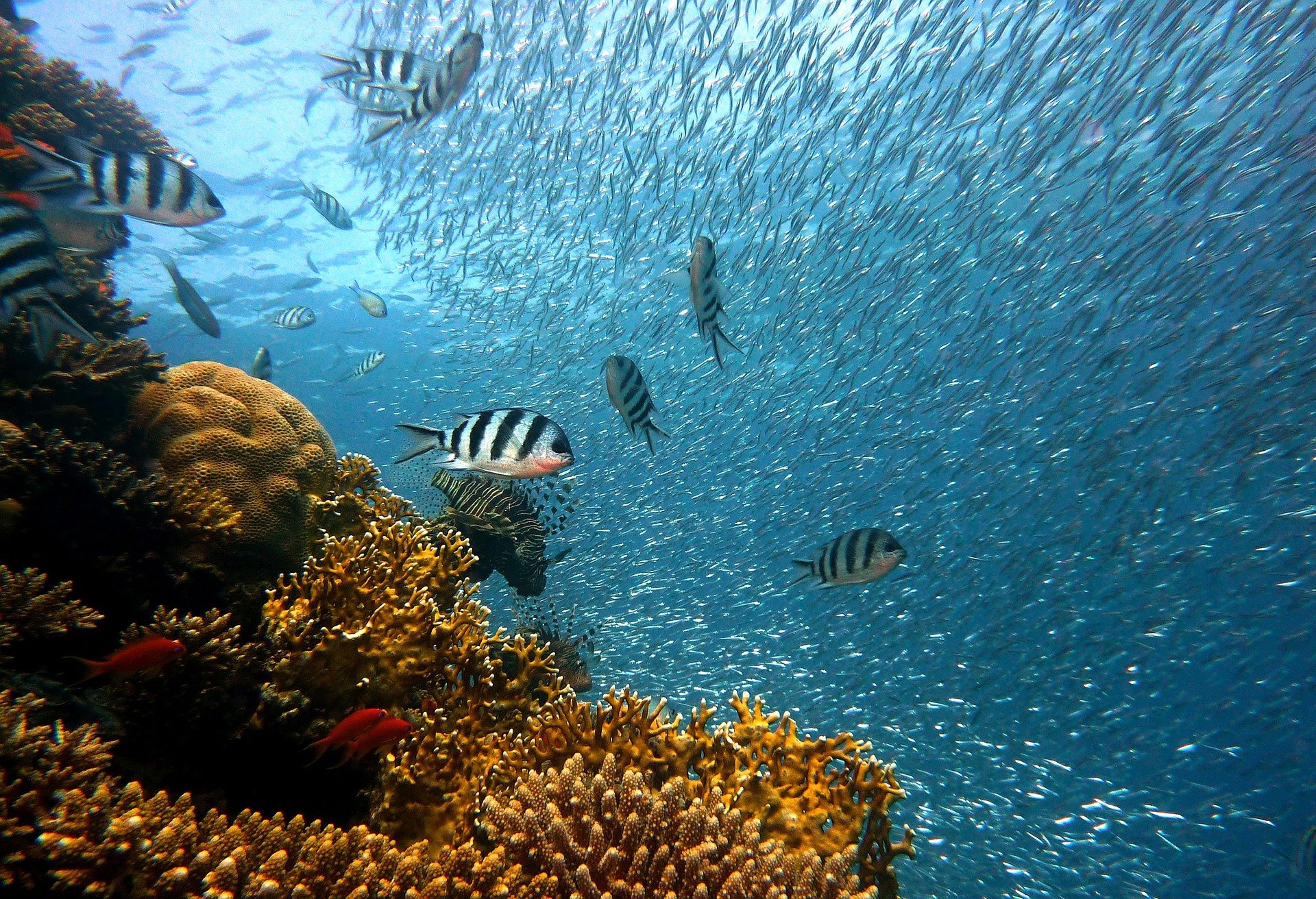
One of the most visible consequences of marine heatwaves is coral bleaching, a phenomenon where corals, stressed by elevated water temperatures, expel the symbiotic algae vital to their health and color. While occasionally reversible, severe or prolonged heat can lead to coral death, with recent global bleaching events affecting more than 80% of coral reefs worldwide. Coral reefs are indispensable to marine biodiversity and provide vital ecosystem services, such as coastal protection and supporting fisheries, making their preservation critical in the context of a changing climate.
When the System Falters: Disruptions to Vital Ocean Processes
The robust systems powering ocean productivity and climate regulation are faltering under the pressure of changed circulation patterns. These failures disrupt ecosystems and have significant ramifications for global environmental stability and human livelihoods.
The Silent Shutdown of Upwelling
Upwelling—the process of wind-driven currents bringing nutrient-rich deep waters to the ocean surface—is essential for supporting significant fisheries and marine productivity. However, recent climate disruptions have caused some key upwelling systems to weaken, signaled by instances where expected nutrient surges failed. This breakdown severed a vital ecosystem link and underscored the vulnerability of processes foundational to oceanic food webs.
The Pacific's Rhythmic Pulse
The Pacific Ocean's natural oscillation of sea surface temperatures and pressures affects global weather patterns and marine conditions. Yet this pulse, known for its regularity, is becoming increasingly erratic. Variations in phases now exhibit greater intensity and unpredictability, signaling a sensitive feedback loop between atmospheric and oceanic systems. This indicates the interconnected nature of global climates, demonstrating how changes in the Pacific exert influence across the globe.
Navigating Toward a Sustainable Future
Protecting the ocean's intrinsic systems means adapting human activities to respect and reinforce these natural processes. Acknowledging the changes reshaping our largest ecosystem is essential to developing solutions that sustain both marine environments and human communities.
Understanding the Ocean's Blueprint
Effective ocean conservation starts with a deep comprehension of how its interconnected systems operate. By mapping relationships between marine biology, currents, and temperature shifts, scientists can predict how and where threats to biodiversity are likely to emerge. This knowledge enables crafting strategic conservation efforts, sustainable fisheries management, and assists coastal communities in adaptation to changing conditions. The ocean's blueprint serves not only to outline its vulnerabilities but also highlights its regenerative potential.
Charting a Sustainable Course Forward
The trials facing the oceans are significant, yet they offer opportunities for innovation and global collaboration. Establishing protected marine areas, reducing pollution, and practicing sustainability in maritime industries are vital steps. Shifting our perspective from ocean exploitation to stewardship by implementing sustainable methods in fishing, transportation, and urban development along coasts allows ecosystems to recover and thrive. The fate of our planet's oceans—and by extension, our own—depends on the choices made today, necessitating concerted efforts to foster a sustainable and resilient future for the oceans and humanity.
Q&A
-
How do ocean currents influence the salinity levels in different parts of the ocean?
Ocean currents play a crucial role in redistributing salt and heat in the ocean, affecting salinity levels. Warm currents, such as the Gulf Stream, can increase salinity in certain areas by promoting evaporation. Conversely, cold currents may lower salinity by bringing in freshwater from melting polar ice or precipitation. These variations are essential for marine life and influence global climate patterns.
-
What is the relationship between ocean temperature and marine geology?
Ocean temperature can significantly impact marine geology by affecting sediment transport and deposition. Warmer temperatures can enhance chemical weathering of rocks on the ocean floor, altering geological formations over time. Additionally, temperature variations can lead to changes in sea level, which in turn impact coastal geology and can trigger geological events like landslides or tsunamis.
-
How does underwater mapping contribute to sustainable architecture?
Underwater mapping is vital for sustainable architecture, particularly in coastal and marine environments. By providing detailed topographical data of the ocean floor, architects and engineers can design structures that minimize environmental impact and withstand natural forces. This information is crucial for constructing resilient buildings, offshore wind farms, and other infrastructure that harmonize with the marine ecosystem.
-
Why is polar ice significant for understanding global ocean currents?
Polar ice is a key factor in global ocean currents due to its influence on salinity and temperature. When polar ice melts, it releases freshwater into the ocean, which can disrupt the thermohaline circulation—a major component of global ocean currents. Understanding these processes helps scientists predict changes in climate and their impacts on weather patterns, sea levels, and ecosystems worldwide.
-
What advancements in technology are enhancing our understanding of ocean currents and their effects on climate?
Recent advancements in satellite technology, autonomous underwater vehicles (AUVs), and remote sensing have significantly improved our understanding of ocean currents. These technologies provide real-time data on ocean temperature, salinity, and current patterns, allowing scientists to model climate systems more accurately. This enhanced understanding aids in predicting climate change impacts and developing strategies for mitigation and adaptation.