The Sound of Problems: Using Auditory Clues for Diagnostics
Your car’s unexpected noises can often signal that something is going awry. While modern vehicles are designed to operate quietly, any unusual sound warrants investigation to avoid potential complications.
Engine Noises: The Heartbeat of Your Car
A healthy engine emits a consistent, smooth sound. Deviations might indicate a problem. For instance, a high-pitched squeal during acceleration often suggests a worn serpentine belt, crucial for the functionality of engine components like the alternator and water pump. Neglecting this could lead to overheating or battery failure, necessitating immediate replacement.
Tapping sounds that increase with engine speed could signify low oil pressure, risking engine damage due to inadequate lubrication. Conversely, a deep knocking sound, known as “rod knock,” signifies a serious internal issue that demands immediate attention from a mechanic to prevent catastrophic engine failure. Lastly, a hissing sound might indicate a vacuum leak or an issue in the cooling system, both necessitating prompt diagnosis to ensure the vehicle's health.
Brake Sounds: Stopping Power Signals
Brakes are vital for safety, and sounds they produce provide essential information about their condition. A high-pitched squeal when braking often comes from a wear indicator contacting the rotor, a built-in alert that the brake pads need replacement. Ignoring this can lead to a damaging and grinding noise, implying the pads have worn entirely, potentially damaging the rotors—thus escalating a simple pad replacement into a costly repair.
Brake noises like clicking could suggest loose pads, while thumping might indicate a warped rotor, usually felt as a pulsation in the pedal. It’s crucial not to ignore these noises; quick inspection ensures both safety and cost-efficiency.
Suspension and Steering Sounds: Bumps in the Road
The suspension and steering systems contribute to ride comfort and control. A "clunking" sound over bumps might signal a failed shock absorber or sway bar link, indicating that metal components are in contact. Groaning sounds when turning could result from worn ball joints or bushings.
A humming noise changing with speed could point to failing wheel bearings. These components are crucial for wheel rotation; neglecting them can be hazardous. Understanding these auditory clues ensures necessary repairs are timely, enhancing overall driving safety.
Beyond the Noise: Visual and Sensory Clues
While sounds provide significant insights, your visual observations and sensory experiences also hold crucial diagnostic value in understanding vehicle health.
What You See: Leaks, Lights, and Smoke Signals
Visual observations often provide direct indicators of automotive issues. Fluid leaks, for instance, can help pinpoint a problem. Transmission or power steering fluids are usually reddish, while engine oil appears dark brown or black. Bright antifreeze puddles suggest coolant leaks, and noticing them early can mitigate engine overheating.
Certain dashboard warning lights communicate essential system statuses. The “Check Engine” light, albeit common, should not be disregarded as it ranges from minor issues like a loose gas cap to more serious engine concerns. Additionally, smoke observations are critical: blue smoke can denote oil burning in the engine, white smoke suggests coolant leaks into combustion chambers, and black smoke indicates fuel system issues, all requiring prompt professional evaluation.
What You Feel: Vibrations and Performance Issues
Tactile changes in your vehicle's operation often signal emerging issues. Steering wheel vibrations may indicate unbalanced tires, needing a balancing to prevent uneven wear. Whole-car vibrations could result from driveshaft problems. A pulsing sensation during braking suggests warped rotors, while changes in performance, such as power loss or hesitation, hint at issues like aging spark plugs or fuel system obstructions—each necessitating timely intervention to ensure reliability.
Recognizing these subtle cues allows you to address potential problems early, often resolving them before they become major.
What You Smell: Unpleasant Odors as Warning Signs
Your sense of smell is a potent diagnostic tool. A sweet, syrupy cabin smell often indicates a coolant leak, suggesting urgent checking and service to prevent engine overheating. Burning oil smells suggest leaks onto hot engine parts, indicating a need for seal inspection and replacement. Burning rubber smells or gasoline odors hint at belt issues or fuel leaks, posing fire risks if ignored. Acrid smells often point to overheating brakes, needing immediate investigation.
Recognizing and interpreting these signals allows you to preemptively address potential hazards, significantly reducing repair costs and enhancing vehicle safety.
When to Call a Professional: Knowing Your Limits
While being observant can help identify car issues, it's crucial to recognize when professional intervention is necessary, ensuring both safety and proper problem resolution.
Safety First: Don't Tackle What You Can't Handle
Certain systems, especially brakes, suspension, and fuel systems, should only be serviced by professionals due to their complexity and the necessary safety precautions. Improper handling can result in catastrophic failures, so when in doubt, always consult a certified mechanic.
The Value of a Professional Diagnosis
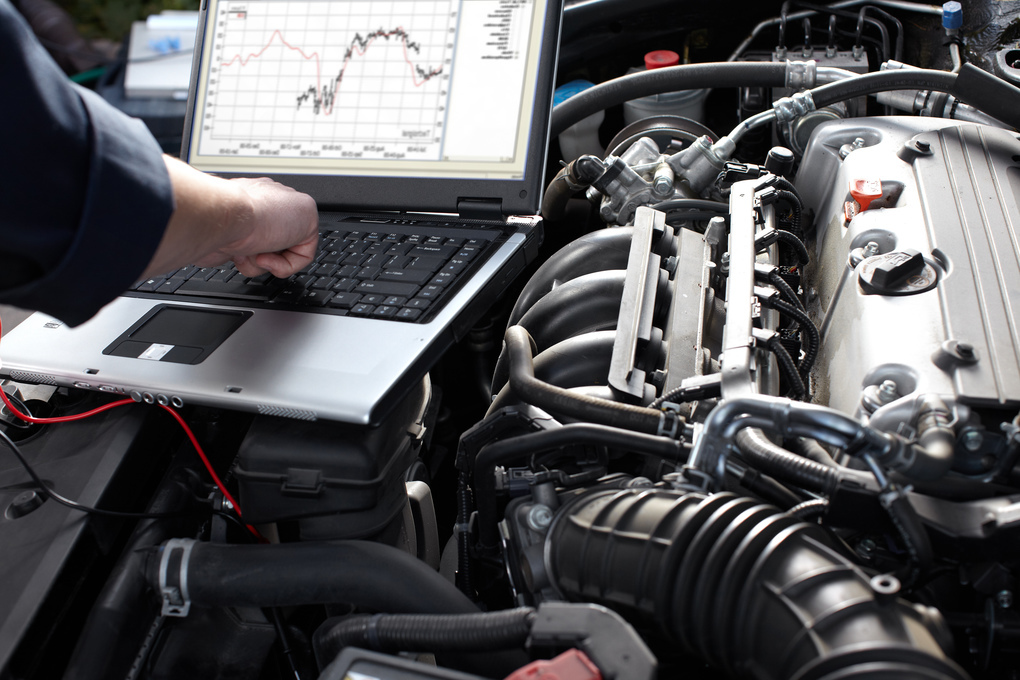
Professionals bring experience and diagnostic equipment that provides precise problem identification. These tools enable quick resolution, often preventing minor issues from developing into major, costly repairs. Investing in a professional diagnosis after observing issues can ultimately save money and prevent inconvenient breakdowns.
How to Communicate with Your Mechanic
Effective communication with mechanics accelerates problem-solving. Describe specific symptoms like unusual noises or sensations, detailing their occurrences and any observable patterns. Providing detailed observations equips technicians with the necessary information to diagnose and resolve issues efficiently.
By understanding the various auditory, visual, and sensory cues your vehicle provides, you become a proactive owner, better equipped to maintain your car's reliability and longevity. Trusting your senses and knowing when to seek professional help ensures your vehicle remains safe and operational.
Q&A
-
How can I begin troubleshooting car problems effectively?
To effectively troubleshoot car problems, start by identifying any unusual sounds, smells, or behaviors. Check for warning lights on the dashboard and use an OBD-II scanner to read diagnostic trouble codes. This initial assessment can help narrow down potential issues, guiding further inspection or professional assistance. -
What are some common car issues that drivers frequently encounter?
Common car issues include flat tires, dead batteries, engine overheating, and brake problems. Electrical issues, such as malfunctioning lights or power windows, are also frequent. Regular maintenance and timely inspections can help prevent these problems from escalating. -
What steps should I take when diagnosing car engine problems?
When diagnosing car engine problems, start by listening for unusual noises and checking for visible leaks or smoke. Inspect the engine oil level and quality, and ensure that all connections and hoses are secure. If the issue persists, using a diagnostic tool can help pinpoint specific engine-related trouble codes. -
Can you provide a basic car troubleshooting guide for beginners?
A basic car troubleshooting guide for beginners should include checking fluid levels, inspecting belts and hoses, examining tire pressure, and ensuring battery connections are tight and corrosion-free. Additionally, familiarize yourself with the owner's manual to understand the function of dashboard warning lights and recommended maintenance schedules. -
How do I fix common car electrical problems on my own?
To fix common car electrical problems, start by checking the battery for charge and ensuring the terminals are clean and tight. Inspect fuses and replace any that are blown. If the issue involves specific components like lights or windows, check the wiring and switches for continuity. When in doubt, consult a professional to avoid further damage.