Exploring the Secrets of Nature's Most Diverse Regions
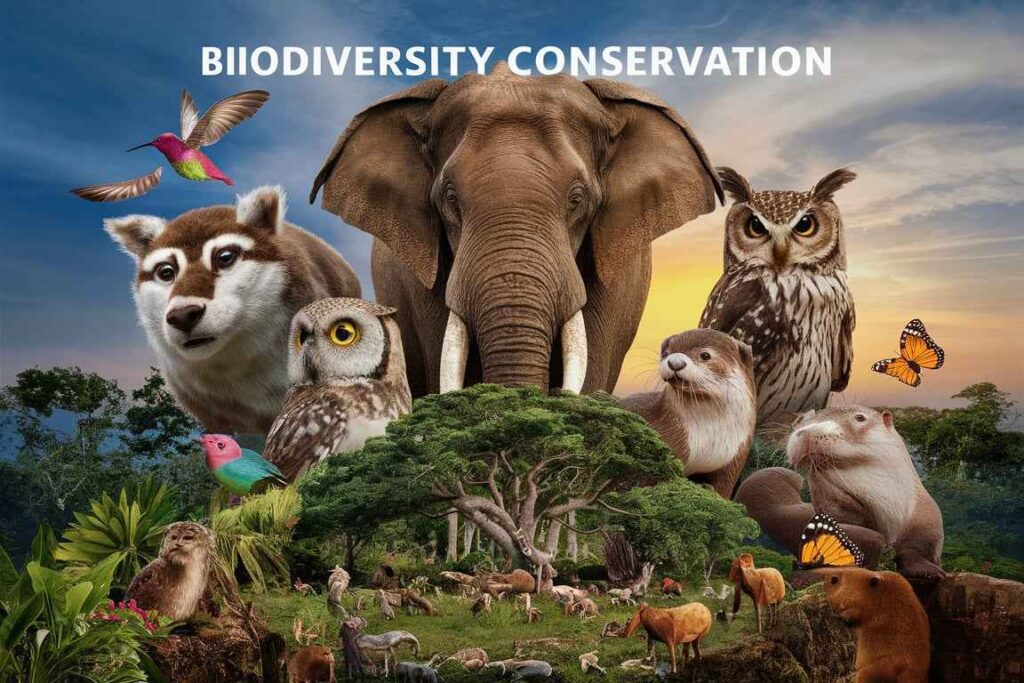
Biodiversity hotspots are the planet’s rich but vulnerable areas, home to a plethora of unique species. These regions are true marvels of evolution and are crucial for maintaining the planet’s ecological balance.
The Significance of Biodiversity Hotspots
Understanding biodiversity hotspots involves recognizing their profound ecological and evolutionary importance. These areas are rich in plant and animal life, featuring species that cannot be found elsewhere. They often hold keys to our planet's past, revealing intricate ecosystems that have developed over countless millennia. These regions, if left unprotected, face severe degradation due to human impact, leading to the loss of irreplaceable genetic resources.
A primary strategy to protect these areas involves identifying and implementing conservation plans that extend beyond borders. Sometimes, this requires reconciling the needs of local communities with ecological imperatives, a task that demands collaboration and innovative management. For instance, in regions like the Canadian Boreal Forest and the Great Bear Rainforest, indigenous communities are integral to the stewardship of these lands. Indigenous co-management frameworks in such areas promote sustainability by integrating traditional ecological knowledge with modern conservation science, ensuring that both cultural and environmental legacies are preserved.
Such initiatives demonstrate the importance of local involvement in conservation efforts. When communities see tangible benefits from conservation, they become active participants rather than obstacles. As these efforts take root, they offer a blueprint for balancing human development with ecological protection—providing a model for other regions facing similar challenges.
Challenges Facing These Delicate Ecosystems
Biodiversity hotspots are dynamic regions, sensitive to shifts in the natural environment and human activities. As climate change accelerates, these areas face increasing pressure, altering habitats and threatening the species that thrived there for centuries. Human encroachment, through activities like deforestation and urbanization, further destabilizes these fragile ecosystems.
It’s not only the direct impacts of habitat destruction that threaten hotspots but also secondary effects like pollution and invasive species. Restoring balance requires implementing comprehensive strategies that encompass ecosystem dynamics and species interactions. Conservationists work to build resilience in these areas, ensuring that natural processes continue to support diverse life forms under changing conditions.
Furthermore, understanding the cultural connections to these regions provides additional layers of protection. In many cases, indigenous narratives and practices offer insights into sustainable living, highlighting practices that can mitigate the impacts of modern development. By respecting and integrating this knowledge, conservationists can devise more holistic approaches to protect these vital ecological zones.
Integrating Conservation Efforts Across Borders
Conservation is rarely about working within the confines of national borders. Many biodiversity hotspots extend across multiple countries, necessitating international cooperation. Creating wildlife corridors and cross-border protected areas allows species to move freely, facilitating natural processes such as migration and genetic exchange.
Efforts to establish transboundary conservation areas require diplomatic as well as scientific collaboration. For instance, the management of migratory animals like birds or butterflies requires agreements on habitat protection across their range. By sharing data and governance models, countries can foster unified conservation strategies that benefit both people and wildlife.
International agreements also provide frameworks for resource mobilization and research collaboration. These cooperative efforts ensure that the global ecological heritage is respected and safeguarded, uniting regions in a shared commitment to biodiversity conservation. Moreover, enhancing communication between nations aids in confronting large-scale threats like illegal wildlife trade and habitat connectivity issues, strengthening the integrity of ecological networks across the globe.
Restoring Life to Degraded Habitats
The fight against habitat loss is central to conservation. By implementing restorative projects, we can breathe new life into devastated ecosystems, creating a future where nature and human progress harmonize.
Transforming Landscapes Through Reforestation
Reforestation is one of the most impactful strategies for restoring degraded habitats. Initiatives around the world focus on reviving forest ecosystems that have been diminished by human activity. These endeavors not only help reclaim lost biodiversity but also enhance the provision of ecosystem services in terms of climate regulation, water purification, and soil stabilization.
The key to successful reforestation lies in planting native species and maintaining biodiversity within restored areas. Native plants are better adapted to local conditions and support local wildlife. In Canada, efforts in habitat restoration involve more than 112 remote Indigenous communities, integrating traditional harvesting and food-sharing initiatives to enrich these projects. This synergy of modern conservation science and traditional knowledge drives forest recovery efforts, ensuring they are sustainable and culturally respectful.
Such projects go beyond merely planting trees; they include removing invasive species and rehabilitating water sources to ensure the entire ecosystem can recover. By restoring natural processes and supporting native biodiversity, these efforts help stabilize ecosystems against climate impacts, providing lasting benefits.
Reconnecting Land and Water Ecosystems
It’s vital to recognize the interdependence of land and water ecosystems when restoring habitats. Terrestrial and aquatic environments often coexist, influencing each other's health and productivity. A successful conservation strategy acknowledges these connections and addresses them through comprehensive restoration plans.
For example, the restoration of wetlands acts as a natural filter for pollutants and provides critical habitat for many species. Similarly, reforestation of areas surrounding water bodies prevents soil erosion and reduces sedimentation, maintaining clean and healthy aquatic environments. This interconnected approach not only aids in the health of individual ecosystems but supports a more resilient regional biodiversity.
Efforts in this vein are supported by policies promoting the synchronization of land and aquatic conservation efforts. These projects are essential for species like amphibians, which require both wetland and forested environments. By aligning conservation strategies around the broader ecological frameworks, initiatives can better address the profound challenges these ecosystems face.
Reviving Marine Ecosystems for the Future
Marine ecosystems play an essential role in global biodiversity, and their restoration is actively pursued worldwide. Projects such as creating marine protected areas focus not only on the conservation of ocean habitats but also on improving resilience against overfishing and pollution. By setting aside zones where human activities are limited, these sanctuaries allow marine life to recover and proliferate.
For example, the resurgence of species like sea turtles is due in part to protective measures along nesting beaches and efforts to reduce bycatch in fishing nets. These conservation efforts are supported by international collaboration, which is crucial given the migratory nature of many marine species.
Further conservation measures also target the reduction of oceanic plastic pollution, an increasing threat to marine biodiversity. Initiatives focus on outreach and education to reduce waste entering marine environments. Recovery and protection strategies ensure that the restoration of ocean habitats can contribute significantly to overall ecosystem health. Achieving these goals requires continued global efforts focused on creating and maintaining healthy marine ecosystems.
Fostering Global Partnerships for Biodiversity Protection
The intricate web of life on Earth depends on joint efforts. Effective conservation requires policies and partnerships, aligning local initiatives with a global commitment towards making a profound ecological impact.
Crafting Sustainable Conservation Policies
Efforts to protect biodiversity hinge on policies that integrate environmental priorities with economic and social welfare. Sustainable conservation policies are vital in maintaining ecological balance while fostering human development. Crafting these policies requires a delicate balance, considering both the current and future needs of ecosystems and communities.
Leading conservation policies often incorporate innovation and economic incentives, supporting sustainable practices in agriculture, forestry, and fisheries. By aligning these sectors with conservation goals, countries can promote practices that preserve biodiversity while enhancing economic resilience. For instance, payments for ecosystem services reward landowners for maintaining habitats that provide ecological benefits like water filtration and carbon storage.
Ensuring the success of these initiatives also involves engaging local and Indigenous groups in policy development, recognizing their role in ecosystem management. Collaborative governance models ensure that conservation measures are practiced equitably, benefiting both nature and societal progress.
Local Engagement as a Pillar of Success
Involving local communities in conservation efforts is essential for enduring success. Conservation strategies that incorporate community perspectives achieve broader support and more sustainable outcomes. By establishing platforms for dialogue and co-management, policies can better address the needs and knowledge of those who live close to wildlife.
Empowering women and youth in these initiatives is key to fostering inclusive conservation efforts. Gender action plans and educational programs create a foundation for the next generation of environmentally-conscious leaders, ensuring that conservation extends beyond borders and generations. By equipping communities with the tools and knowledge needed for effective habitat management, conservation efforts are enhanced.
Initiatives that focus on community benefit also contribute to reducing human-wildlife conflict. When local people see direct benefits from wildlife conservation, it reinforces the sense of ownership and responsibility toward biodiversity preservation. Programs that cultivate sustainable livelihoods aligned with conservation goals allow communities to thrive in harmony with their natural surroundings.
The Imperative for International Cooperation
Conservation challenges are global in scope. Whether addressing migratory species, climate change, or transboundary pollution, international cooperation is essential. Global treaties and agreements set common conservation goals and encourage countries to work together towards these objectives.
These collaborative frameworks facilitate the exchange of knowledge and resources, allowing countries to leverage collective experience and technology. They also enable bilateral and multilateral funding mechanisms, ensuring financial support for areas needing conservation aid. This collaborative approach contributes to addressing large-scale threats, providing a robust defense mechanism against biodiversity loss.
International cooperation also targets issues like illegal wildlife trade and habitat fragmentation. By coordinating efforts, countries can effectively confront these challenges, creating a shared momentum for conservation. As global ecosystems are increasingly interconnected, fostering a united front becomes ever more critical for safeguarding the planet's biological wealth.
Q&A
-
What are some effective conservation policies for protecting endangered species?
Conservation policies can include establishing protected areas such as national parks and wildlife reserves, enforcing anti-poaching laws, and implementing breeding programs for endangered species. Additionally, international agreements like the Convention on International Trade in Endangered Species (CITES) play a crucial role in regulating trade and protecting wildlife.
-
How does habitat restoration contribute to wildlife protection?
Habitat restoration involves rehabilitating and restoring ecosystems that have been degraded or destroyed. This process helps to recreate natural habitats that support the survival and reproduction of endangered species, thus contributing to their long-term protection. Activities can include reforestation, wetland restoration, and removing invasive species to restore the ecological balance.
-
Why are biodiversity hotspots important for maintaining ecological balance?
Biodiversity hotspots are regions with a high level of endemic species that are also experiencing significant habitat loss. Protecting these areas is critical for maintaining ecological balance because they support unique ecosystems and a wide range of species. Conservation efforts in these hotspots can prevent the extinction of species and preserve the ecological services they provide, such as pollination, water purification, and climate regulation.
-
What role does ecological balance play in wildlife conservation?
Ecological balance refers to the harmonious coexistence of species within an ecosystem. Maintaining this balance is essential for wildlife conservation because it ensures that no single species dominates the ecosystem, which could lead to the decline or extinction of others. Conservation efforts aim to preserve or restore this balance by protecting habitats, managing species populations, and preventing habitat destruction.
-
How can individuals contribute to wildlife protection and conservation efforts?
Individuals can contribute by supporting conservation organizations, reducing their carbon footprint, and advocating for policies that protect wildlife and their habitats. Additionally, participating in local conservation projects, such as tree planting or wildlife monitoring, can have a direct positive impact on the environment and help protect endangered species.