A New Era of Educational Tools: Transforming Traditional Learning
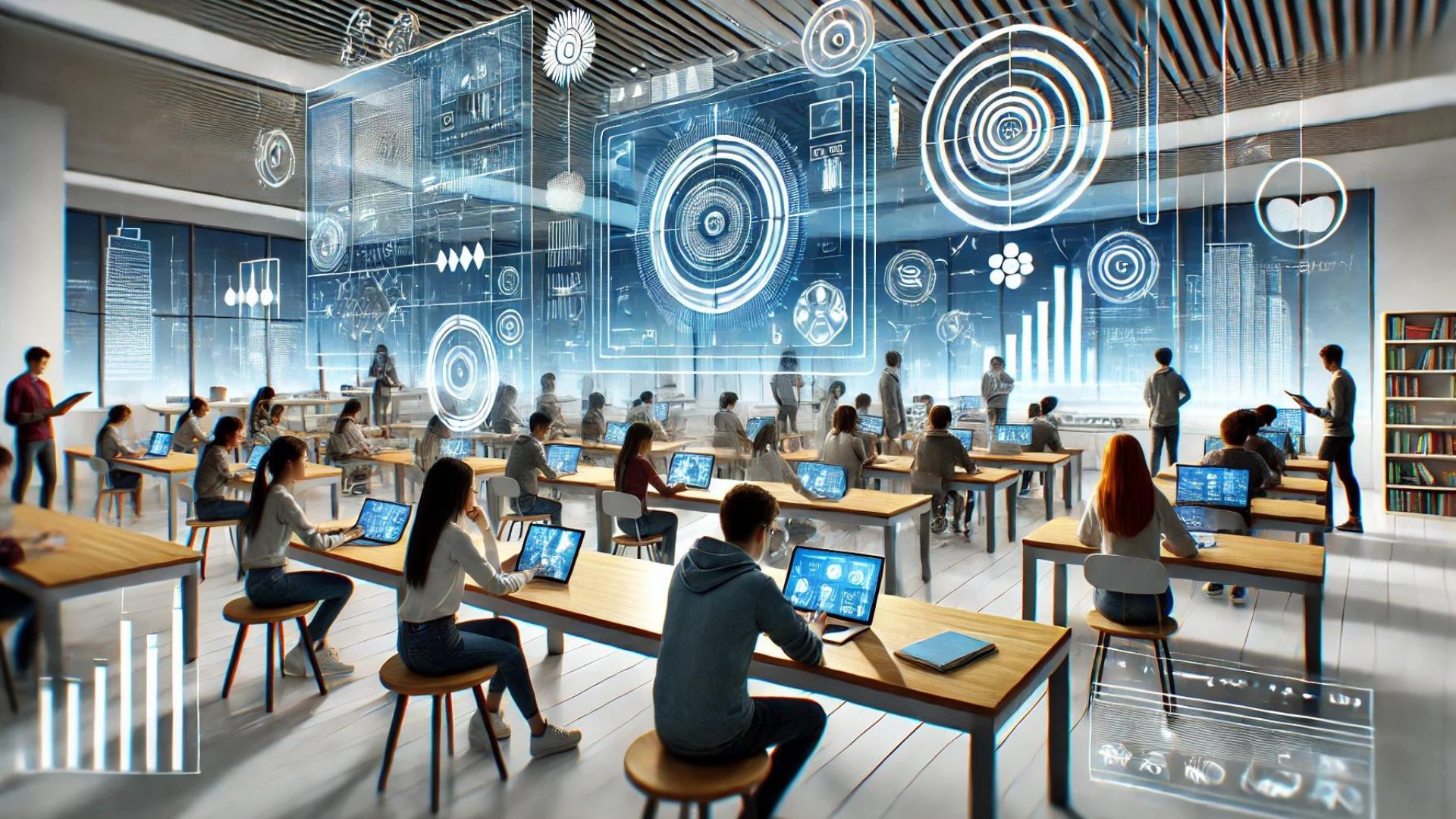
Digital technology is disrupting the age-old classroom model, providing tools that create tailored, dynamic environments for learning. These innovations place students at the center of their educational journey, encouraging interaction, personalization, and engagement beyond what was previously possible.
Revolutionizing Accessibility and Interaction
New digital tools are driving change by breaking down the traditional educational framework. Their ability to accommodate diverse learning styles transforms the classroom into a more interactive and inclusive space. For instance, Learning Management Systems (LMS) serve as centralized hubs that simplify content delivery and foster communication. With platforms like Canvas, Blackboard, and Moodle, educators can streamline administrative tasks and enhance teacher-student interactions, making education accessible from virtually anywhere.
These tools also utilize assessment technologies to provide continuous feedback and support. This fosters an educational climate where students are empowered to take charge of their learning, paving the way for a more dynamic and interactive classroom experience. By integrating various media forms, such as videos, quizzes, and forums, LMS platforms support learning styles that are auditory, visual, or kinesthetic, thereby accommodating individual preferences and fostering a deeper and more inclusive understanding of course material.
Personalized Learning Journey
The transition from conventional to personalized education transforms the rigid curriculum model into flexible learning paths. Adaptive Learning solutions employ artificial intelligence to customize educational content to match each student's needs, enhancing engagement and effectiveness. By offering challenges and resources tailored to specific strengths and weaknesses, platforms like DreamBox, Knewton, and Smart Sparrow equip learners with tools to achieve success at their own pace.
These systems continuously assess user progress, offering real-time feedback and adjusting difficulty levels accordingly. This ensures that students encounter material that is relevant and challenging enough to sustain interest without causing unnecessary frustration. The immediate feedback loop enables learners to rectify mistakes in real time, solidifying understanding and fostering a confident and self-reliant learning attitude.
Facilitating Creative and Collaborative Education
The use of digital tools in classrooms also encourages collaborative learning processes that redefine how students interact with peers and content. With platforms that allow real-time collaborations on documents, presentations, and digital whiteboards, students can seamlessly work together on projects and discussions, regardless of location. This nurtures essential teamwork, communication skills, and digital proficiency needed in today's interconnected world.
These novel tools also offer opportunities for creative expression, enabling learners to engage deeply with subject matter through non-traditional formats like podcasts, animations, and interactive websites. This not only showcases their understanding but also allows them to employ these skills innovatively, reflecting personal interests and talents.
Increasing Career Readiness: Bridging the Educational and Professional Worlds
Educational technology doesn't just impact learning; it bridges the gap between academia and the workforce, equipping students with essential skills beyond pure academics.
Integrating Real-World Skills in Education
Today's job market requires a blend of traditional knowledge and practical experience, especially in fast-evolving STEM fields (Science, Technology, Engineering, and Mathematics). Through virtual and augmented reality simulations, students gain hands-on experience in technical fields without the physical constraints of traditional labs. This is particularly beneficial for disciplines such as medicine, engineering, and architecture, where students can practice complex concepts virtually, from surgery to structural design, promoting safe yet comprehensive exploration.
Incorporating workplace scenarios into curricula ensures that students graduate with a competitive edge, equipped with advanced competencies that are both pertinent and useful. By focusing on real-world problem-solving, educational technology makes learning relevant and applicable, effectively preparing students for future market demands.
Emphasizing Skills for Future Careers
Modern education isn't just about acquiring knowledge but also about developing skills pertinent to future careers. As industries evolve, so must educational tactics. Gamification in learning incorporates principles akin to gaming, such as point systems and badges, which motivate learners through incentive-driven achievements. This shift renders the learning process engaging and enjoyable, encouraging perseverance and offering a framework reminiscent of game-based challenges, which helps students remain focused and motivated.
Moreover, platforms incorporating gamification hold significant promise for professional development. Employees benefit from training programs that use game-like strategies to make learning relevant and effective, ensuring skills are acquired and retained.
Ensuring Ethical Implementation: Equity, Accessibility, and Guidance
Harnessing the full potential of educational technology necessitates ethical and equitable implementation, addressing accessibility, inclusivity, and responsible use across diverse settings.
Securing Equitable Access to Learning Tools
With the move towards digital, ensuring equitable access is paramount. While technology offers tremendous opportunity, disparities in access to devices or reliable internet can hinder these benefits. Thus, educational policies must ensure such technologies reach all students uniformly, across varied backgrounds, to create a level playing field.
This necessitates deliberate frameworks and resources that facilitate training and support for educators and students alike. Schools must adopt a thoughtful approach, ensuring that the introduction and usage of technology align with educational objectives, fostering environments that emphasize inclusive learning.
Balancing Technological and Pedagogical Goals
Technological introduction should be driven by clear educational objectives, ensuring that new tools supplement and enhance rather than overshadow teaching goals. Educators should be trained to integrate these technologies effectively, focusing on pedagogical outcomes that promote student growth and understanding. By prioritizing careful implementation, institutions can ensure that technology enriches education while safeguarding student privacy and well-being.
Overall, the integration of technology into education opens up a world of possibilities, reshaping how knowledge is shared, processed, and applied. By focusing on innovation, accessibility, and ethical application, educational technology promises to not only transform learning experiences but also to prepare students for a future where lifelong learning becomes an integral part of success.
Q&A
-
What are the key benefits of Learning Management Systems (LMS) in education?
Learning Management Systems (LMS) offer several benefits, including centralized learning materials, easy tracking of learner progress, and the ability to provide personalized learning experiences. They support diverse content formats, facilitate communication between instructors and students, and offer analytics to improve educational outcomes. -
How does Adaptive Learning enhance student engagement?
Adaptive Learning enhances student engagement by personalizing the learning experience to fit individual needs and learning paces. It uses data-driven insights to adjust the difficulty level and type of content delivered, ensuring that students remain challenged but not overwhelmed, thus increasing their motivation and participation. -
What role does Gamification play in modern education?
Gamification introduces game-like elements such as points, badges, and leaderboards into educational activities. This approach increases motivation and engagement by making learning more interactive and fun. It also encourages competition and collaboration among students, which can enhance learning outcomes and foster a positive learning environment. -
What are the advantages of Massive Open Online Courses (MOOCs) for lifelong learning?
MOOCs provide accessible and flexible learning opportunities to a global audience, allowing individuals to acquire new skills and knowledge at their own pace. They offer a wide range of topics and are often free or low-cost, making lifelong learning more attainable. MOOCs also connect learners with a diverse community, enriching the educational experience through shared insights and networking. -
How can Virtual Classrooms improve the learning experience?
Virtual Classrooms offer a dynamic and interactive learning environment that transcends geographical boundaries. They enable real-time interaction between instructors and students through video conferencing, chat, and collaborative tools. This flexibility allows for a more inclusive and diverse educational experience, catering to different learning styles and needs. -
What types of Assessment Tools are commonly used in digital education, and why are they important?
Common assessment tools in digital education include quizzes, surveys, peer assessments, and automated grading systems. These tools are crucial for measuring student understanding, providing feedback, and identifying areas for improvement. They also help educators tailor instruction to better meet the needs of their students, ultimately enhancing the effectiveness of the learning process.