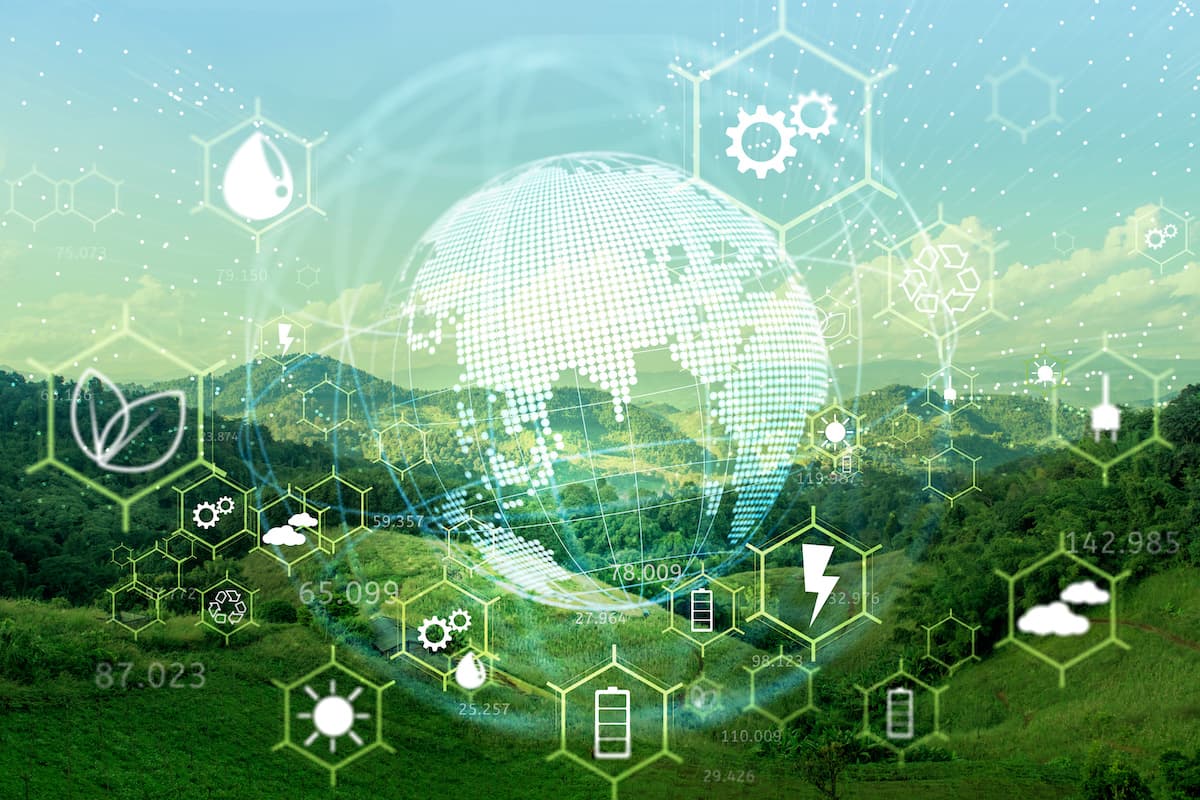
The Transformation of Renewable Systems
The landscape of renewable resources is evolving beyond mere hardware like solar panels and wind turbines. The emphasis has shifted to how these systems are managed and integrated into our daily lives through intelligent frameworks, fostering a more sustainable and equitable energy future.
From Passive Grids to Dynamic Systems
Our historical energy systems, which once functioned as rigid, one-way grids, are undergoing a rebirth into dynamic, responsive networks capable of meeting modern energy demands. These advancements turn traditional setups into complexes that are both proactive and interactive. Key to this evolution is the smart grid—a network that not only distributes power but also communicates continuously. Through sophisticated sensors and management systems embedded throughout the grid, real-time data exchange enables balanced electricity distribution and integration of small-scale producers, like household solar panels, into the larger system. This interactivity facilitates a smart, robust network that adjusts to supply and demand.
Harnessing Predictive Capabilities
A significant hurdle for renewable systems is their variable nature: the sun isn't always shining, nor is the wind always blowing. Advanced energy management systems interpret large datasets—weather patterns, current conditions, and usage histories—to make accurate energy production forecasts. This predictive power allows for adjustment and preparation, ensuring consistent electricity delivery. For instance, anticipating a solar energy dip enables pre-emptive adjustments, either by tapping into stored energy reserves or utilizing alternative power sources, transforming what was once a limitation into a controllable element.
Empowering Localities and Building Resilience
The shift towards decentralized energy not only democratizes energy production but revitalizes local economies. Individuals can now become energy producers, contributing excess power back to the grid and potentially reducing energy expenses. In addition, community-specific projects like solar cooperatives enable collective access to green energy, fostering inclusivity and resilience. During emergencies, locally produced energy coupled with storage solutions can sustain essential services, fortifying community self-sufficiency and promoting healthier environments.
The Brain Power of Intelligent Grids
Smart grids represent the forefront of future energy systems, integrating digital tools to enhance efficiency while supporting renewable energy adoption. Their development marks a revolution from traditional infrastructures to a technologically advanced network.
Data as the Grid's Central Nervous System
A defining feature of smart grids is their extensive data communication capabilities. Unlike the old unidirectional system, smart grids allow for continuous dialogue across their components. This is facilitated by smart devices and meters capturing data on energy flows, equipment conditions, and consumption patterns. The real-time data integration allows the grid to optimize resource distribution, anticipate demands, and maintain grid stability.
Enhancing Grid Operations with Proactivity
Equipped with real-time data, smart grids facilitate foresighted management of energy resources. Demand forecasting enables precise energy production, reducing waste and improving cost-efficiency. Moreover, smart grids offer protective measures, like self-healing capabilities in the event of faults, preventing widespread outages and maintaining power continuity. Monitoring the state of grid machinery also allows for proactive repairs, bolstering the system's resilience.
Integrating Diverse Energy Sources and Consumer Empowerment
Smart grids are pivotal in seamlessly incorporating variable energy sources. By adapting to fluctuating renewable outputs and leveraging energy storage during surplus production, these grids ensure a steady power supply. They also streamline distributed generation, allowing individual producers to participate equally. These advances provide consumers with greater control and understanding of their energy usage, fostering not only energy-efficient practices but also enabling potential peer-to-peer electricity trading.
Exploring the Myths Around Capturing Emissions
As we explore solutions to address environmental challenges, capturing emissions stands as a centerpiece of discussion, often misunderstood yet crucial in the broader context of reducing our environmental impact.
Understanding the Role and Efficiency of Reduction Technologies
Contrary to some beliefs, the potential of emission capture systems is continually advancing, supported by innovations that enhance efficacy. These technologies address unique emission challenges in industries where traditional renewable sources are not viable solutions. They are crucial for industries with intrinsic emissions, offering a path toward significant reductions that renewables alone cannot provide. Their integration into emission reduction strategies highlights flexibility, complementing broader climate solutions and emphasizing the need for comprehensive public dialogue.
Addressing Cost Concerns
While initial expenses of capture technologies were high, costs are declining. Investment in these systems is increasingly seen as economically viable as technological advancements make adoption more attractive. Incorporating these systems is viewed as strategic when factoring in the transitional benefits, such as maintaining operational infrastructure while reducing emissions, thus balancing economic and environmental needs.
Collaboration with Renewable Systems
The misconception that capture technology detracts from renewable development misses their complementary roles. While renewables reshape energy generation, capture technology mitigates emissions in maintaining current energy demands during their transition. Regulated appropriately, these dual approaches ensure broader emissions reduction without compromising renewable progress, offering a pragmatic bridge towards a cleaner energy landscape.
The Emergence of Sustainable Materials
An exciting synergy is forming between the pursuit of sustainable raw materials and smart energy systems, reshaping how we construct our technological future and resource management.
Innovating Material Science for Environmental Health
By integrating sustainability into technology, dramatic shifts are occurring in material discovery and application. Advanced computational methods forecast material behaviors, expediting innovation while minimizing resource use. This marks a reorientation from passive discovery to purposeful environmental design, embodying a foundational shift in resource usage.
Bio-Inspired Advances
Biologically derived construction materials, drawing inspiration from nature's inherent efficiency, are revolutionizing material applications. These smart, adaptable materials can integrate with living systems, offering innovative uses in sectors from healthcare to infrastructure, including biodegradable and self-healing properties.
Structural Components Driving Sustainability
The transformation from raw materials to final products, such as those vital for electronics and energy systems, is undergoing a sustainability revolution. Initiatives across sectors aim to reduce carbon footprints through effective material use, essential for maintaining technological advancement in harmony with ecological goals.
The Influence of Policy and Data Integration
Policy frameworks and data integration play pivotal roles in paving pathways to sustainable resource utilization. Through coordinated governmental and industrial efforts, policy ensures material sustainability through recycling incentives and supply chain resilience. Earth observation coupled with data modeling aids in managing resources effectively, supporting innovation driven by ecological insights.
Moving Toward a Circular Economic Model
The global movement towards circularity is redefining how we perceive products, focusing on continuous resource circulation and long-term regeneration over mere sustainability.
Beyond Linearity: Redefining Resource Utilization
The traditional linear model of resource usage, based on extraction and disposability, faces a strategic challenge in the forms of both resource scarcity and environmental degradation. The circular model shifts towards a regenerative system, utilizing resources in closed loops and emphasizing redesign strategies to eliminate waste. Such approaches foster environmental and economic resilience, aligning efficiency with ecological balance.
Designing for Longevity and Regeneration
The foundation of a circular approach is designing products for extended life cycles through modular, adaptable components. This means prioritizing reuse, remanufacturing, and recycling, maximizing material value. These strategies integrate naturally with systems focused on regenerating ecosystems and ensuring sustainable industrial practices.
Industrial Applications and Traceability's Impact
Several sectors, notably pulp and paper, are exemplifying circular principles through waste reduction and regenerative processes. Traceability through digital records ensures responsible resource flow, enhances recycling efficiency, and informs sustainable trade.
Circular Economy: A Pillar of Global Strategies
The circular economic model's integration into national policies underscores its critical role in broader climate goals, transforming it from optional corporate responsibility into essential economic strategies. Global engagement provides a fertile ground for embedding circular principles in infrastructure, production, and consumption, signifying a comprehensive shift towards regenerative world economies.
These interconnected pathways signify not only incremental steps toward sustainability but also a paradigm shift toward an integrated future, where progress and planet coexist harmoniously.
Q&A
-
What are the main components of renewable energy systems?
Renewable energy systems typically comprise several key components, including energy sources like solar panels, wind turbines, or hydroelectric generators; power conversion devices such as inverters; energy storage systems to manage supply and demand; and grid integration technologies to ensure stable delivery of electricity.
-
How do energy storage solutions enhance the efficiency of renewable energy systems?
Energy storage solutions, such as batteries and pumped hydro storage, allow for the retention of excess energy generated during peak production times. This stored energy can then be released when production is low or demand is high, ensuring a consistent energy supply and improving the overall efficiency and reliability of renewable energy systems.
-
What role do smart grids play in modern energy management?
Smart grids incorporate advanced communication and automation technologies to monitor and manage electricity flow. They facilitate real-time data exchange between utilities and consumers, improve the efficiency of electricity distribution, reduce transmission losses, and support the integration of renewable energy sources and decentralized power generation.
-
Can you explain the importance of carbon capture in reducing greenhouse gas emissions?
Carbon capture technology involves capturing carbon dioxide emissions from industrial processes and power generation before they enter the atmosphere. This process is crucial for reducing greenhouse gas emissions, helping to mitigate climate change, and facilitating the transition to a low-carbon economy.
-
How do sustainable materials contribute to a circular economy?
Sustainable materials are designed to be reused, recycled, or biodegraded, minimizing waste and resource consumption. In a circular economy, these materials help close the loop by ensuring that products and materials are kept in use for as long as possible, reducing the environmental impact and promoting economic sustainability.