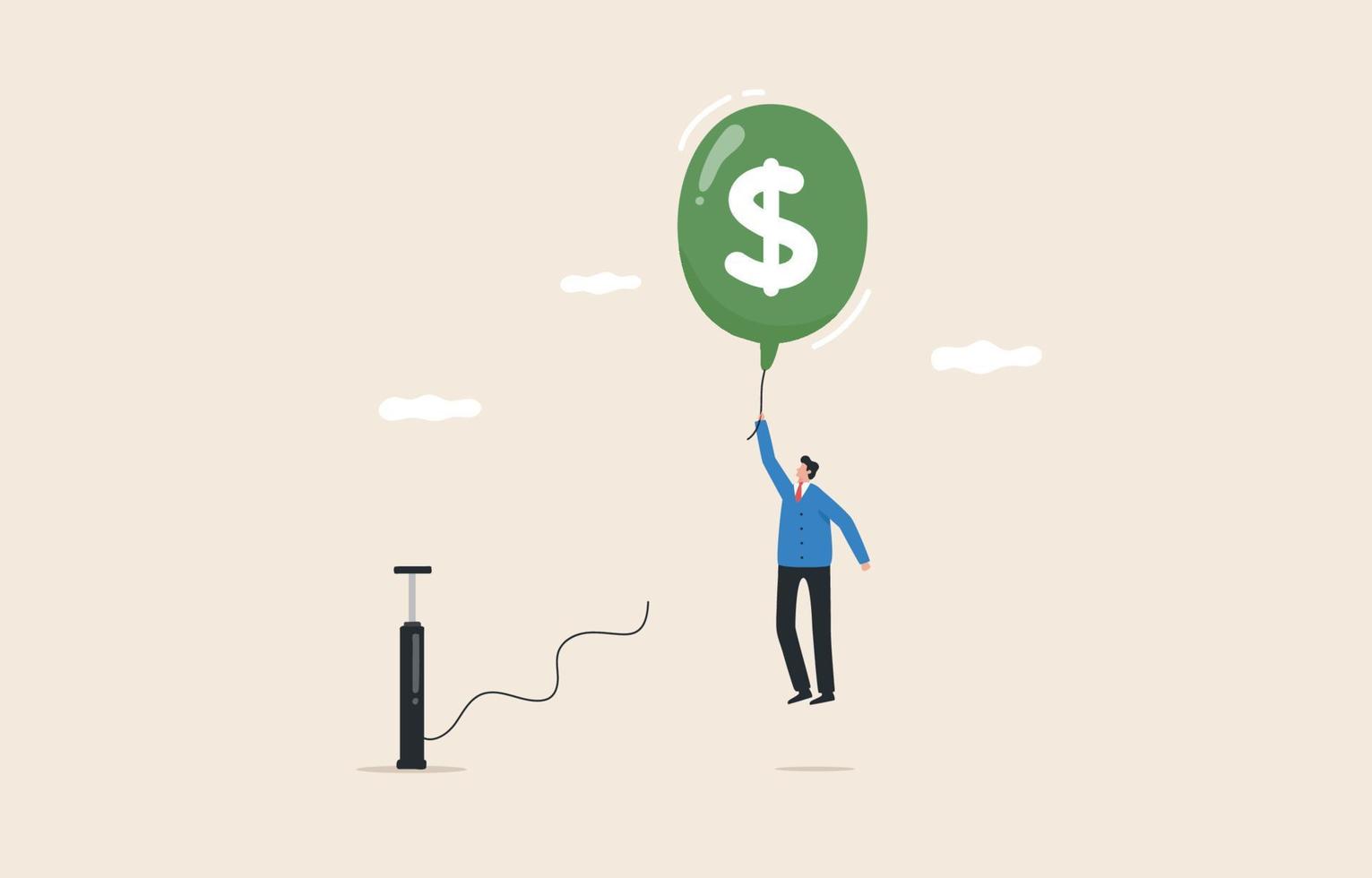
Understanding the Surge Behind Market Phenomena
Financial bubbles, while rooted in economic imbalances, are inherently driven by the human psyche. These speculative phases seem puzzling at a glance, yet they are manifestations of consistent behavioral patterns. Understanding these cycles offers insights into both the exhilaration of soaring markets and the sobering reality of their eventual decline.
The Allure of Following the Crowd
A powerful force in any bubble is the human inclination to mirror the actions of others, often epitomized by the fear of missing out. When the public sees peers reaping seemingly effortless profits, the impulse to join becomes overwhelming. This is not merely greed; it's a profound social drive to be aligned with perceived success. In today's highly connected environments, social media amplifies this effect. Platforms broadcast success stories quickly and widely, creating an illusion of opportunity that draws even more participants into the frenzy. What starts as isolated pockets of interest can snowball into global phenomena, where joining in seems smarter than standing by.
The dynamics of herd mentality are driven by circular logic: rising prices attract more buyers, which in turn drives prices higher. Thus, actions are influenced less by individual analysis and more by collective motion, fueled by an ever-spiraling cycle of optimism. Such environments create a feedback loop that silences cautious voices and makes joining the trend seem less risky than abstaining. This momentum-driven excitement can lead to markets becoming severely overstretched, setting the stage for a dramatic turnaround when sentiment shifts.
The Danger of Overconfidence
Success breeds confidence, yet within financial bubbles, such confidence can become perilous. Individuals enjoying early gains often attribute their success to personal acumen rather than fortuitous timing or sheer luck. This belief in one’s own market prowess can result in bold, unchecked risk-taking. As profits increase, so does the appetite for risk, often leading individuals to amplify their stakes or enter more volatile investments under the assumption that the trend will continue.
This overconfidence blinds many to warning signs. Skeptics are often dismissed as out-of-touch, and small corrections are dismissed as mere opportunities to strengthen positions. The infectious nature of optimism creates a reinforcing loop, where the continued rise in prices validates the prevailing bullish sentiment. However, this narrative ignores a fundamental truth: markets are self-correcting forces. What ascends rapidly without a firm foundation will eventually seek equilibrium, often rapidly and destabilizingly.
The Game-Like Nature of Modern Investment
The evolution of market access has blurred the distinction between disciplined investing and speculative gambling. The allure of rapid gains and swift losses draws many into treating markets as high-stakes tournaments rather than platforms for long-term financial planning. This gamification of investing is evident as traditional boundaries blur, leading to riskier behaviors.
The enticing nature of volatile markets turns them into arenas where price swings and quick profits resemble the ups and downs of casino gaming more than investment practice. This shift frames speculation as both normal and exhilarating, overshadowing prudent analysis. The rush of pursuit captivates investors, tempting them into cycles where enthusiasm overrides caution, ultimately contributing to the creation of financial peaks and valleys.
Narratives and Behavioral Anchors
Within an inflating bubble, stories that rationalize escalating prices emerge and gain traction, underscoring psychological determinants such as "anchoring" and denial. Participants often latch onto particular narrative milestones, using them as benchmarks to justify continuing investment. Anchoring, for instance, manifests as focus on recent historical highs as benchmarks for future valuation, making prices seem enticingly "discounted" relative to peak levels.
Denial further exacerbates the situation; despite accumulating evidence of overvaluation, casting doubt is often resisted. Instead, biased interpretations of data sustain the belief in sustained growth. This mentality prolongs the bubble's lifespan yet intensifies its eventual collapse as grounded realities inevitably unfold, proving once again the cyclical nature of financial markets.
Decoding the Signals of Market Imbalance
Anticipating a financial bubble from within remains a considerable challenge. However, by examining classic indicators alongside historical parallels, one can discern patterns pointing towards unsustainable upward trends. Through discerning these pervasive signals, we gain a clearer understanding of when caution is warranted.
Detecting Detachment from Fundamentals
One of the earliest indicators of a potential bubble is the growing disconnect between asset prices and traditional valuation metrics. As prices rise, often propelled by narrative-driven zeal, traditional valuation benchmarks like price-to-earnings ratios begin to stretch alarmingly. Overvalued sectors celebrate valuations based not on existing profitability but on speculative future potential.
In such climates, skepticism towards traditional analysis is rampant. Enthusiasts dismiss conventional concerns, proclaiming that the "old rules" no longer apply. However, historical evidence suggests that fundamentals cannot be ignored indefinitely. When disconnects between asset prices and intrinsic value widen significantly, it often prefaces an eventual correction that brings market values back in line with economic realities.
The Crucial Influence of Liquidity
A tide of easy money forms the backdrop for most speculative excesses. Low-interest environments and aggressive monetary stimulus drive liquidity into markets, bidding up asset prices. The resulting abundance of capital fuels further speculation, leading prices to heights disconnected from tangible metrics.
However, liquidity is a double-edged sword. Tightening fiscal policies or shifts in monetary stance can quickly withdraw this financial support, converting booms into rapid busts. When liquidity evaporates, heavily leveraged positions become threatened, resulting in forced sales and broader market declines. Understanding liquidity dynamics thus becomes crucial in assessing the robustness and duration of market rallies.
Echoes of History: Learning from the Past
History offers lessons on the patterns and pitfalls encountered during past speculative episodes. Awareness of historical parallels enables us to identify familiar risks and better navigate future market environments.
Repeated Patterns in Financial Manias
While triggers may vary, speculative bubbles recur with regularity across different epochs. About every speculative mania, there exists a characteristic sequence: quiet growth, exuberant enthusiasm, sharp peaks, and inevitable reversals. In examining past occurrences, we unearth common catalysts and psychological dynamics that persistently resurface.
A critical narrative usually lays the foundation for speculation, followed by media amplification, increasing popular involvement, and eventual overreach. These stages serve as echoes of past boom-bust cycles, cautioning us about inherent market volatility and the dangers of overextension. Those familiar with these patterns can identify warning signals, fostering more judicious decision-making in times of financial exuberance.
The Social and Economic Costs of Collapse
The ultimate lessons from past financial bubbles reveal the high cost of systemic breakdowns. Individually, they demonstrate the socio-economic tolls arising from unchecked speculation, underscoring the need for vigilance to safeguard financial health. While market exuberance and innovation are celebrated, history reminds us that due diligence and moderation should temper speculative enthusiasm.
By absorbing these lessons, investors and policymakers alike can strive to balance opportunity with prudence. As much as markets rush toward exuberance, the weight of history suggests a mindful approach, grounded in recognition that cycles and corrections, though disruptive, serve as inevitable checks in the ever-evolving story of global finance.
Q&A
-
What are financial bubbles and how do they form?
Financial bubbles occur when the prices of assets rise significantly over their intrinsic values due to excessive speculative behavior. These bubbles form as investors, driven by the fear of missing out on potential gains, continue to buy into the market, inflating asset prices beyond sustainable levels. -
How does speculative behavior contribute to market overvaluation?
Speculative behavior leads to market overvaluation when investors buy assets based on the expectation of future price increases rather than fundamental value. This behavior can create a feedback loop where rising prices attract more investors, further inflating prices and detaching them from the underlying economic realities. -
What are the common patterns observed in asset price inflation and crashes?
Asset price inflation typically follows a rapid increase in asset prices driven by high demand and speculative investment. Common crash patterns include a sharp and sudden decline in prices as the market corrects itself, often triggered by a loss of investor confidence or external economic shocks. -
Can you provide examples of historical cases of financial bubbles and their outcomes?
Historical cases of financial bubbles include the Dutch Tulip Mania of the 1630s, the South Sea Bubble of the 1720s, and the Dot-com Bubble of the late 1990s. Each case resulted in significant financial losses for investors and broader economic repercussions when the bubbles burst. -
What are some risk signals that may indicate an impending market crash?
Risk signals of an impending market crash include unusually high asset valuations, increasing use of leverage by investors, a rapid influx of inexperienced investors, and macroeconomic imbalances. Monitoring these signals can help investors anticipate potential market corrections and mitigate losses.