The New Crime Scene Paradigm: Traditional Meets Digital
As our understanding of crime scenes evolves, the interplay between physical and digital worlds unveils new dimensions of investigation. The expansion beyond traditional boundaries highlights the importance of integrating diverse sources of evidence.
Transforming the Crime Scene: From Tangible to Intangible
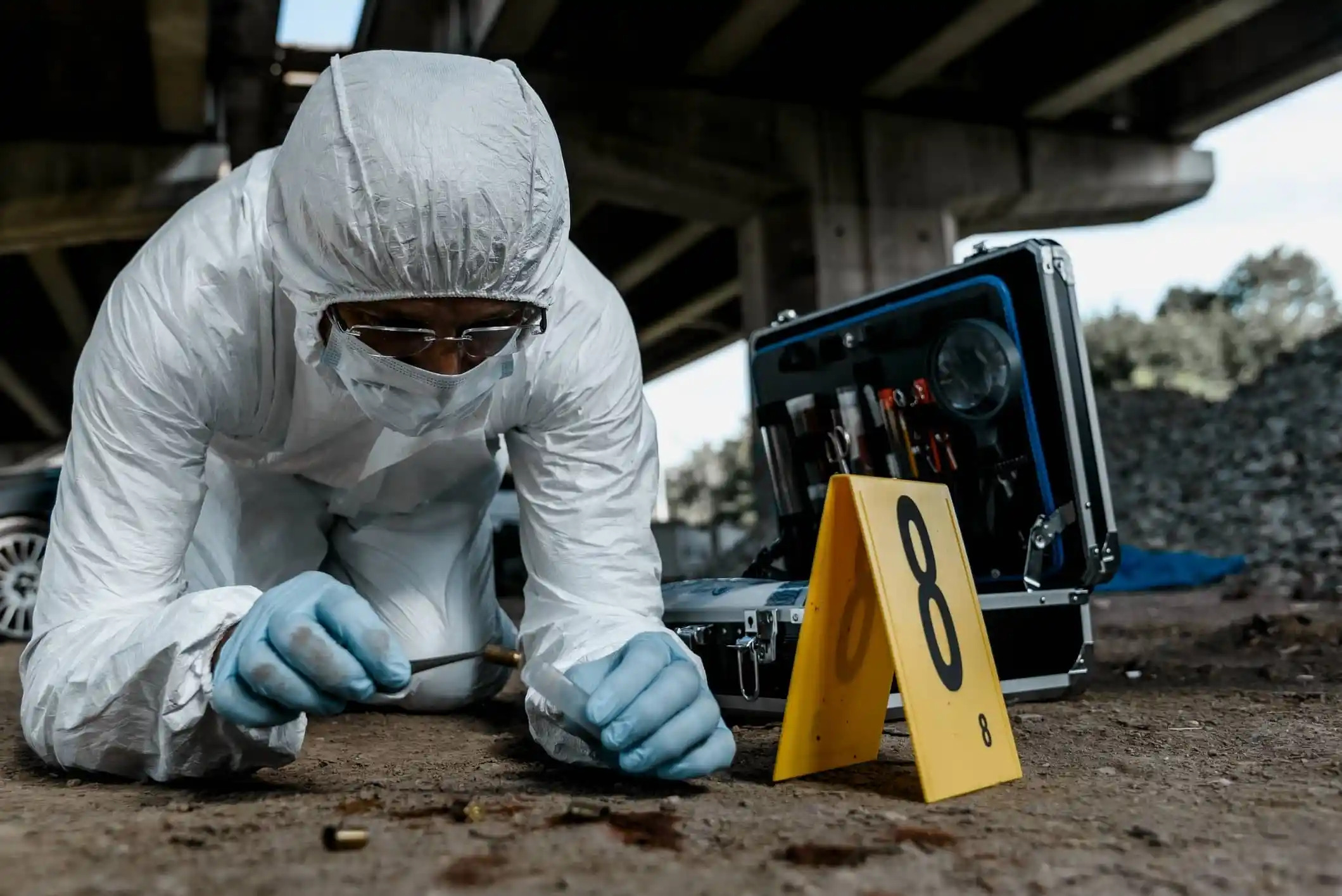
Historically, crime scene investigations revolved around physical traces like fingerprints or fibers. Today, technology has broadened these confines to include digital landscapes, with smartphones and laptops revealing crucial timelines and communications. Devices can pinpoint a suspect's location history or unveil communication records, enriching traditional narratives. This shift leads investigators to not just preserve physical environments but also secure digital evidence, such as network data or smartphone content, ensuring that crucial digital clues are protected from tampering or loss. The intricate weaving of physical and digital evidence paints a comprehensive picture, allowing investigators to reconstruct the crime with unprecedented clarity.
This evolution is supported by methodologies outlined in resources such as the FBI Laboratory Services' rapid DNA profiling techniques and the digital evidence recovery practices from the National Cyber-Forensics and Training Alliance. These are pivotal in understanding the broader context of a crime scene. For instance, the FBI's rapid DNA profiling can promptly identify individuals, streamlining an investigation's initial stages.
Empowering Traditional Methods with New Tools
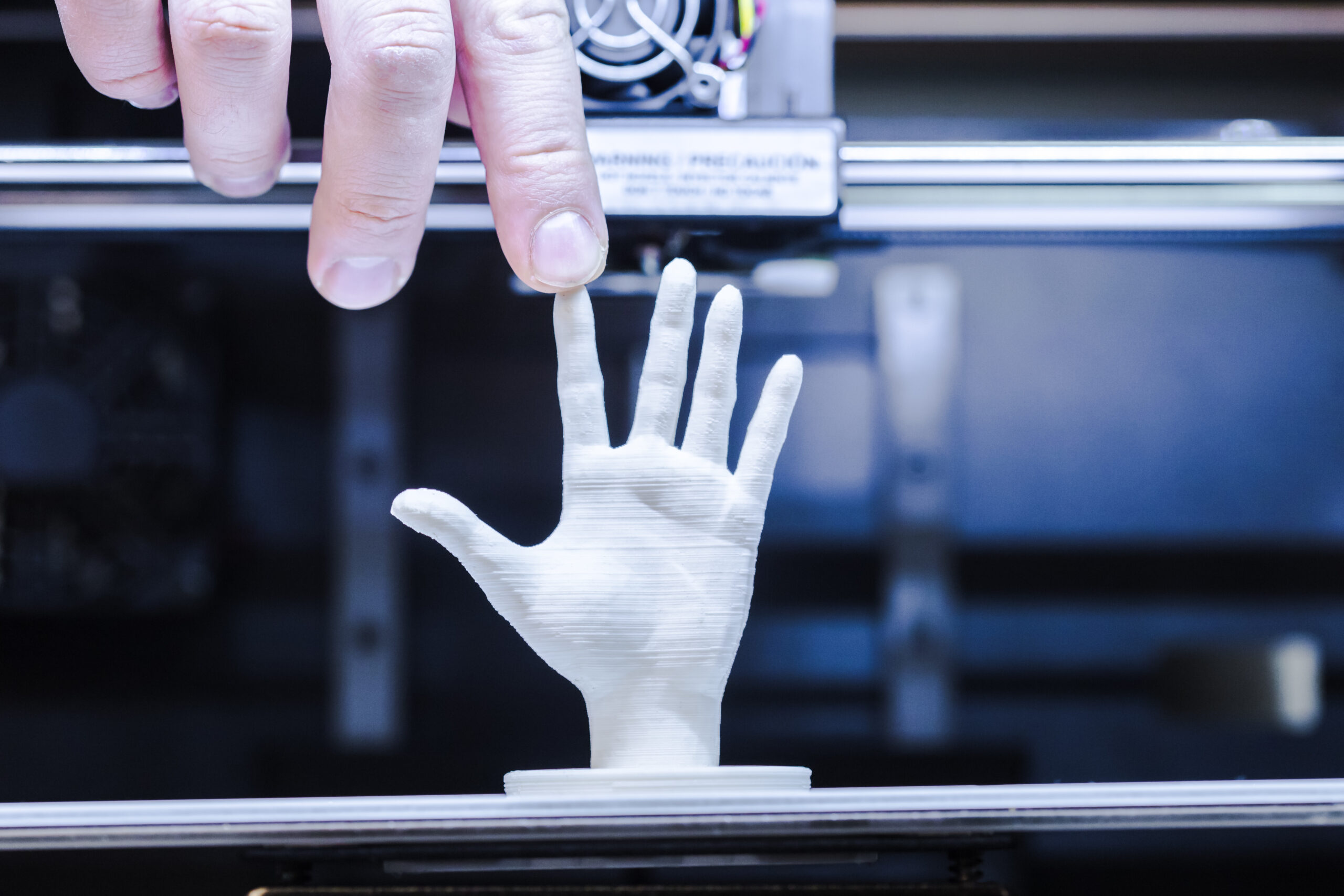
Traditional forensic techniques like fingerprinting and ballistics continue to receive significant enhancements through digital tools, magnifying their effectiveness. Cutting-edge technologies like 3D imaging and database-aided fingerprint analysis streamline investigative processes, accelerating the delivery of justice.
Take fingerprint analysis, for instance. Previously a meticulous, manual task, modern databases now allow rapid cross-referencing against millions of records. The integration of high-definition imaging means complex crime scenes can be digitally recreated, offering a permanence that physical models could never achieve. Armed with tools like these, investigators can revisit crime scenes virtually, proposing theories and testing them in a controlled environment, without the risk of disturbing evidence. These technological advancements reduce the likelihood of human error, ensure data integrity, and drive faster, more reliable conclusions in forensic investigations.
Exploring the World of Digital Forensics
With the pivotal role technology plays in our lives, the standards for evidence collection and analysis have evolved. As digital traces become integral, the techniques used in forensic science have adapted to preserve the integrity of electronic data.
Digital Device Investigation: Beyond the Screen
The world of digital forensics revolves around understanding and interpreting data from electronic devices in a legally sound manner. The challenge lies in handling this data to maintain its integrity and prevent complications in legal proceedings. As devices multiply, so do the strategies to manage their data intricacies.
Digital forensic analysts, much like detectives of the past, sift through layers of data to uncover truths. From text messages to web histories, these digital archaeologists piece together narratives that could otherwise remain hidden. Key to this is ensuring that original data remains untampered by creating "forensic images" or exact digital replicas, thus preserving the authenticity of evidence throughout investigations. Their process often involves untangling complex data webs or recovering seemingly lost information, ensuring that no digital stone is left unturned.
Navigating the Complexities of Digital Evidence
The necessity to secure and interpret digital evidence has led to the evolution of specialized fields and powerful new tools. As malicious digital activities rise, forensic specialists delve into sophisticated cyber landscapes to uncover hidden traces of wrongdoing. Ensuring the authenticity of digital content, like verifying whether images or messages have been manipulated, remains a pressing challenge.
Recent developments in tools for authenticating digital media have underscored the growing sophistication of forensic methods. Across industries, breakthroughs such as mobile device forensics, supported by agencies like the National Cyber-Forensics and Training Alliance, spotlight the integration of new technology in investigative workflows. These tools provide intricate detail, enabling analysts to trace digital footprints or identify sources of cybersecurity threats. As investigators refine their methods and tools, the quest to maintain the integrity of digital evidence becomes paramount, ensuring that emerging digital testimonies remain credible and admissible in court.
Integrating Modern Techniques: Bridging Gaps for Comprehensive Analysis
The exponential growth of technology impacts every element of forensic science, introducing novel complexities and conundrums that drive the need for collaborative efforts and an agile approach to investigation.
Pioneering Collaborative Investigations
The scope of forensic science today extends beyond the capabilities of any single investigator or discipline, necessitating teamwork and cross-disciplinary integration. The classic vision of a lone detective is replaced by networks of specialists collaborating to solve intricate crimes. This multidisciplinary synergy between digital and traditional methods fosters more sophisticated investigative approaches.
Forensic teams now comprise a variety of experts: DNA analysts collaborate closely with data technologists, and traditional crime scene examiners work alongside digital forensic investigators. This cocreation breaks down silos, promoting a holistic understanding of evidence. Such collaboration is imperative for translating data insights into actionable narratives, contributing to a more conclusive and detailed examination of crime cases. Through this merging of fields, a richer tapestry of evidence emerges—one that reconciles diverse perspectives and specialties, leading to more encompassing and effective results in criminal investigations.
The Ethical and Legal Dimensions of Forensic Advancements
Modern forensic practices drive home the importance of ethical considerations and legal frameworks as they adapt to the rapidly advancing technological landscape. Ensuring fairness, transparency, and adherence to justice in light of new tools is essential, demanding ongoing assessment and regulatory adjustments.
The adoption of new technologies in forensic science necessitates a conversation surrounding ethics and accountability. Challenges such as data privacy, the potential for bias in algorithmically-driven analyses, and the transparency of complex techniques underline the need to keep human rights at the forefront. As legal systems integrate advanced forensic techniques, establishing governance frameworks becomes imperative, ensuring that these methods strengthen rather than compromise the foundations of justice. Balancing innovation with the preservation of civil liberties will maintain the judicial process's integrity in an increasingly digital age.
Ultimately, as we navigate this nexus of traditional and digital forensic methods, the pursuit of truth continues. The evolving landscape emphasizes both the intricacies of modern tools and the timeless need for justice, guiding forensic science toward a future rich in possibilities and potential.
Q&A
-
What is the role of DNA analysis in crime-scene investigation?
DNA analysis plays a critical role in crime-scene investigations by providing a means to identify or exonerate suspects through genetic material found at the crime scene. It helps establish a biological link between a suspect and the crime, offering reliable evidence that can be used in court. Additionally, DNA profiles can be compared with national databases to find matches with known offenders or missing persons.
-
How does fingerprint identification contribute to solving crimes?
Fingerprint identification is a fundamental tool in forensic science that assists in solving crimes by matching prints found at a crime scene with those in databases of known individuals. The uniqueness of fingerprints allows law enforcement to confirm the presence of a suspect at a crime scene, thus linking them directly to the criminal activity. This method is widely regarded for its accuracy and reliability in criminal investigations.
-
What are toxicology tests and how are they used in forensic investigations?
Toxicology tests are analyses conducted to detect the presence of drugs, alcohol, poisons, and other chemicals in biological samples such as blood or urine. In forensic investigations, these tests help determine the cause of death, identify substances that may have impaired a suspect or victim, and provide insight into a person's state at the time of a crime. Toxicology results are crucial in cases involving suspected overdoses, poisonings, and substance abuse.
-
In what ways does forensic anthropology assist in crime-scene investigation?
Forensic anthropology involves the study of human skeletal remains to determine the identity, cause of death, and other important details about deceased individuals. In crime-scene investigations, forensic anthropologists can help identify victims by analyzing bones for age, sex, ancestry, and any signs of trauma or disease. This information is vital in cases where bodies are decomposed, burned, or otherwise unrecognizable.
-
Why is digital evidence increasingly important in modern forensic investigations?
Digital evidence is becoming increasingly important due to the pervasive use of technology in everyday life. It includes data from computers, mobile phones, and online activities that can provide crucial information about a suspect's actions, communications, and whereabouts. Investigators use digital evidence to uncover motives, track criminal activities, and gather evidence that may not be obtainable through traditional means. This type of evidence is crucial in cases involving cybercrime, fraud, and other technology-related offenses.