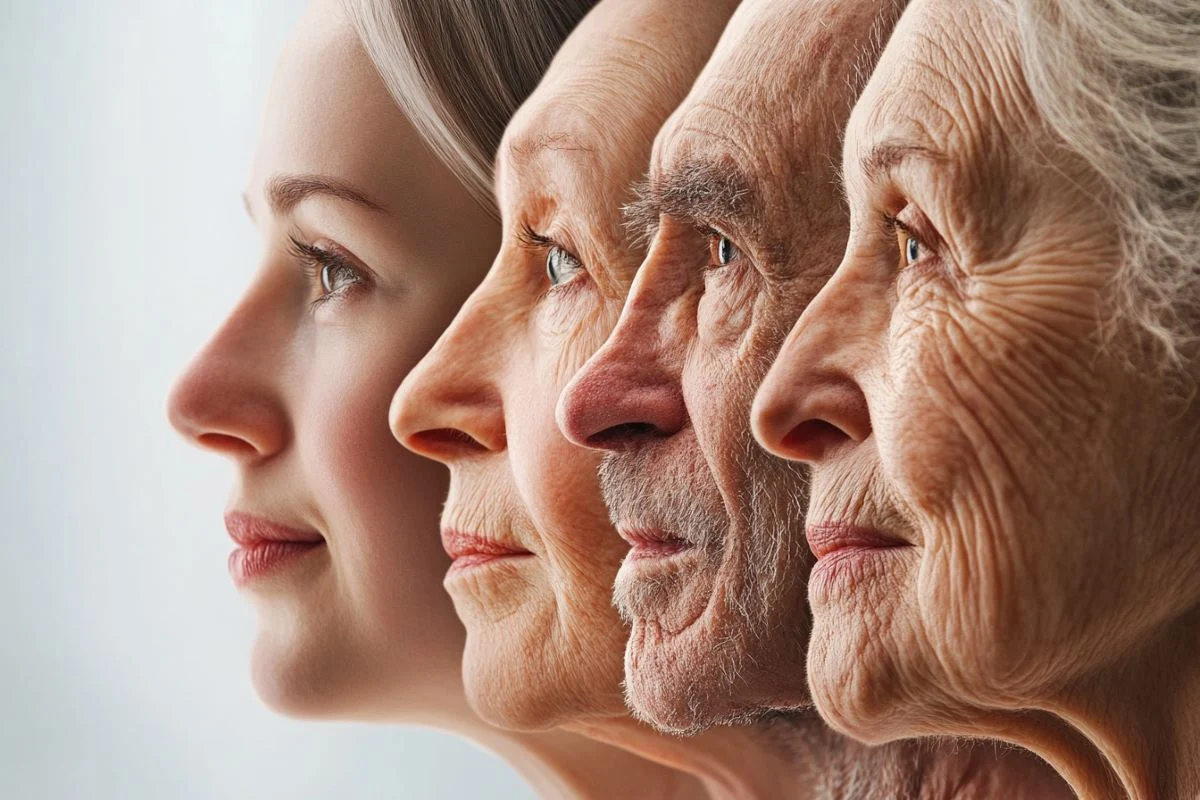
The Intricate Dance of Our Cells
The process of aging is much more than just the inevitable march of time. It is a complex dance of changes occurring deep within our cells. Each component, from our DNA to cellular structures like telomeres, plays a crucial role in determining how we age. By peering into these cellular transformations, we can unlock strategies to extend our healthy years.
Cellular Dynamics and Their Impact
Our understanding of cellular aging starts with recognizing that cells lose their functionality over time. This loss is not random; it follows a pattern driven by specific biological changes. According to research, components like telomeres—protective DNA sequences at the ends of chromosomes—play a pivotal role. These telomeres shorten each time a cell divides, acting like a countdown clock that eventually leads to cellular senescence when they become critically short.
Beyond telomere attrition, oxidative stress contributes significantly to cellular aging. It results from an imbalance between free radicals—unstable molecules that can damage cells—and antioxidants, which neutralize these radicals. Over time, oxidative stress can lead to tissue degeneration and increase the likelihood of age-related diseases. Cellular aging is not just about a single factor but the interplay of many, which collectively drive the physical manifestations we associate with getting older.
Telomeres and Their Protective Role
Telomeres serve as guardians at the DNA frontier, ensuring our chromosomes remain intact during cell replication. Imagine them as the plastic tips on shoelaces that prevent fraying; without them, our genetic material would be vulnerable to degradation. Research reveals that individuals with longer telomeres often enjoy better health and longevity, while critically short telomeres have been linked to multiple age-related conditions.
Every time our cells divide, telomeres shorten slightly. Eventually, this gradual shortening can lead the cell to stop dividing or become dysfunctional—a state known as senescence. Senescent cells can release inflammatory signals that contribute to tissue aging and disorders. Therefore, maintaining telomere length is crucial for cellular health and longevity. By intervening in how telomeres are maintained, we could potentially slow the aging process and extend healthy lifespan.
The Protective Power of Antioxidants
Antioxidants are crucial players in the fight against the cellular deterioration caused by oxidative stress. Found in a variety of foods, including fruits, vegetables, and nuts, antioxidants neutralize free radicals by donating an electron, stabilizing these reactive molecules. This action prevents chain reactions that could damage cell membranes, proteins, and DNA.
Incorporating a diet rich in antioxidants can thus significantly influence cellular health. Studies suggest that consistent intake of antioxidant-rich foods may slow down cellular aging and reduce the risk of age-related diseases. The synergy between antioxidant consumption and telomere protection illustrates how lifestyle interventions can mitigate biological aging processes. By recognizing the role that antioxidants play in cellular health, individuals can adopt dietary strategies that support longevity.
Disease and Longevity: Understanding the Puzzle
As we age, certain diseases become more prevalent, not just because of time but due to underlying cellular changes. Understanding how these diseases relate to aging can shed light on ways to improve health and longevity, potentially altering how we think about aging itself.
The Genetics of Age-Related Diseases
Age-related diseases such as Alzheimer's, cardiovascular diseases, and osteoporosis can be traced back, in part, to molecular changes occurring over a lifetime. These diseases are not merely consequences of old age but indicate specific deterioration patterns at the cellular level. For instance, damage to DNA repair mechanisms or mitochondrial dysfunction can escalate these conditions.
The cellular blueprint, which experiences genetic wear and tear over time, underpins these degenerative processes. Exploring the genetic architecture of such diseases offers key insights into potential interventions. Understanding these aspects could pave the way for treatments that target undermining processes rather than just symptoms, leading to healthier, more sustained aging.
Safe-Guarding Against Cellular Decline
MIT researchers have found that ensuring proper mitochondrial function is essential for cellular health. Mitochondria, the cell's powerhouse, play a critical role in energy production. Yet, they are particularly susceptible to oxidative damage, which can have cascading effects on cell efficiency and vitality. This damage can initiate widespread cellular stress, often culminating in diseases.
Actively protecting mitochondrial function through nutrition and lifestyle choices can have a profound effect on longevity. Certain nutrients, like Coenzyme Q10, and lifestyle habits, including regular physical activity, have been shown to revitalize mitochondrial function. Thus, by focusing on cellular energy production, we can preserve tissue function and mitigate age-related decline.
Lifestyle Choices for a Healthier Lifespan
While we cannot alter our genetic makeup, our lifestyle choices can significantly influence how we age. The daily decisions we make about what we eat, how much we move, and how we manage stress are pivotal in shaping our health as we age.
Nutrition: Fueling Longevity
Nutrition plays a foundational role in promoting health throughout the aging process. Diets rich in fruits, vegetables, lean proteins, and healthy fats are associated with reduced chronic disease risk and longer lifespan. Whole foods are packed with antioxidants, anti-inflammatory agents, and essential nutrients that are vital for maintaining cellular health and supporting metabolic functions.
Nutritional components like omega-3 fatty acids, found in fish and flaxseeds, are known to reduce inflammation and support brain health. Concurrently, polyphenols in berries and green tea catechins enhance antioxidant defenses. By prioritizing these components, individuals can fuel their bodies with ingredients that not only maintain current health but actively promote longevity.
Movement: The Catalyst for Health
Regular physical activity is strongly correlated with improved health outcomes and extended lifespan. Exercise not only supports cardiovascular health and muscle strength but also promotes the production of endorphins and hormones that protect brain function. This dual benefit makes it a frontline defense against both physical and cognitive decline.
Moreover, exercise enhances mitochondrial health and efficiency, thereby improving cellular energy production. By integrating regular movement into daily routines—be it through walking, cycling, or yoga—individuals can bolster their cellular resilience and improve their quality of life.
Managing Stress and Recovery
Chronic stress has far-reaching implications for aging, negatively impacting everything from cardiovascular health to immune function. High levels of stress can accelerate telomere shortening and increase oxidative damage, necessitating strategies for mitigation.
Body-mind practices like meditation, deep breathing, and mindfulness have demonstrated effectiveness in reducing stress. Adequate rest and quality sleep are also crucial, allowing the body to repair and regenerate overnight. By prioritizing stress management and recovery, we invest in a longer, healthier life, enhancing our overall resilience.
The Holistic Approach to Aging
A holistic approach to aging considers the body as an interconnected system where every choice impacts overall health. By focusing on cellular health, we can address the root causes of aging and create strategies that support longevity.
Integration of Diet, Exercise, and Mental Health
By integrating balanced nutrition, regular activity, and mental well-being, we can build a comprehensive foundation for sustained health. This proactive approach allows us to influence biological processes at the cellular level, potentially delaying the onset of age-related diseases.
The balance among these lifestyle factors is critical; each reinforces the others. Nutrition provides essential building blocks, exercise enhances cellular function, and mental health practices protect against stress-related damage. In unison, these elements form a powerful strategy for enhancing life quality and extending healthspan.
Fostering a Supportive Environment
Finally, we must acknowledge the importance of a supportive environment in navigating aging. Communities that promote active living, provide accessible healthcare, and encourage social engagement are critical in supporting these goals.
Fostering environments that facilitate these healthy choices ensures that individuals have the resources and opportunities needed to maintain health and vitality throughout their lives. Together, individual efforts and supportive community actions weave the tapestry of aging well, ensuring that we not only add years to life but life to years.
This intricate dance through the years is more than a personal journey—it's a collective effort to unlock the secrets within our cells, transform our approach to aging, and embrace vitality at every stage of life.
Q&A
-
What is cellular aging and how does it relate to age-related diseases?
Cellular aging refers to the gradual deterioration of cell function over time. This process is closely linked to age-related diseases because as cells lose their ability to function properly, the body's systems can become compromised, leading to conditions such as Alzheimer's, cardiovascular diseases, and type 2 diabetes. -
How do telomeres influence longevity and cellular aging?
Telomeres are protective caps at the ends of chromosomes that shorten with each cell division. When they become too short, the cell can no longer divide and becomes senescent or dies. This shortening process is a key factor in cellular aging and is closely studied in longevity research as maintaining telomere length may contribute to a longer, healthier lifespan. -
What role do antioxidants play in combating cellular aging?
Antioxidants help protect cells from damage caused by free radicals, which are unstable molecules that can accelerate cellular aging. By neutralizing free radicals, antioxidants can reduce oxidative stress, potentially slowing down the aging process and lowering the risk of age-related diseases. -
How is longevity research aiming to extend healthy lifespan?
Longevity research focuses on understanding the biological mechanisms of aging and finding ways to extend the healthy years of life. This includes studying genetic factors, lifestyle interventions, and potential therapies that target cellular aging processes, such as enhancing telomerase activity or developing drugs that mimic the effects of caloric restriction. -
Can lifestyle choices influence cellular aging and longevity?
Yes, lifestyle choices such as a balanced diet rich in antioxidants, regular physical exercise, and stress management can positively influence cellular aging. These choices may help maintain telomere length, reduce oxidative damage, and support overall health, potentially extending both lifespan and healthspan.