The Art of Seeing: Transformative Power of Visual Interpretation
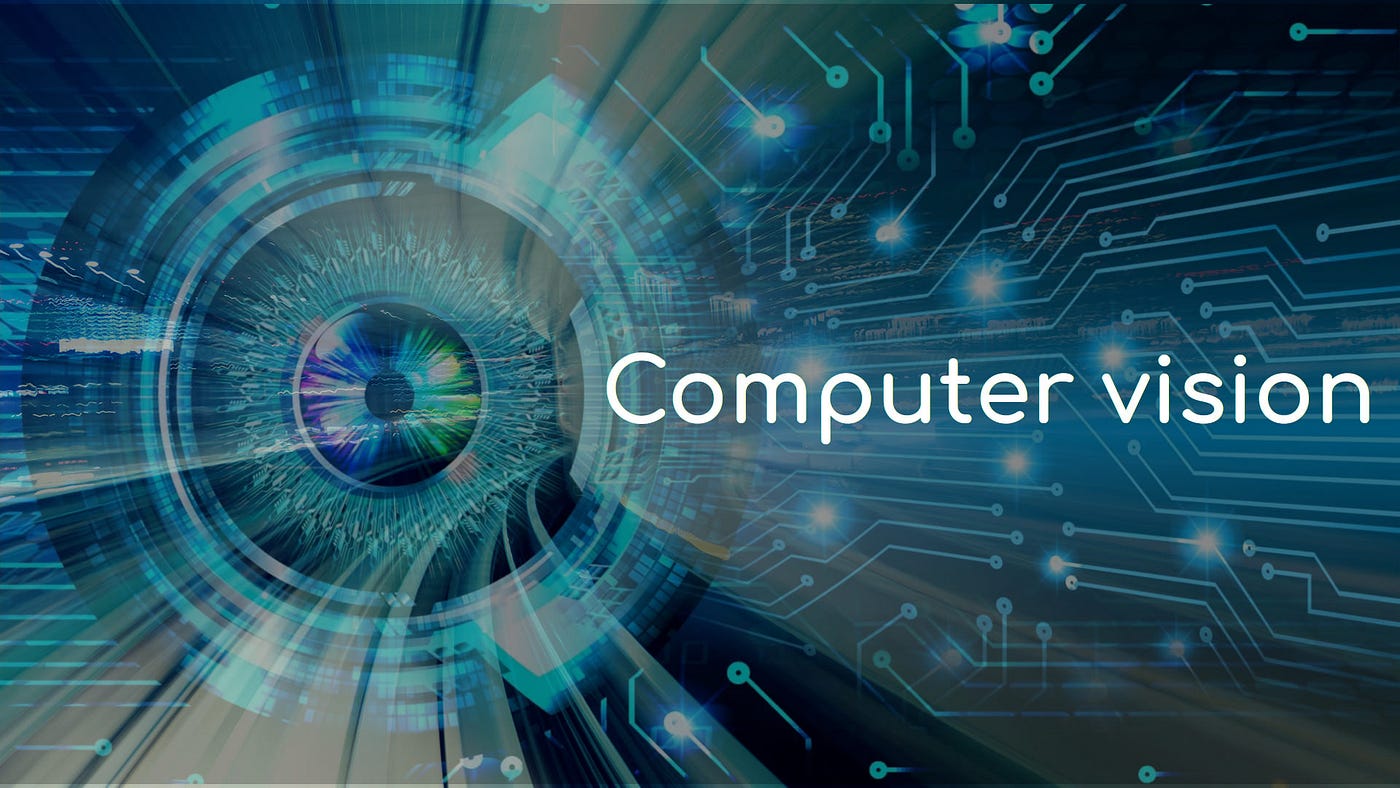
At its core, visual interpretation involves training computers to process and understand visual information as accurately and efficiently as humans. This transformative ability is now integral to many technologies, enabling them to interact more seamlessly with the world.
How Machines Learn to See
Machine vision leverages vast datasets, consisting of millions of images, to train neural networks—complex systems that mimic the human brain's ability to recognize patterns. Each image serves as a learning example, labeling various contents such as animals, vehicles, or specific individuals. Advanced algorithms identify minute details in images, like edges and textures, to develop a comprehensive understanding that goes beyond simple identification. These systems are not just about efficiency; they aim to rival human comprehension in interpreting new, unseen visuals. By progressively learning from intricate architectures like ResNet and VGG, computers can accurately predict and understand visual content, enabling everything from detecting security breaches to diagnosing medical conditions.
From the Cloud to Your Device
Initially, the computational power needed for complex visual tasks relied heavily on centralized servers in the cloud. However, the evolution towards decentralized, "edge" computing represents a paradigm shift. Devices can now process images internally, offering speedier reactions while minimizing data privacy concerns. Specialized processors designed for image tasks allow even compact devices to perform intricate computations on-site. This capability is crucial in diverse domains, providing real-time feedback and increasing reliability, especially in remote areas without constant internet access. As a result, intelligent vision is increasingly accessible, transforming devices into smarter, more secure, and reliable companions.
A World of Applications
The impact of image interpretation extends across various fields. In personal gadgets, it supports biometric systems for security and personalized user experiences. In retail, it creates seamless shopping by identifying products in real-time. Industrial applications utilize sophisticated cameras to detect production flaws, improving quality assurance. Beyond individual benefits, this technology underlies complex autonomous systems, endowing machines with 'vision' to navigate and interact within their environments. In agriculture, drones equipped with camera systems monitor crop health, optimizing resource use and yields. This ability to interpret visual data is set to become a silent yet crucial asset across numerous aspects of life and industry, enhancing efficiency and safety in everyday operations.
The Intersection of Healthcare and Visual Understanding
The healthcare sector is witnessing a breakthrough with the integration of sophisticated visual systems. By enhancing the interpretation of complex medical images, these technologies deliver new, high-precision tools for diagnosis and patient care.
A New Era in Diagnostics
Medical professionals have long relied on imaging technologies like MRIs and CT scans for diagnosis. Now, intelligent systems augmented by AI are transforming these practices. By analyzing extensive image datasets, these systems are proficient at identifying diseases at their earliest stages. When doctors use these tools to inspect things like brain scans, the AI can highlight areas that deviate from the norm—effectively acting as a vigilant assistant. It's sophisticated integration enhances diagnostic speed, accuracy, and reliability, paving the way for more innovative and responsive healthcare solutions. The time saved in diagnosis can mean a crucial difference in treatment effectiveness.
Enhancing the Pathologist's Workflow
In pathology, the analysis of tissue samples has traditionally been time-consuming and subject to human variability. Digital pathology systems are now revolutionizing this field. They enable the scanning of entire slides to create high-resolution digital images, which are then scrutinized by algorithms capable of identifying cellular anomalies autonomously. This method ensures unbiased, consistent results and allows pathologists to focus on intricate cases that require human intuition, thereby amplifying productivity and diagnostic precision. This synergy between human expertise and automation is transforming pathologists' roles, enabling them to provide better patient outcomes while handling higher caseloads efficiently.
Beyond Pixels: Comprehensive Analysis
Going beyond simple pattern recognition, systems with advanced scene understanding analyze entire images in their anatomical context. For example, they can differentiate between various organs in a chest X-ray and interpret spatial relationships for more accurate diagnoses. This holistic approach allows for profound insights into medical data, evolving AI from a mere tool to a collaborative clinical partner. The advanced understanding of visual data translates into actionable insights that lead to improved patient care, showcasing AI's potential in boosting healthcare standards and widening access to quality medical attention.
Intelligent Systems: Key Innovations and Their Impact
Emerging technologies in AI have launched a revolution across numerous industries. By merging with leading sectors like automotive, these advancements redefine operational paradigms and unlock new efficiencies.
The Transformation in Transportation
Autonomous vehicles illustrate the hallmark of applying visual data to modern challenges. By integrating diverse sensors, including cameras and radar, these vehicles create a coherent representation of their surroundings. This combined sensory data enables the navigation of intricate traffic scenarios with enhanced safety. Vehicles learn and adapt continually, allowing them to react to ever-changing environments proactively. This dynamic learning results in safer, more reliable transportation systems that evolve with each experience, bringing us closer to fully autonomous transit solutions.
The Personal Dimensions of Visual Technology
In our daily lives, facial recognition technology offers security and personalization by recognizing identities and preferences. Advanced systems go beyond recognizing individuals, analyzing expressions and emotions for intuitive user interactions. This capability extends to enhancing creative outputs in animation and adapting software interfaces according to user engagement. As technology becomes more attuned to human needs, our interactions with digital devices become seamless and more engaging, transforming customer experiences across sectors.
Boundless Applications
Image recognition is essential in countless other fields, from retail to conservation. In retail, it empowers seamless operations by enabling automated checkout and inventory management, effectively optimizing shopping experiences. In environmental conservation, aerial imagery helps track wildlife and assess ecosystem health, promoting sustainable practices. The underlying technology promises a future where visual insight is seamlessly integrated into operations, enhancing efficiency and insight across industries. This innovation serves as a catalyst for streamlined processes and progressive environmental stewardship.
Bridging the Gap: Intelligent Visualization and Healthcare Innovations
The visualization capabilities of AI find profound applications within the healthcare industry, acting as a crucial link between medical insights and practical interventions.
Revolutionizing Healthcare with AI
AI's significant impact is evident in healthcare diagnostics, wherein visual data processing elevates medical practices. Systems analyze vast amounts of imaging data with precision, identifying early-stage illnesses swiftly and reliably. This collaboration between computed insights and clinical expertise sets new care standards, guiding responsive treatments tailored to patient conditions and elevating clinical outcomes.
Ambitions Beyond the Hospital Setting
The influence of advanced imaging technology extends far beyond hospital environments. Telemedicine and remote monitoring benefit from AI's capability to provide accurate, data-driven insights beyond physical consultations. Wearable tech continuously assesses patients' conditions, alerting physicians to any anomalies instantaneously. This forward-thinking approach transforms healthcare into a dynamic, accessible service, ultimately broadening patient access and engagement in proactive health management.
Security and Future Prospects
As AI becomes integrated into healthcare, securing sensitive data is an absolute priority. Advanced biometric systems offer intricate security measures, safeguarding patient information through complex identification processes. Additionally, the alliance between AI and surgical robotics augments clinicians' precision during complex procedures, showcasing AI's capability to enhance human skills while redefining medical interventions. As these advancements converge, the potential to revolutionize care rises—propelling the healthcare industry toward a new era of precision and well-being.
In reflecting upon these narrative threads, it becomes clear that the intersection of image recognition, scene understanding, and intelligent systems heralds an era where the integration of technology improves efficiency, safety, and personal interactions across myriad aspects of daily life. From healthcare to autonomous transport, these technologies are not just reshaping industries but also enhancing the tapestry of our daily experiences. With continuous advancements, the future promises enhanced engagement with the world around us, leading to a more connected and intelligent reality.
Q&A
-
What is the role of image recognition in autonomous vehicles?
Image recognition in autonomous vehicles is crucial for enabling these vehicles to interpret and understand their surroundings. It helps in identifying objects like pedestrians, other vehicles, traffic signs, and road conditions. This technology ensures that autonomous vehicles can make informed decisions in real-time to navigate safely and efficiently.
-
How is object detection different from image recognition, and why is it important?
Object detection not only identifies objects within an image but also provides their precise locations through bounding boxes. Unlike image recognition, which classifies the entire image, object detection is essential for applications requiring spatial information, such as robotics, surveillance, and autonomous driving, where understanding the exact position of objects is crucial for interaction and navigation.
-
What are the applications of facial analysis beyond security?
Beyond security, facial analysis is used in various fields such as marketing, where it helps in understanding consumer reactions to products and advertisements. In healthcare, it aids in diagnosing mental and emotional states by analyzing facial expressions. Additionally, it is used in personalized user experiences, such as unlocking devices and tailoring content recommendations.
-
How does scene understanding contribute to medical imaging?
Scene understanding in medical imaging involves interpreting complex medical images to identify and analyze specific anatomical structures or pathological conditions. This technology assists radiologists in diagnosing diseases by providing clearer insights into the images, improving accuracy, and speeding up the diagnostic process, ultimately enhancing patient care.
-
Why is scene understanding critical for autonomous vehicles?
Scene understanding allows autonomous vehicles to comprehend the overall context of their environment, including dynamic elements like moving vehicles and static elements like road signals. This comprehensive understanding is critical for making informed navigation decisions, avoiding obstacles, and ensuring the safety of passengers and other road users.