Nature's Blueprint: Drawing Inspiration from the Wild
In our quest for a more sustainable future, nature has become the most reliable guide. By observing the efficiency and resilience of natural ecosystems, architects and engineers are crafting buildings that harmonize with their surroundings. This approach, termed biophilic or bio-inspired design, emphasizes creating structures that behave more like living systems—integrating with rather than impeding their environment.
The Wisdom of Natural Materials
Traditional construction materials like concrete and steel, despite their strength, have heavy environmental tolls. Today, a shift towards bio-based materials—such as compressed wood fibers and fungi-based insulation—is reducing carbon footprints. These materials not only store carbon over their lifetimes but also bring a tactile warmth to interiors, reminiscent of the natural world.
Bio-based materials are crucial for advancing a circular economy. The goal is to design products for disassembly, allowing materials like wood and bamboo to be reused or naturally decomposed at their lifecycle's end. This practice aligns with how nature repurposes resources, mirroring a forest where leaves fall and enrich the soil.
Mimicking Ecosystems for Efficiency
Natural ecosystems operate with unmatched efficiency, where waste is nonexistent. Applying this principle to architecture involves designing buildings that interact dynamically with their environment. For instance, leveraging natural ventilation systems inspired by termite mounds can stabilize indoor climates without extensive energy consumption.
Resource conservation extends to water management. Buildings can mimic the water-cycle efficiency seen in forests by capturing, filtering, and reusing rainwater. Through innovative designs, they're able to adapt to local climates, maximizing sunlight and natural resources to minimize reliance on artificial lighting and mechanical systems. This holistic view sees buildings as systems in dialogue with their environment, enhancing self-sufficiency.
Designing for Health and Harmony
Biophilic design integrates nature into our indoor spaces, which significantly boosts our health and wellbeing. Whether it's a window view of greenery or crafting entire urban biodomes, the presence of natural elements can lead to higher productivity levels, better concentration, and faster recovery times from stress or illness.
This design philosophy also supports biodiversity, integrating native plants and natural spaces into urban environments. By fostering habitats for local wildlife within human developments, architects can turn static structures into vibrant ecosystems that enhance the ecological and social landscape. Homes and cities, therefore, not only shelter us but restore and connect us with the broader ecological community.
Bridging the Gap: Technology Meets Ecology in Modern Homes
The evolution of "smart homes" is shifting from mere convenience to a symbiotic relationship with nature. This involves a synthesis of innovative technologies and sustainable design principles, proving that cutting-edge lifestyles can be environmentally responsible.
New Ways of Building
Construction methods are evolving to reduce waste and improve efficiency. Modular construction, akin to assembling building blocks, constructs parts in a factory setting, ensuring quality and minimizing onsite waste. This precision in prefabrication speeds up the construction process and reduces environmental impact.
3D printing is revolutionizing building with recycled materials, enabling the creation of complex and organic forms while minimizing waste. This technique streamlines the manufacturing process, reducing resource use and allowing for architecture that adapts to specific environmental contexts.
The Rise of Smart, Green Materials
Recycled and advanced materials are redefining the notion of sustainability in construction. By incorporating materials such as repurposed plastics and metals into building components, reliance on raw materials is minimized, aligning with environmental goals.
Innovative materials with enhanced performance characteristics—like self-healing concrete and engineered wood products—extend the sustainability of structures. These developments ensure both ecological responsibility and longevity, requiring minimal maintenance over a building's lifetime.
Intelligent Energy Management
A modern home’s intelligence lies in its energy management system, which seamlessly integrates with daily life. Technologies like smart thermostats adjust climate control based on habits, reducing unnecessary consumption.
Solar panels paired with home batteries contribute to energy independence by optimizing usage and storage of generated power. Such systems also enable homes to supply excess energy back to the grid, encouraging a community-wide shift toward renewable sources and reduced reliance on fossil fuels.
A Home That Breathes with Nature
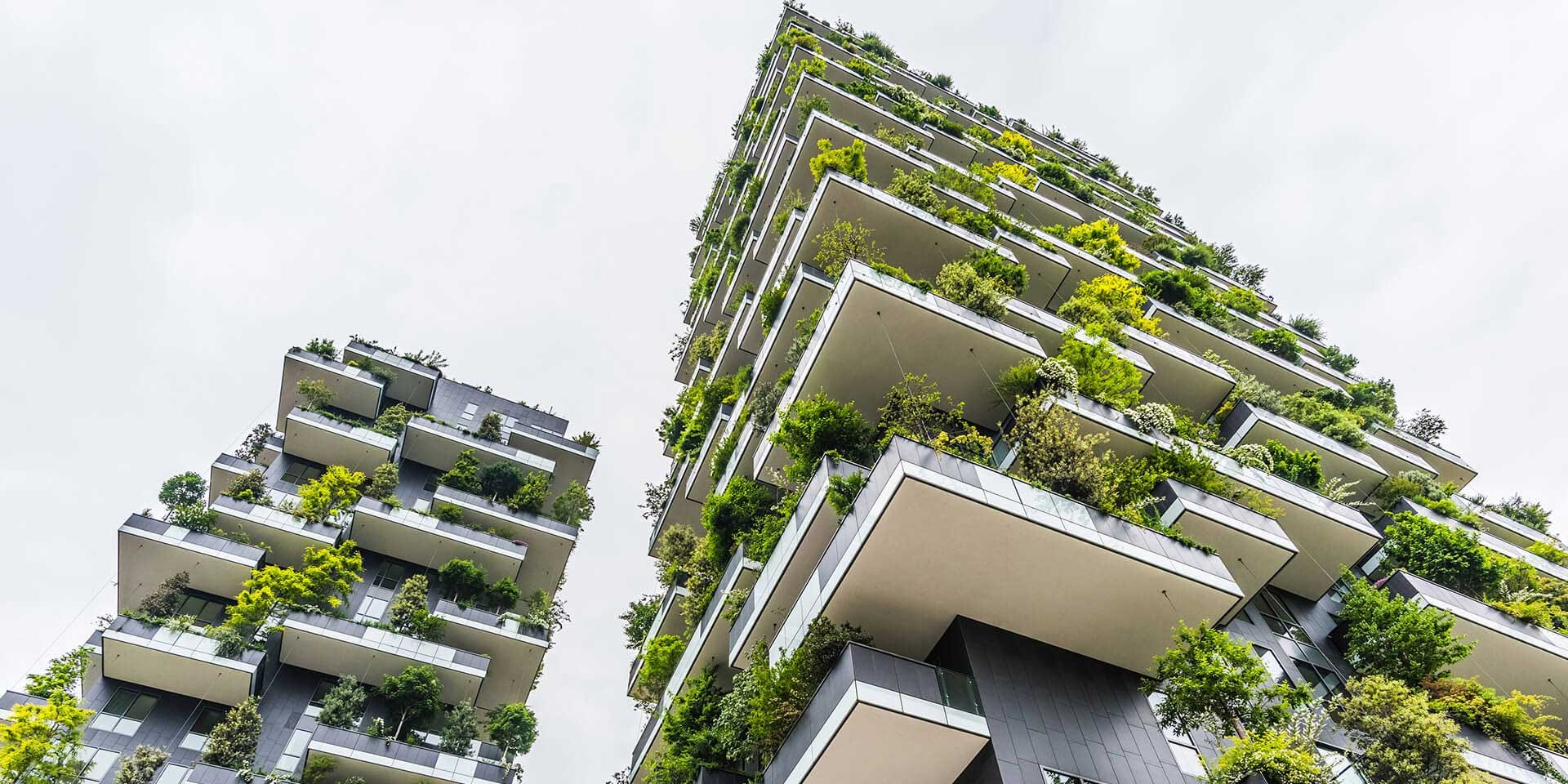
Forward-thinking designs blur the lines between the natural world and our constructed spaces. Green roofs and living walls not only provide ecological benefits but also enhance the aesthetic and thermal comfort of homes.
Passive design strategies are critical, such as using natural shade to reduce cooling needs or optimizing solar gain for heating. By aligning with surrounding environmental rhythms and leveraging natural ventilation, homes become more energy-efficient while fostering a healthier indoor ecosystem.
Eco-Innovation: Redefining Homes with Recycled Wonders
The notion of using waste as a raw building material is transforming our approach to sustainable architecture. By reimagining "trash" as a resource, the built environment becomes an innovative expression of environmental responsibility.
Building Blocks from Bygones
Construction waste offers a wealth of potential for new materials. Recycled aggregates from demolished concrete provide sturdy foundations, while reclaimed wood infuses character and sustainability into new structures.
These practices exemplify the circular economy, where materials from one life cycle begin anew. This reduces landfill contributions and conserves energy, evidenced by how reusing bricks circumvents the energy-intensive process of manufacturing new building components.
Plastic's New Purpose
Turning plastic waste into durable and versatile building materials addresses both environmental impact and design flexibility. The transformation of discarded plastics into building components like panels and tiles prevents them from polluting ecosystems while offering robust and aesthetically adaptable options for architects.
The Genius of Nature's Leftovers
Organic and agricultural waste forms the basis of innovative building materials. Mycelium, when cultivated on organic matter, produces structures that are both fire-resistant and insulating, demonstrating the dynamic potential of life-based materials.
Employing food and agricultural waste in building not only lowers carbon footprints but also represents a regenerative approach, enriching architectural designs while maintaining ecological balance.
A Touch of Sparkle from Scraps
Recycling extends beyond structure to include design elements, adding aesthetic value to sustainable living. Recycled glass creates elegant, durable surfaces for interiors, showcasing how environmental responsibility can coincide with stunning design features.
This creativity highlights the possibility of transforming recycled materials into art, proving that sustainability enhances rather than compromises architectural beauty, setting a new standard for design innovation.
By embracing nature’s strategies and harnessing technological advancements, sustainable architecture is charting a path to buildings that uplift human welfare while respecting natural systems. The future of homes lies not just in sheltering people, but in fostering a regenerative relationship with our environment.
Question and Answer
-
What is the significance of green buildings in sustainable architecture?
Green buildings are designed to reduce the overall impact on the environment and human health by efficiently using energy, water, and other resources. They minimize waste and pollution, enhance indoor environmental quality, and use sustainable materials. By incorporating green building practices, such as using renewable energy sources, efficient HVAC systems, and environmentally friendly construction materials, these structures contribute to reducing carbon emissions and creating healthier living spaces.
-
How does thermal insulation contribute to energy-efficient construction?
Thermal insulation plays a crucial role in energy-efficient construction by reducing the amount of heat that escapes from a building during winter and keeping it cool during summer. This reduces the need for heating and cooling, thereby lowering energy consumption and utility bills. Effective insulation materials, such as fiberglass, foam boards, and reflective barriers, can significantly enhance a building’s energy performance, contributing to sustainable living and reducing the carbon footprint.
-
What are some examples of recycled materials used in modern construction?
Modern construction increasingly utilizes recycled materials to promote sustainability. Examples include reclaimed wood, recycled steel, and concrete, as well as innovative materials like recycled plastic composites used for decking and furniture. These materials not only reduce the demand for new resources but also minimize waste, lower greenhouse gas emissions, and often provide unique aesthetic and structural benefits.
-
How are smart homes contributing to energy-efficient living?
Smart homes integrate advanced technologies to enhance energy efficiency and sustainability. They use systems like smart thermostats, automated lighting, and energy management software to optimize energy use based on occupancy and weather conditions. Additionally, smart appliances and renewable energy sources like solar panels are often integrated to further reduce energy consumption and costs. This not only enhances convenience and comfort but also significantly lowers the environmental impact of residential living.