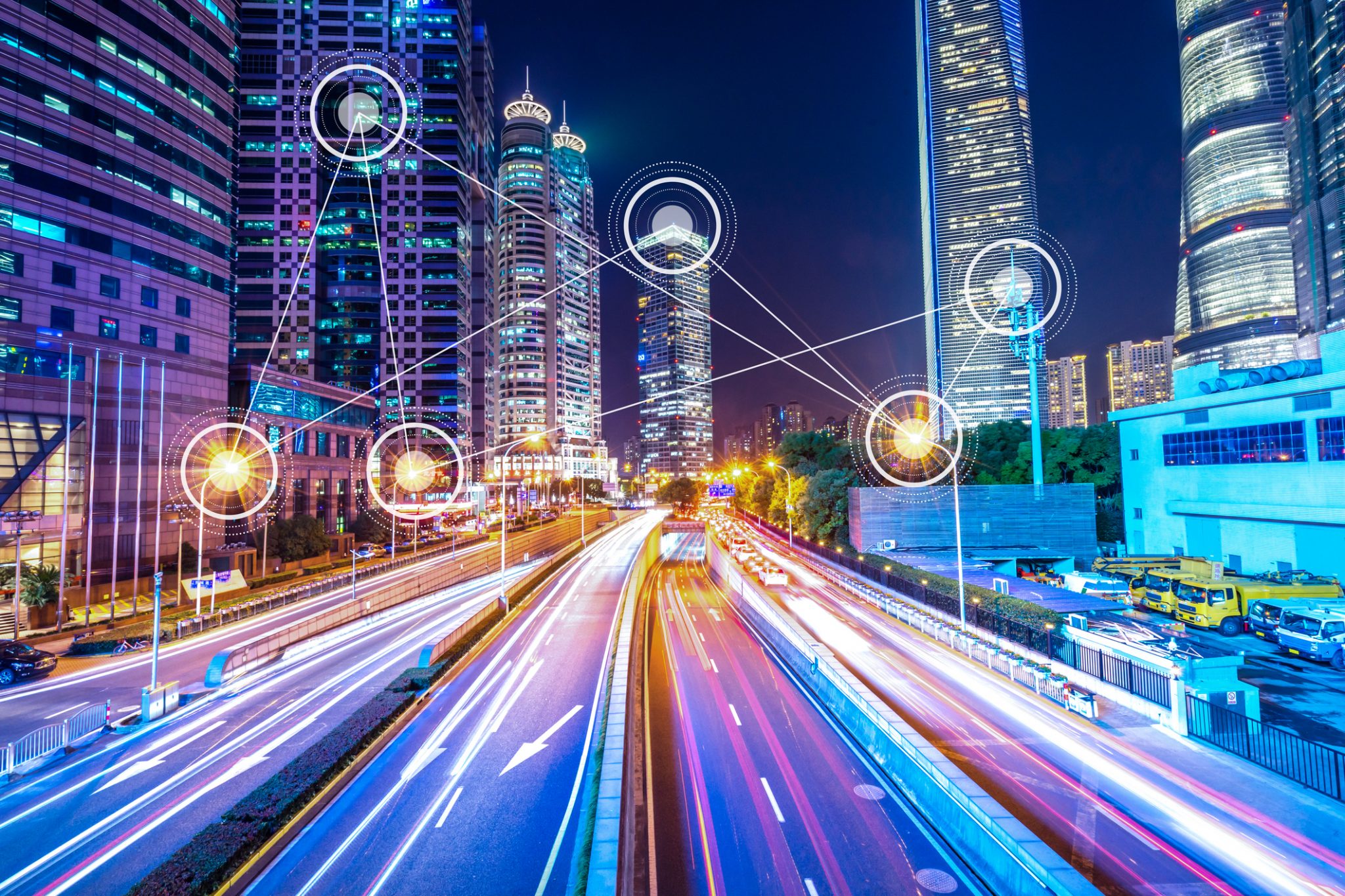
Harnessing Technology for a Future-Forward Urban Lifestyle
The journey toward a more responsive city is powered by the thoughtful integration of advanced digital systems into everyday infrastructure. Far beyond adding new gadgets, it's about creating a cohesive ecosystem where information flows freely to improve services, conserve resources, and empower residents. By leveraging enhanced connectivity, cities can begin proactively shaping more convenient and sustainable futures for all who call them home.
Redefining Urban Mobility for a New Era
For decades, urban mobility has grappled with traffic jams, crowded public transport, and endless parking challenges. The future, however, is about transforming how we move through multi-modal transport systems. The focus is now on creating a diverse, integrated network designed around people rather than cars, prioritizing efficiency, sustainability, and convenience.
Imagine a journey planner that combines data from buses, trains, bike-share programs, and ride services in real time. With a network of sensors and data streams, cities manage dynamic route optimization, adjusting bus schedules based on demand and synchronizing traffic signals to reduce both travel times and emissions. This intelligent mobility approach allows urban planning concepts like the "15-minute life circle," where essential amenities are within a short walk or bike ride, fostering community and active lifestyles. Ultimately, redefining urban mobility is about reclaiming the precious resource of time, reducing stress, and creating more opportunities to enjoy and connect within the city.
Building Greener, Smarter Foundations with Responsive Infrastructure
An advanced city rests on intelligent and sustainable infrastructure that powers daily life, reimagining energy consumption, water management, and construction. By embedding connectivity into these core systems, cities enhance efficiency while minimizing ecological footprints, becoming resilient and environmentally conscious.
Key developments like "green infrastructure" extend beyond planting trees or parks, involving systems that harmoniously integrate with the environment. For instance, smart energy grids balance supply and demand, directing renewable resources efficiently. Buildings with optimized systems for heating and lighting drastically cut energy use. Smart water management detects leaks instantly, conserving resources and preventing damage. Public bins with sensors signal when to be emptied, optimizing waste management.
These systems form "urban nodes," mixed-use hubs integrating residential, commercial, and public services, promoting walkability and transport connectivity. This not only saves resources but enhances life quality with cleaner air, reliable services, and pleasant urban spaces. Responsive infrastructure contributes to technologically advanced and healthier cities, promoting sustainability for future generations.
Empowering Citizens: A Dynamic Urban Relationship
Technology and infrastructure are vital, but a city's essence lies in its people. Successful urban environments actively engage residents in governance, creating a more open, transparent, and collaborative relationship. Transitioning from top-down management, this approach empowers residents to shape their communities, fostering cities that listen and evolve with their insights.
Digital tools drive this civic engagement, allowing residents to report issues like potholes via city apps, ensuring quick resolutions. Beyond issue reporting, platforms enable broad participation with planners sharing proposals online for community feedback and discussions, ensuring development reflects actual desires.
Moreover, analyzing anonymous city data provides insights for equitable decisions, like adding bus routes or street lighting based on neighborhood needs. This data-driven governance bases policies on evidence, not assumptions, enhancing positive impacts. By centering citizens in governance, a more responsive, transparent model emerges, effectively building a city that embraces everyone.
The Heartbeat of Smart Infrastructure: Making Cities Live and Breathe
Urban transformation into efficient, sustainable spaces is powered by digital infrastructure. This framework acts as the city's central nervous and circulatory system, allowing it to monitor and improve public services dynamically. It's a combination of powerful data hubs, fast communication networks, and intelligent systems that enable real-time urban life management.
Data Centers as the Core Engine
Data centers handle the immense flow of information within a smart city, regarded as the city’s brain. Traditionally located in urban centers, they're expanding into development areas with cheaper land and renewable energy access.
With innovations like prefabricated modular builds, data centers are deployed rapidly, scaling as needed. Advanced cooling technologies make them energy-efficient and sustainable, ensuring smart cities grow responsibly, laying foundations for adaptive urban futures.
Seamless Connectivity: The City’s Nervous System
Advanced communication networks serve as a city's nervous system, transmitting information instantly. Technologies like enhanced mobile broadband and the Internet of Things (IoT) enable a connected network of sensors and devices across traffic, public transport, energy grids, and water pipes.
This connectivity supports smart applications enhancing urban life. Connected vehicles, smart grids, and digital "twins" allow optimized system performance and proactive issue management. These digital features transform urban environments into seamlessly connected spaces, ensuring safety and efficiency.
Real-Time Response with Localized Processing
Instant urban system responses require locality-based data processing. Edge data centers bring computing closer, enabling immediate decision-making essential for dynamic environments.
In areas like healthcare or traffic, decentralized processing ensures instantaneous reactions and enhances data sovereignty. This distributed network of processing powers the city’s heartbeat, managing the fluid urban flow with precision and speed.
Intelligent Transport Systems: An Urban Symphony
Smart infrastructure profoundly impacts transportation. Integrating various data sources creates responsive traffic management systems. Vehicles share anonymous data, providing a comprehensive real-time view of urban traffic dynamics.
City managers leverage this data to redesign intersections for safety, optimize signal timing, and reduce emissions and congestion. This harmonious urban transport system optimizes resource use and enhances the urban experience, transforming cities into safer, cleaner, and efficient environments.
Data-Driven Cities: Bridging Infrastructure and Citizen Experience
Cities are ecosystems needing dynamic improvements, not just static buildings. With technology and data, urban centers evolve into harmonious areas responsive to needs. Data integration fosters environments improving life quality, emphasizing a connective symphony between elements serving the whole.
Beyond Numbers: Urban Harmony through Data-Driven Approaches
Moving beyond historical data allows real-time city understanding. This dynamic approach, focused on proactive governance, enhances safety, efficiency, and inclusivity. By integrating data streams from traffic, pedestrian movement, and community feedback, cities become responsive organisms, not rigid machines.
Understanding Movement: Real-Time City Pulse
Traffic management, constrained by static, outdated data, now thrives on real-time information. By using anonymized data, cities can preemptively address safety issues and optimize transport networks, ensuring smoother commutes, efficiency, and reduced environmental impact, leveraging existing urban connectivity.
Processing Information Locally: The City’s Nerve Center
For rapid urban responses, localized processing is crucial. Distributed "nerve centers" enable immediate, localized decision-making, essential for responding instantaneously to urban needs. This decentralized data processing ensures efficient, secure city infrastructure management, accommodating a rapidly connected landscape.
Planning Fairer, Inclusive Spaces with Data
The ultimate data-driven city goal is enhancing residents' lives. Data offers tools for equitable urban planning, revealing hidden disparities and informing investment decisions. By creating opportunities based on community input and real-time feedback, cities ensure equitable resource distribution, fostering inclusivity and fairness.
Designing Connected Communities: The Citizen's Role in Tomorrow's Cities
Creating a connected community goes beyond infrastructure—it's about forming a cohesive social structure. Transitioning from top-down planning to collaborative partnerships engages citizens in designing their environments, ensuring cities are efficient and representative of diverse needs.
Co-Creating Spaces for All
Participation in public space design ensures inclusivity. Collaborative planning involves residents’ input, transforming abstract planning into community-driven projects, creating tailored solutions enhancing the urban experience and community pride for resilient, equitable urban assets.
Empowering Voices with New Tools
Digital tools make participation accessible, ensuring diverse community input in planning. Such tools enhance policy responsiveness and fairness, integrating resident insights into designing resilient infrastructure, driving sustainable progress and community engagement.
Local Ideas to City-Wide Impact
Integration into governance amplifies community engagement, fostering synergy among residents, enterprises, and institutions. By supporting citizen-led initiatives, local authorities promote collaboration, aligning with global goals for a more resilient urban environment, driving collective progress.
Q&A
-
What is Intelligent Transportation and how does it benefit urban areas?
Intelligent Transportation refers to advanced applications designed to provide innovative services related to different modes of transport and traffic management. These systems aim to improve the efficiency, safety, and sustainability of transportation networks. In urban areas, Intelligent Transportation can reduce congestion, enhance public transit systems, and improve emergency response times by utilizing real-time data and communication technologies.
-
How does Utility Management integrate with Connected Infrastructure?
Utility Management involves the administration of essential services such as water, electricity, and waste management. When integrated with Connected Infrastructure, utility systems become more efficient and reliable. This integration allows for real-time monitoring and management of resources, leading to better demand forecasting, reduced waste, and optimized maintenance schedules. Connected Infrastructure enables utilities to respond quickly to issues, minimizing downtime and improving service quality.
-
What role do Public Safety Systems play in Data-Driven Governance?
Public Safety Systems are crucial components of Data-Driven Governance as they provide critical data and analytics for decision-making processes. These systems include surveillance, emergency response, and crime prevention technologies that collect data to enhance community safety. By analyzing trends and patterns, governments can allocate resources more effectively, predict potential threats, and implement proactive measures to safeguard citizens.
-
How does Citizen Engagement enhance the effectiveness of smart city initiatives?
Citizen Engagement is vital for the success of smart city initiatives as it ensures that the needs and preferences of the community are considered in the planning and implementation of projects. By involving citizens in decision-making processes and providing platforms for feedback and participation, cities can foster a sense of ownership and accountability. This engagement leads to more tailored solutions, increased public satisfaction, and stronger support for technological advancements.
-
In what ways can Connected Infrastructure improve environmental sustainability?
Connected Infrastructure enhances environmental sustainability by optimizing the use of resources and reducing the carbon footprint of urban areas. For example, smart grids efficiently distribute electricity, minimizing energy waste. Intelligent water management systems reduce water loss and encourage conservation. Additionally, connected transportation systems promote the use of public transit and electric vehicles, decreasing pollution levels and contributing to cleaner urban environments.