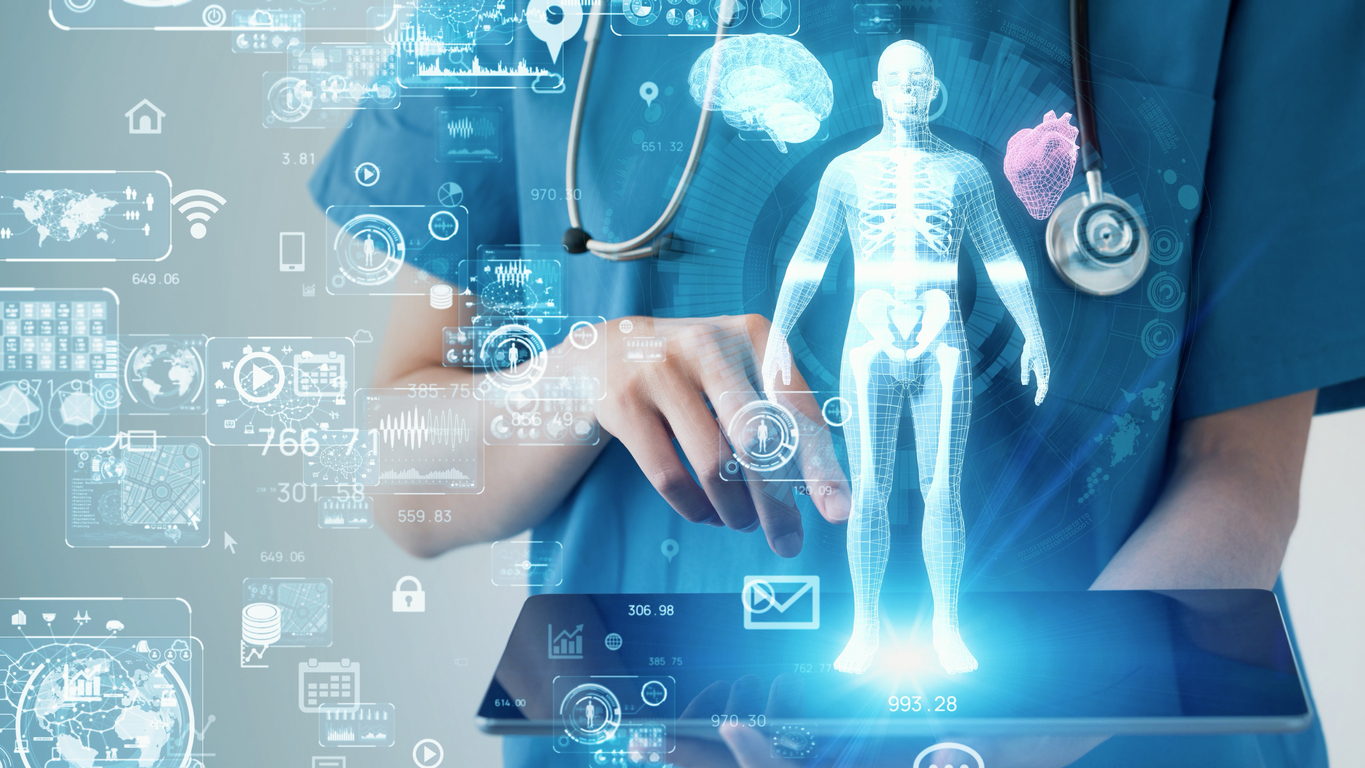
Integrating Advanced Systems into Healthcare
Healthcare is embracing a transformative wave, merging diverse technological innovations to significantly upgrade patient care. These changes leverage interconnected systems to streamline processes, improve outcomes, and make healthcare more patient-centered.
Revolutionizing Diagnosis and Treatment
Advanced analytical systems are changing how medical professionals diagnose and treat diseases. By processing extensive data and recognizing hidden patterns, innovative technologies provide unprecedented support. Especially in medical imaging, artificial intelligence and digital platforms are playing pivotal roles. Specialized algorithms quickly analyze imaging scans to enhance accuracy and speed up the diagnostic process. The fusion of human insight with these digital tools creates a proactive healthcare environment focused on early detection and targeted treatment.
Enhancements in Surgical Practices
Modern technology is transforming surgical environments into highly precise spaces where safety and success rates reach new heights. By using three-dimensional modeling and augmented reality interfaces, these settings offer surgeons unparalleled detail and control. Instrument tracking and real-time feedback systems further improve the accuracy of procedures, facilitating immediate corrections and enhancing patient outcomes.
The focus on innovation also extends to maintaining ethical standards. Dedicated centers ensure technologies are utilized responsibly, with a strong emphasis on safety and transparency, particularly when adopting new tools and techniques in surgery.
Transformative Impact of Digital Health Technologies
Digitalization in healthcare is not only about new tools but the effective integration of these tools into existing systems to uplift the entire care ecosystem. This transformation is built on several critical pillars which incorporate leadership, strategic frameworks, and trust.
Creating a Unified Digital Strategy
The journey to effective implementation is guided by strategic frameworks focusing on automating repetitive tasks, augmenting human capabilities, and analyzing data for meaningful insights. This approach streamlines processes and eases pressure on healthcare workers, allowing them to prioritize patient interactions.
Automation handles tasks like scheduling and data entry, while augmentation strengthens clinical decision-making through enhanced diagnostics and surgical precision. Analysis provides a comprehensive understanding of population health trends, offering insights that improve both care delivery and patient results.
Leadership's Pivotal Role
Leadership in healthcare is crucial for successful innovation adoption. A visionary leadership team drives digital transformation by aligning strategic goals with operations and ensuring team members are engaged. Addressing obstacles like budget limitations and demonstrating the long-term value of tech investments are essential for encouraging organizational buy-in.
By framing technology as a strategic necessity, leaders inspire stakeholders at all levels to embrace new systems actively, resulting in improved care quality and patient safety.
Data Security and Ethics
As healthcare becomes more data-centric, maintaining data security is paramount. Building patients' trust in the digital space involves ensuring that their information is securely managed, with strong governance policies in place. Progressive organizations are implementing comprehensive security protocols alongside ethical guidelines, safeguarding data integrity across medical devices and platforms. This framework ensures that technology supports innovation without compromising ethical standards.
Expanding the Scope of Healthcare Innovations
Today's health technologies extend beyond traditional environments, touching fields from specialized medical care to occupational health and fostering an ecosystem conducive to welfare both inside and outside clinical settings.
Closing Gaps in Specialist Care
Advanced platforms aid in bridging healthcare gaps, especially in regions with limited specialist availability. For instance, through telehealth and AI diagnostics, patients in underserved areas gain access to specialist expertise efficiently, often using telemedicine systems that utilize natural language and powerful inference models. These systems quickly assess patient data to prioritize critical cases, ensuring timely specialist intervention.
The importance of quality data is apparent, emphasizing collaboration and data-sharing initiatives to expand the reach and accuracy of specialist care across various communities.
Occupational Health and Safety
Employing data-driven practices in occupational health is revolutionizing workplace safety and wellness. Intelligent systems analyze ergonomic data and environmental indicators to preemptively highlight potential hazards, fostering proactive health measures. Ethical and transparent use of technology is imperative in maintaining privacy and building trust among employees.
Well-managed digital tools significantly contribute to a safer workplace, enhancing productivity while ensuring employee welfare is prioritized.
Looking Forward: The Future Health Landscape
As the health landscape shifts towards interconnected, patient-centered care, innovative technologies unlock possibilities in monitoring, personalized treatment plans, and home-based patient care.
Empowering Patients through Remote Monitoring
Remote monitoring technologies place individuals at the center of their health journeys, turning personal data into actionable insights. Wearable sensors and interconnected devices capture continuous health metrics, forming comprehensive, real-time health profiles. These profiles empower patients and caregivers to make informed decisions based on up-to-date information, facilitating proactive health management.
The insights provided improve clinical engagements, allowing healthcare professionals to tailor treatments accurately and enhance overall health outcomes, ultimately contributing to a more equitable healthcare system for everyone, regardless of location or financial status.
As emerging technologies continue to redefine how healthcare is delivered, the relationship between patients and providers grows closer, more personal, and profoundly impactful. This transformation demonstrates the immense potential of integrating advanced technologies into healthcare to offer smarter, more effective, and inclusive solutions for all.
Q&A
-
What is the role of telemedicine in modern healthcare?
Telemedicine plays a crucial role in modern healthcare by allowing patients to receive medical consultations remotely via video calls, phone, or online messaging. This is particularly beneficial for individuals in remote or underserved areas who may not have easy access to healthcare facilities. It also offers convenience and reduces the need for travel, making healthcare more accessible and efficient.
-
How do Electronic Health Records (EHRs) enhance patient care?
Electronic Health Records (EHRs) enhance patient care by providing a comprehensive and easily accessible digital record of a patient's medical history. This allows for better coordination among healthcare providers, reduces the risk of medical errors, and facilitates more accurate diagnoses and treatment plans. EHRs also enable patients to be more engaged in their own healthcare by providing them access to their medical information.
-
In what ways are wearable sensors transforming health monitoring?
Wearable sensors are transforming health monitoring by continuously collecting data on vital signs, physical activity, and other health metrics in real-time. This information can be used to track fitness goals, detect early signs of health issues, and manage chronic conditions. Wearable sensors empower patients to take a proactive approach to their health and allow healthcare providers to offer more personalized and timely interventions.
-
How is AI being used in medical diagnostics?
AI is being used in medical diagnostics to analyze complex medical data and identify patterns that may not be evident to human clinicians. AI algorithms can assist in diagnosing diseases such as cancer, diabetes, and cardiovascular conditions by interpreting medical imaging, laboratory results, and patient histories with high accuracy and speed. This leads to earlier detection and more effective treatment plans.
-
What are the benefits of remote monitoring in healthcare?
Remote monitoring offers several benefits in healthcare, including improved management of chronic diseases, reduced hospital admissions, and better patient outcomes. By continuously tracking patients' health data from a distance, healthcare providers can detect changes in a patient's condition early and intervene promptly. This approach enhances the ability to provide personalized care and supports patients in maintaining their health and independence.