Transforming Business Collaboration Through VR
In the modern workplace, where globalization has dispersed teams across various locations, the need for robust collaboration tools is paramount. Virtual reality offers a transformative solution by enabling immersive interactions that transcend traditional communication barriers.
Deepening Connections with Virtual Spaces
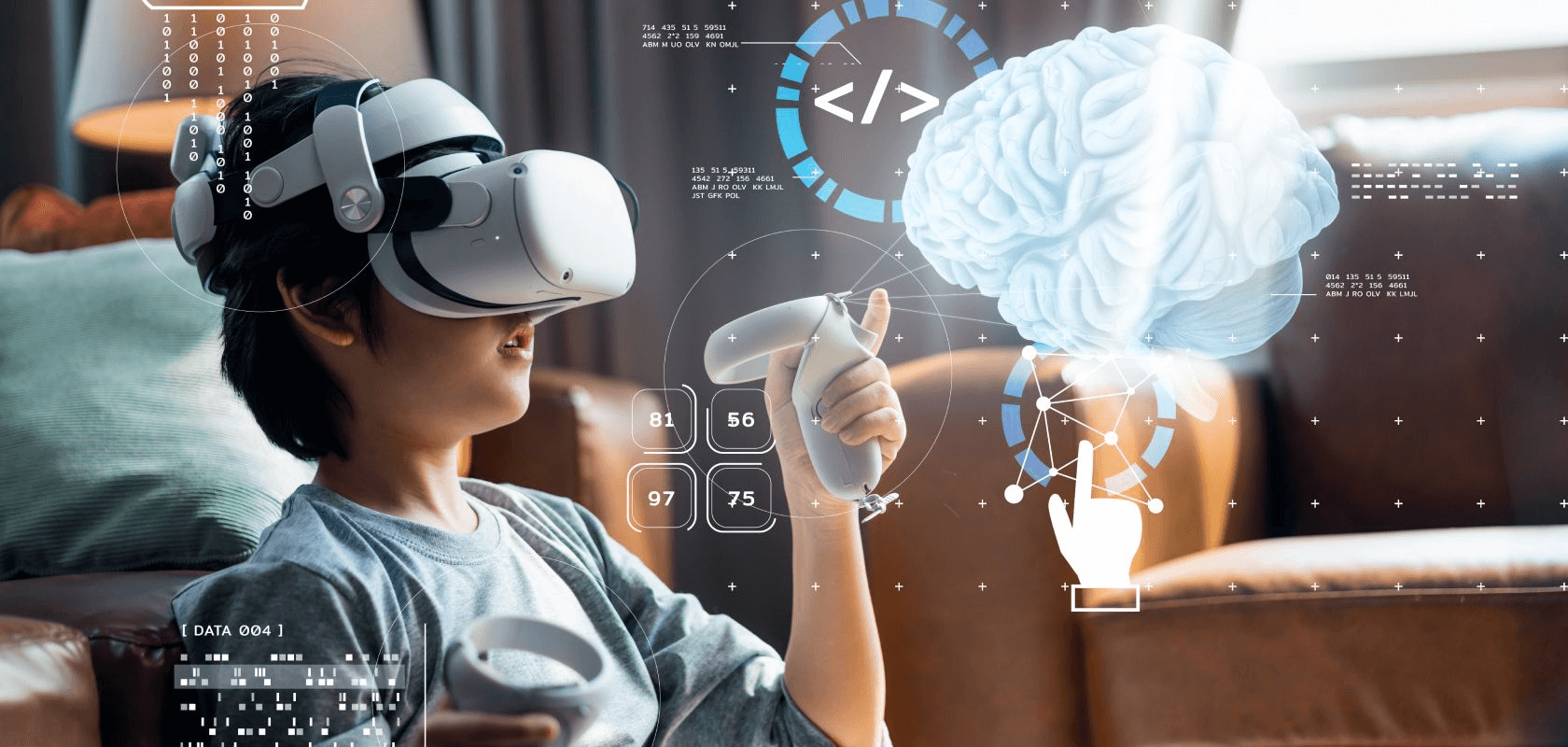
In a virtual environment, employees can don headsets and find themselves in dynamic meeting rooms with colleagues from around the globe. This shift from two-dimensional screens to three-dimensional virtual spaces allows team members to perceive each other’s gestures and engage with digital models as though they were physically present. This high level of interactivity significantly enhances collaboration, enabling teams to brainstorm and co-create more effectively.
By enabling participants to interact with complex datasets, architectural designs, or intricate documents in real-time, VR minimizes the costs and logistical challenges associated with physical meetings. It strengthens team cohesion and fosters a more innovative atmosphere as participants can easily manipulate their virtual surroundings to improve understanding and focus on projects.
Digital Twins Creating Real-World Solutions
The advent of digital twins—virtual replicas of physical entities—has been a particularly revolutionary aspect of VR. These detailed digital models allow businesses to simulate and assess different scenarios without real-world consequences.
For example, engineers can model a manufacturing facility’s entire operation, analyzing different scenarios to optimize efficiency or predict responses to variables like demand surges or equipment failures. This capability to pre-emptively solve potential problems offers significant cost savings and operational efficiency improvements by allowing informed decision-making based on detailed simulations.
Advanced Training and Skill Development
Traditional training methods, while effective, often involve high costs and risks when replicating hazardous or complex scenarios. Virtual reality offers a safe, economical alternative, providing a platform for immersive learning and skill development.
Building Competence in Risk-Free Environments
VR’s immersive simulations offer an unparalleled opportunity for hands-on training in a zero-risk environment. Trainees can repeatedly engage with realistic scenarios that mirror real-life challenges. This approach is particularly beneficial in fields where the stakes are high, such as healthcare, aviation, and emergency response.
In healthcare, for example, medical students can practice surgical procedures endlessly without risking patient safety. Similarly, pilots can refine their handling of emergency protocols in a simulated cockpit without the implications of real-world trial and error. This immersive training ensures that skills learned are both practical and ingrained, greatly enhancing performance and confidence.
Closing Educational Gaps with Interactive Learning
Traditional learning methodologies often rely on passive information absorption, limiting comprehension and retention. VR, however, transforms this experience by requiring active participant engagement. In technical fields, where three-dimensional comprehension is key, VR becomes an invaluable educational tool, offering learners the ability to interact dynamically with complex systems.
This immersive approach is particularly effective in education, enabling learners to visualize and engage with their subject matter directly. By supplementing textbook learning with interactive virtual environments, students develop a profound, intuitive understanding of intricate concepts. This not only boosts knowledge retention but also inspires enthusiasm for continued learning.
Enhancing Customer Experience with VR
VR isn’t limited to internal applications; it holds transformative potential for customer interactions. Companies are leveraging this technology to offer uniquely immersive experiences that set their brands apart.
Elevating Retail and Real Estate Engagements
In retail, virtual showrooms allow customers to interact with products from the comfort of their homes, trying on clothes or examining 3D visualizations. This innovative shopping experience enhances customer satisfaction and reduces the likelihood of returns by providing a realistic preview before purchase.
Similarly, real estate agents use VR to offer immersive property tours, reaching potential buyers globally. This approach saves time, broadens market prospects, and enriches the viewing experience, making the process more efficient and accessible. VR thus redefines customer engagement, fostering deeper connection and loyalty.
Revolutionizing Product Development
The ability to involve customers in the product development process through VR enables businesses to tailor offerings precisely to consumer needs. By inviting feedback and observing user interactions within virtual environments, companies ensure that end products are not only technologically sound but also user-centered and intuitive.
Here is an overview of how VR technology is applied across different industries:
| Application Area | Immersive Experiences | Head-Mounted Displays | Motion Tracking | Haptic Feedback | Content Development | Enterprise Applications |
|---|---|---|---|---|---|---|
| Manufacturing | Virtual assembly line simulations | Oculus Quest Pro, HTC Vive Focus 3 | Inside-out tracking, Leap Motion | HaptX Gloves, Teslasuit | Custom VR training modules | Remote maintenance, digital twins |
| Healthcare | Surgical simulations, patient therapy | Varjo XR-3, Meta Quest 3 | OptiTrack, Vive Trackers | Haptic vests, force feedback controllers | Medical VR scenarios | Remote diagnostics, surgical planning |
| Retail | Virtual showrooms, product visualization | Apple Vision Pro, Pico 4 | Vive Trackers, camera-based systems | Haptic gloves, feedback suits | 3D product modeling | Customer experience, staff training |
| Education | Virtual classrooms, immersive learning | Meta Quest 3, HP Reverb G2 | Vive Trackers, Kinect | Haptic feedback devices | VR curriculum development | Remote learning, skills training |
| Real Estate | Virtual property tours | Oculus Rift S, HTC Vive | Vive Trackers | Haptic controllers | 3D walkthroughs | Remote property sales, design collaboration |
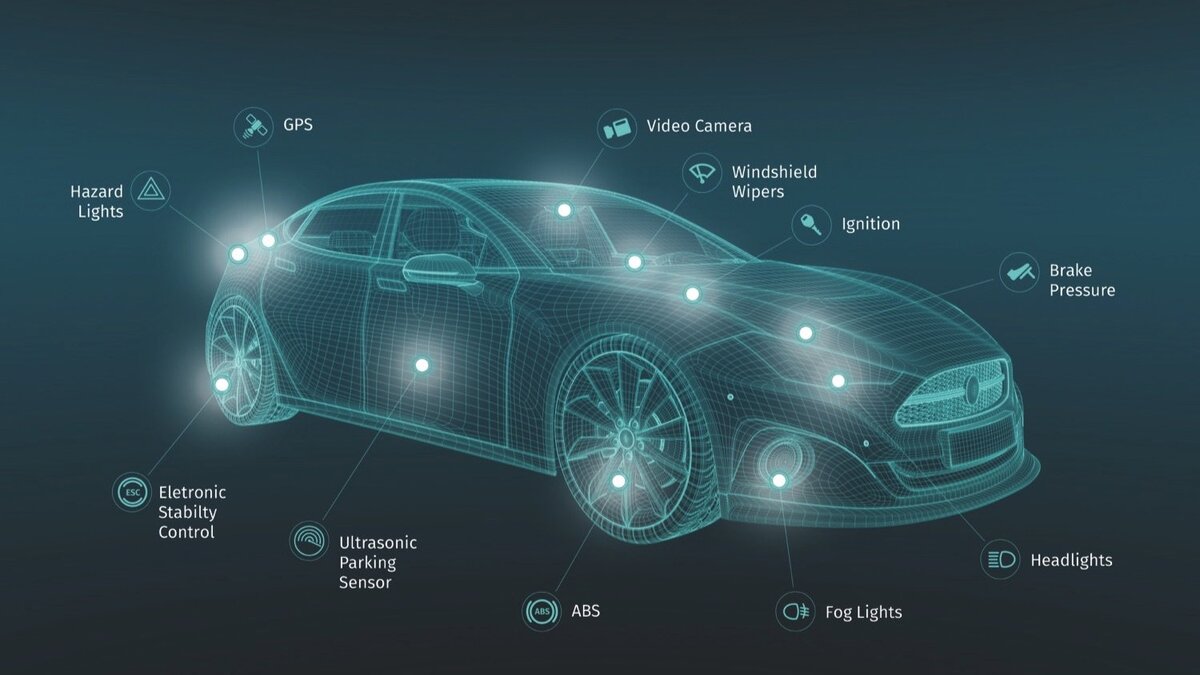
| Automotive | Virtual prototyping, design reviews | Varjo XR-3, Meta Quest 3 | Vive Trackers, OptiTrack | Haptic gloves, force feedback | VR design tools | Remote collaboration, digital twins |
The table illustrates how VR technology is enhancing various sectors by offering tools and solutions tailored to the unique needs of each industry. Immersive experiences powered by state-of-the-art head-mounted displays, sophisticated motion tracking, and haptic feedback devices are pushing the boundaries of what’s possible, facilitating a range of groundbreaking enterprise applications.
The Future of Virtual Reality in Enterprises
As we continue to explore the vast possibilities of virtual reality, it is clear that this technology is not just a passing trend but a fundamental shift in how businesses operate. By expanding immersive experiences into many facets of enterprise function—from product development to customer interaction—VR is fostering innovations that will redefine industry standards.
Beyond improving efficiency and reducing costs, the integration of VR into enterprise strategies presents a new medium for creative problem-solving and innovation. As industries adapt to these changes, virtual reality stands poised at the forefront, propelling businesses into a new era of technological advancement and human potential.
Question and Answer
-
What are head-mounted displays, and how do they enhance immersive experiences in VR applications?
Head-mounted displays (HMDs) are devices worn on the head that have small screens in front of each eye, designed to deliver immersive virtual reality experiences. They are crucial for creating a sense of presence in VR, as they provide users with a stereoscopic 3D view of the virtual environment. This technology tracks head movements, allowing users to look around the virtual world naturally, just as they would in the real world. By closely aligning visual and motion cues, HMDs enhance the realism and engagement of VR applications, making them ideal for enterprise scenarios such as virtual meetings, training simulations, and interactive design reviews. -
How does motion tracking contribute to the effectiveness of VR in enterprise applications?
Motion tracking technology captures the movement of a user's body and translates it into the virtual environment. This feature is essential in enterprise VR applications as it allows for realistic interaction with virtual objects and environments. For example, in a training simulation, motion tracking enables users to perform complex tasks with their hands, such as assembling machinery or conducting a surgical procedure. This capability not only improves the fidelity of the simulation but also helps users develop muscle memory and spatial awareness, leading to better skill retention and application in real-world scenarios. -
What role does haptic feedback play in enhancing VR experiences for enterprise use?
Haptic feedback provides physical sensations to users in response to interactions within the virtual environment, simulating touch and force. In enterprise applications, haptic feedback enhances the realism and effectiveness of VR training and simulations. For instance, in medical training, haptic devices can simulate the resistance and texture of human tissues, allowing trainees to practice surgical techniques with greater accuracy. Similarly, in manufacturing training, haptic feedback can replicate the sensation of operating heavy machinery, helping workers gain hands-on experience in a safe and controlled virtual setting. -
Why is content development crucial for the success of VR in enterprise applications?
Content development is vital for creating engaging and effective VR experiences tailored to specific enterprise needs. It involves designing and developing the virtual environments, scenarios, and interactions that users will engage with. High-quality content ensures that VR applications are not only visually and technically impressive but also relevant and beneficial for the intended use case. Whether it's for training, product design, or remote collaboration, well-developed content maximizes the potential of VR technology to solve real-world business challenges, improve productivity, and foster innovation. -
In what ways are immersive experiences through VR transforming customer interactions and services?
Immersive VR experiences are revolutionizing customer interactions by offering novel ways to engage with products and services. In retail, VR allows customers to virtually try on clothes or view furniture in their homes, enhancing the shopping experience and reducing return rates. In real estate, potential buyers can take immersive virtual tours of properties, gaining a comprehensive understanding without needing a physical visit. By providing customers with interactive and personalized experiences, businesses can build stronger connections, improve satisfaction, and differentiate themselves in competitive markets.