Visualizing the Mind: Transformative Advances in Brain Imaging
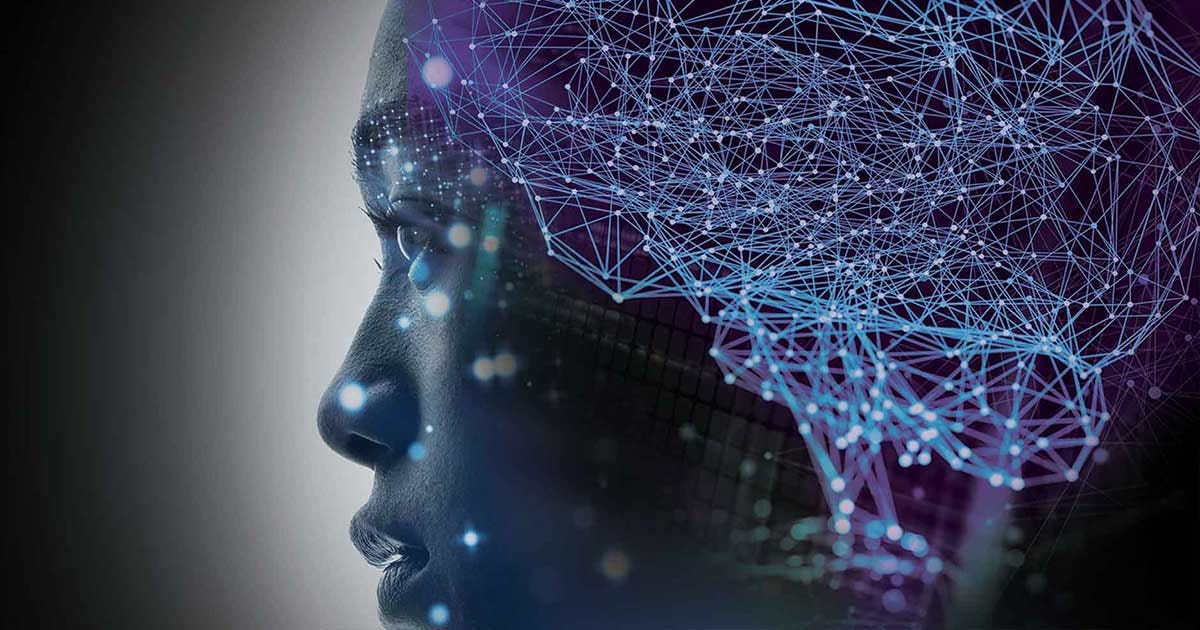
With the advent of advanced brain imaging technologies, we are witnessing a shift in how we perceive the human brain. These tools provide a window into the brain's structure and activity, transforming our theoretical frameworks into observable phenomena.
Functional and Structural Insights
Functional Magnetic Resonance Imaging (fMRI) and Electroencephalography (EEG) are leading the charge in brain imaging. fMRI tracks brain activity by detecting changes in blood flow, allowing researchers to see which areas of the brain "light up" during specific tasks. This method is essential for identifying how different brain regions are activated during various cognitive functions. In contrast, EEG provides insights into the brain's electrical activity, offering a real-time view of how neurons communicate.
Take, for instance, passive listening to music or active problem-solving. fMRI would show increased activity in the auditory cortex or problem-solving regions, respectively, while EEG would offer a timeline of neural engagement. These complementary perspectives paint a more comprehensive picture of how our brain works, moving beyond the static snapshots of the past. Together, these tools allow researchers to map the dynamic processes underpinning cognition, facilitating a deeper understanding of how specific thoughts and actions are generated.
By analyzing these neural oscillations, scientists can link particular brainwave patterns with cognitive states like concentration, relaxation, or even creativity. This understanding is paving the way for cognitive interventions aimed at optimizing mental performance, from improving focus to alleviating anxiety.
The Technological Impact
Advances in imaging have not only enriched our understanding of the brain but have also had profound clinical implications. For cognitive disorders, these technologies enable more precise diagnoses by mapping abnormal neural patterns. As noted in the table below, technologies like fMRI and EEG have revolutionized our ability to visualize brain networks, allowing for improved diagnostics and treatment strategies.
| Technology | Application | Key Findings |
| fMRI, EEG | Brain Imaging, Brain Mapping | Advanced visualization techniques enable real-time mapping of neural networks and improved diagnosis of cognitive disorders. |
Data Source: Frontiers in Neuroscience, March 2025
The impact of these tools extends beyond academic research. They are being used in clinical settings to guide therapies for neurological disorders, enabling treatments tailored to the unique neural architecture of patients. By identifying the specific regions and pathways affected in conditions like depression or epilepsy, clinicians can devise targeted interventions, resulting in more effective outcomes.
Connecting Minds: The Integration of Neuroprosthetics
Neuroprosthetics represent a transformative leap, bridging the gap between the human brain and external devices. This integration not only restores lost functions but also opens new avenues for enhancing human capabilities.
Bridging Gaps with Implants
Neural implants are at the forefront of neuroprosthetic technology, offering a direct interface with the brain. These devices are crucial for restoring sensory and motor functions in individuals with impairments. For instance, cochlear implants bypass damaged auditory pathways to restore hearing, while retinal implants offer rudimentary vision to those with visual impairments.
The latest advancements, as recorded in the table below, highlight the potential of implanted devices in facilitating communication between brain regions and restoring lost functions.
| Technology | Application | Key Findings |
| Neural Implants, Brain-Computer Interfaces | Neuroprosthetics | Implanted devices facilitate communication between brain regions and restore motor or sensory functions in patients. |
Data Source: Frontiers in Neuroscience, March 2025
Beyond restoration, these implants offer promise for cognitive enhancement. Devices are being developed that can improve memory recall and treatment strategies for neurological conditions, like Alzheimer’s disease, enabling patients to regain control over their cognitive functions.
The Mechanics of Integration
The success of neuroprosthetics hinges on understanding the brain's complex language. Neural interfaces decode brain signals, translating them into commands for devices to execute. This process can be as simple as moving a prosthetic limb or as complex as navigating a digital environment.
For instance, Brain-Computer Interfaces (BCIs) are evolving to offer bidirectional communication: reading brain signals to control external devices and sending feedback to enhance neural function. This dynamic interaction fosters a more natural integration of prosthetics, allowing users to perform tasks with increased precision and ease.
Looking forward, advances in neuroprosthetics hold the promise of enhancing cognitive abilities beyond normal baselines. As these technologies mature, they could one day help individuals augment memory, improve focus, or even expand their cognitive capacities.
Real-Time Cognitive Enhancements: EEG Monitoring and Beyond
The realm of real-time cognitive enhancement is challenging the very boundaries of neural capabilities. EEG monitoring is a key player, offering insights that have enabled the development of interventions designed to optimize brain function.
Monitoring and Modulation
EEG monitoring systems capture the brain's electrical signals with precision, providing a continuous readout of neural activity. This detailed feedback allows for real-time modulation of cognitive states, opening new avenues for mental enhancement and therapy.
The application of EEG in cognitive enhancement is highlighted by its ability to decode neural signals for targeted interventions, as shown in the table below:
| Technology | Application | Key Findings |
| EEG Monitoring | Cognitive Enhancement | EEG-based systems decode neural signals for real-time cognitive feedback and targeted interventions. |
Data Source: Frontiers in Neuroscience, March 2025
Using EEG data, individuals can learn to regulate their own brainwaves through neurofeedback, a process wherein real-time feedback is provided to help users train their brains toward desired states. This technique is particularly effective in enhancing attention, reducing stress, and alleviating symptoms of conditions like ADHD or PTSD.
Impact on Personalization and Precision
Personalized cognitive training programs utilize EEG data to tailor interventions to individual neural profiles. By understanding a person's baseline brainwave patterns, interventions can be customized to address specific cognitive weaknesses or enhance strengths.
Moreover, EEG plays a vital role in assessing the efficacy of cognitive therapies by tracking changes in neural patterns over time. This allows for adaptive feedback that continuously optimizes strategy based on the user's progress. The potential of such dynamic, data-driven approaches to improve cognitive function is vast, offering a glimpse into a future where cognitive enhancement is not only possible but also commonplace.
The integration of EEG with other technologies, such as VR and AI, further extends its capabilities, facilitating immersive training environments tailored to individual learning and therapeutic needs. This confluence of technology represents a significant step toward achieving precision in cognitive enhancement.
Enhancing Cognitive Functions: The Role of Neural Implants
The application of neural implants is rapidly expanding beyond sensory restoration, delving into cognitive domains such as memory enhancement and beyond.
From Restoring to Enhancing
Initially developed for sensory and motor restoration, neural implants are now being explored as a means of cognitive enhancement. These devices interact with specific brain regions to potentially improve or restore memory functions in individuals with neurological impairments.
The table below highlights the growing potential of neural implants in memory enhancement:
| Technology | Application | Key Findings |
| Neural Implants | Memory Enhancement, Neuroprosthetics | Implants show promise in enhancing memory recall and treating neurological conditions. |
Data Source: Frontiers in Neuroscience, March 2025
By tapping into the neural networks responsible for memory formation and retrieval, implants could shift the paradigm from restoring impaired functions to enhancing natural ones. This opens exciting possibilities for individuals seeking to boost their memory capabilities or combat cognitive decline.
The Scientific Frontier
Research in this arena focuses on understanding the specific neural circuits involved in memory processes. By identifying and interacting with these circuits, implants can modulate brain activity to enhance learning and retention capability.
These advancements hold immense potential for treating cognitive disorders characterized by memory impairment, such as dementia and Alzheimer's. By enhancing the brain's natural capacity to store and recall information, neural implants could significantly improve quality of life for many individuals.
The pathway to developing effective memory-enhancing implants requires an in-depth understanding of neurophysiology and the careful application of nanotechnology and bioengineering. As we continue to decode the brain's complex mechanisms, such technologies inch closer to becoming a reality.
A New Era in Brain Mapping and Neuroprosthetics
Brain mapping technologies have significantly advanced our understanding of the cerebral cortex and subcortical structures, setting the stage for unprecedented developments in neuroprosthetics.
Mapping the Neural Landscape
Advanced brain mapping provides detailed insights into neural connectivity and functionality. Technologies such as Diffusion Tensor Imaging (DTI) reveal the intricate wiring of the brain, enabling the visualization of neural highways responsible for cognitive processing.
Brain mapping enriches our understanding of how the brain integrates information, allowing for precise interventions targeting dysfunctional networks. This precise mapping serves as a foundation for developing neuroprosthetics tailored to interact seamlessly with neural pathways.
Redefining Neuroprosthetic Applications
Insights gained from brain mapping have led to significant progress in neuroprosthetic development. These advanced devices now utilize detailed knowledge of brain structure to achieve more natural integration with neural processes.
The combination of precise brain mapping and advanced neuroprosthetics paves the way for a future where brain-machine interfaces not only restore lost functions but also offer enhancements that were once deemed the realm of science fiction.
By integrating these cutting-edge technologies, we stand on the brink of unlocking the brain's full potential, transforming our understanding of cognitive processes, and opening new horizons in human capability and experience.
Q&A
-
What are the primary applications of brain imaging in neuroscience?
Brain imaging is primarily used to observe the structure and function of the brain in both healthy and diseased states. It enables researchers and clinicians to study brain anatomy, monitor disease progression, and evaluate the effects of interventions. Techniques like MRI and fMRI are widely used for visualizing brain structures and functional activity, respectively.
-
How does EEG monitoring contribute to the understanding of brain activity?
EEG (Electroencephalography) monitoring is crucial for recording electrical activity in the brain. It helps in diagnosing conditions like epilepsy, sleep disorders, and brain death. EEG is also used in research settings to study brain waves associated with different mental states, such as alertness, relaxation, and sleep.
-
What are neural implants, and how do they enhance memory?
Neural implants are devices placed in the brain to stimulate or record neural activity. They are used in memory enhancement by interfacing with brain regions involved in memory processing, potentially improving cognitive functions in individuals with memory impairments. Research is ongoing to develop implants that can effectively boost memory retention and recall.
-
What role do neuroprosthetics play in restoring lost functions?
Neuroprosthetics are devices that replace or enhance the function of a damaged nervous system or sensory organ. They are commonly used to restore movement in individuals with paralysis or limb loss by interfacing with the nervous system to control artificial limbs or assistive devices, effectively translating neural signals into movement.
-
How is brain mapping advancing our understanding of neural pathways?
Brain mapping involves creating detailed maps of brain structures and their functions. This process advances our understanding by identifying specific neural pathways and their roles in behavior and cognition. Techniques like diffusion tensor imaging (DTI) help visualize the connectivity of brain networks, aiding in the study of neurological disorders and the development of targeted therapies.