What Makes Blockchain a Game Changer?
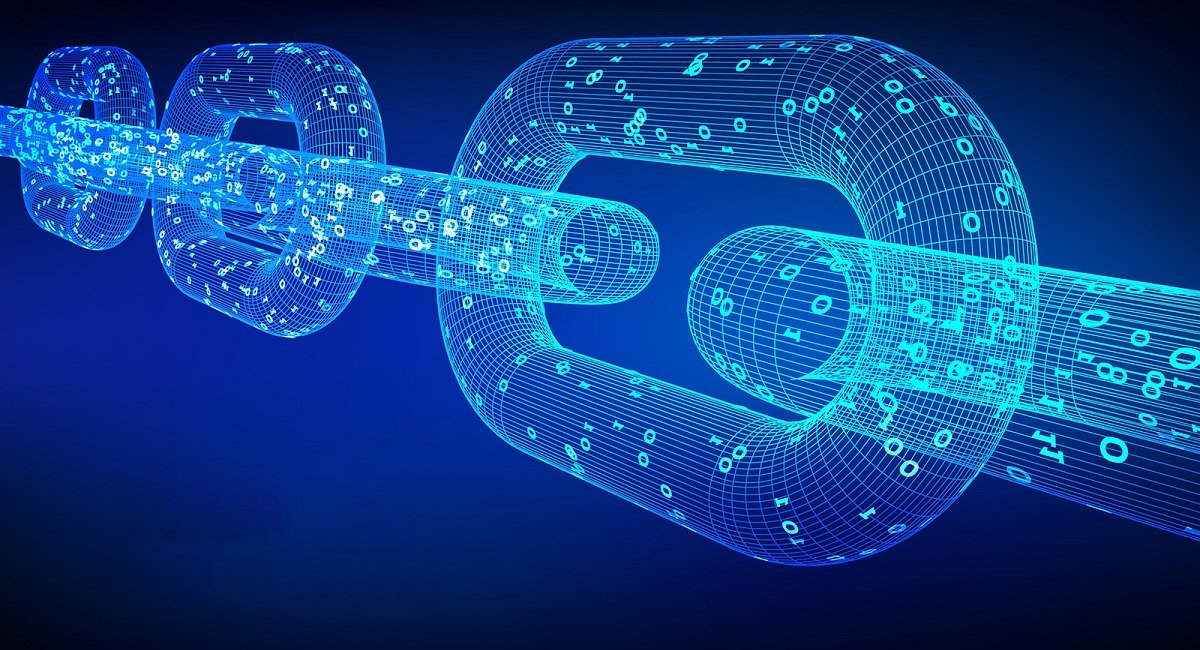
Blockchain technology is fundamentally altering our perceptions of trust and value across digital domains. It’s a blend of several ingenious elements that together, create a robust roadmap for future innovations.
Redefining Finance and Ownership
Traditional finance models have long depended on intermediaries, which blockchain technology is rapidly changing. It introduces decentralized finance, a more transparent and accessible global financial system. This movement enables people everywhere to participate without relying on centralized control.
A central feature of this shift is tokenization. This process transforms tangible assets like company shares or property into secure digital tokens. Such tokens are easier to manage, trade, and divide, thus expanding opportunities for investment and ownership. The demand for quick and affordable transactions has given rise to Layer-2 solutions, which expedite processes akin to express lanes complementing the main blockchain routes. These advancements in speed and cost efficiency are crucial for broad adoption.
Building a More Sustainable Digital World
Concerns about blockchain's environmental impact have been significant, particularly due to the enormous computing power once required. The evolution of blockchain has led to more sustainable solutions like proof-of-stake, an energy-efficient protocol. Unlike its predecessor that relied on intense computation, this system selects participants to validate transactions based on their stake, reducing energy consumption significantly.
Some networks are taking proactive steps to become carbon-negative by investing in projects that counterbalance their carbon footprints. This commitment to sustainability is driving a new wave of environmentally responsible digital finance development.
The New Frontier of Entertainment
The entertainment industry, especially gaming, is undergoing a transformation powered by blockchain. In the past, in-game purchases like rare costumes or powerful weapons were not truly owned by players. With blockchain, players have genuine ownership of their digital items through unique non-fungible tokens (NFTs).
These tokens reside in players' digital wallets, enabling free trading, selling, or using across different platforms. This creates dynamic player-driven economies where effort and skill can directly translate into value, merging entertainment with entrepreneurship and providing new forms of engagement and income sources.
Unveiling Decentralization: Contracts and Cryptos
Blockchain's decentralized design proposes one of the most significant shifts in modern technology—liberating digital transactions from the confines of traditional systems to a network of collective user control.
Decentralization: The Catalyst for Financial Transformation
Decentralization is reshaping financial autonomy and creating a new lens for financial processes. In contrast to storing assets in traditional banking systems that impose regulations, decentralization gives users personal safes for their digital assets, offering complete control.
This is especially appealing in areas with diminished trust in conventional systems or unstable economic conditions. By facilitating direct peer transactions, decentralization provides a resilient alternative framework. It serves as a crucial anchor for individuals seeking personal oversight and resistance to systemic failures, allowing communities access to open financial tools.
The spectrum of practical use cases for this technology has widened remarkably, primarily led by decentralized finance or DeFi. Beyond mere digital currencies, DeFi revolutionizes familiar financial services by creating an open, shared ledger environment that operates independently of traditional protocols, often resulting in quicker and cost-effective operations.
For example, businesses are employing these technologies for rapid, secure cross-border transactions instead of relying on slower conventional methods. The healthcare sector is also exploring these systems for secure and patient-centered medical record management, paving the way for improved privacy and operational efficacy.
Smart Contracts: The Engine of Innovation
Smart contracts automate and simplify complex processes that would otherwise require human oversight. Coined through a simple vending machine analogy, these programmable contracts execute terms automatically when conditions are met, fostering a seamless transaction experience.
In practice, these contracts might release payment upon the successful delivery of goods or manage group voting rights transparently. Their programmability is essential in creating diverse digital assets or tokens, which represent a spectrum of value from ownership in startups to concert tickets.
As blockchain technology matures, the digital asset market is merging increasingly with traditional finance. This intersection signifies broader acceptance, as digital assets become integral components of diversified investment portfolios. This synergy introduces both opportunities and challenges, requiring new analytical tools for risk management and strategic exploration in a connected economic landscape.
Blockchain and Healthcare: A Revolutionary Synergy
Blockchain's applications extend beyond financial sectors, offering transformative potential in healthcare by fostering transparency and security in managing sensitive health information.
You Are the Gatekeeper of Your Health Story
Blockchain can unify fragmented medical records into a secure, personalized repository where individuals control access to their data. This shifts responsibility from medical institutions to patients, enhancing privacy and empowering parties to manage their personal health narratives.
A Fortress for Sensitive Information
The blockchain's decentralized, encrypted architecture equips it to guard against unauthorized access robustly. By creating a network of interconnected records that require consensus for any changes, the technology provides unparalleled security, mitigating risks of data breaches prevalent in traditional central storage methods.
Connecting the Dots for a Healthier Future
Beyond individual data management, blockchain has implications for supply chain transparency. It ensures authenticity and integrity at each stage for medicines and medical equipment, tackling counterfeiting and enhancing reliability. Additionally, it seamlessly integrates health-monitoring devices into coherent digital ecosystems, facilitating accurate and secure data sharing without central points of vulnerability.
Question and Answer
-
What is a distributed ledger and how does it differ from a traditional database?
A distributed ledger is a type of database that is consensually shared and synchronized across multiple sites, institutions, or geographies. Unlike traditional databases that are centralized, distributed ledgers do not have a central administrator. This decentralization allows for greater security and transparency, as changes to the ledger require consensus from all participants in the network. This technology underpins blockchain systems, providing a secure way to record transactions and other data that cannot be altered retroactively.
-
How do smart contracts improve the efficiency of transactions?
Smart contracts are self-executing contracts with the terms of the agreement directly written into lines of code. They automatically execute actions like payments or service delivery when predetermined conditions are met, without the need for intermediaries. This reduces the time and costs associated with traditional contract enforcement. Additionally, smart contracts increase transparency and trust among parties by ensuring that transactions are traceable and irreversible once executed.
-
What are decentralized applications (dApps) and what are their benefits?
Decentralized applications, or dApps, are applications that run on a blockchain network rather than a single computer. They are designed to be open-source, decentralized, and incentivized by tokens. The benefits of dApps include increased security due to their decentralized nature, resistance to censorship, and the ability for users to have more control over their personal data. They also often provide more equitable economic models by distributing value directly to users and developers.
-
What role do consensus mechanisms play in blockchain networks?
Consensus mechanisms are protocols that ensure all participants in a blockchain network agree on the validity of transactions and the state of the ledger. They are crucial for maintaining the integrity and security of the blockchain. Common consensus mechanisms include Proof of Work (PoW) and Proof of Stake (PoS). PoW requires solving complex mathematical problems, while PoS relies on validators holding and staking their tokens. These mechanisms prevent fraudulent activities and double-spending, ensuring that the blockchain remains trustworthy.
-
What is tokenization and how is it transforming asset ownership?
Tokenization is the process of converting rights to an asset into a digital token on a blockchain. This allows assets like real estate, stocks, or even art to be divided into smaller, more accessible units. Tokenization enhances liquidity by making it easier to buy, sell, and trade portions of assets. It democratizes investment opportunities, allowing more people to participate in markets that were previously restricted to larger investors. This shift is transforming how ownership is perceived and managed in various industries.